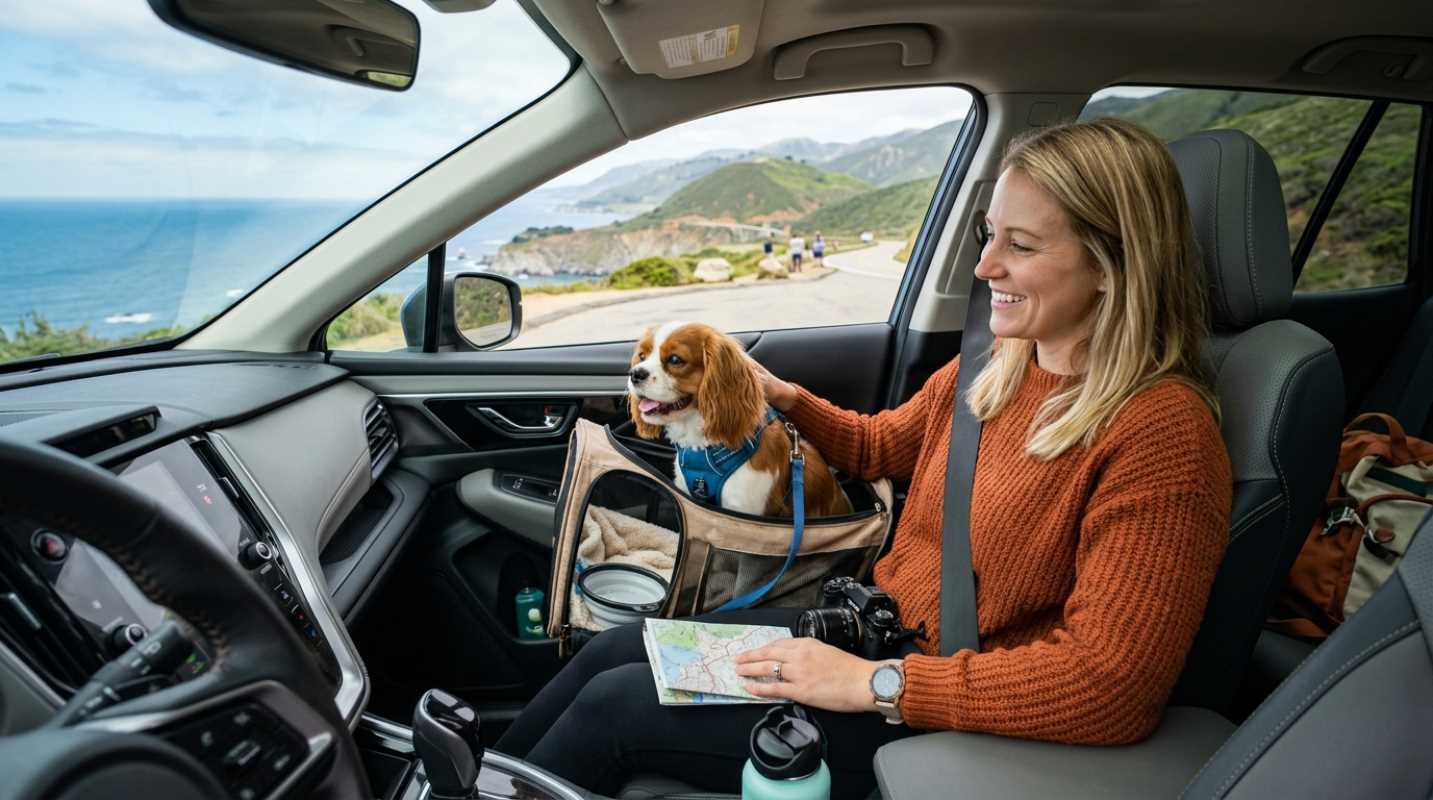
Have you ever packed your bags for a vacation, looked down at your dog's tail wagging, and felt a pang of guilt? You aren't alone. Between 70% and 78% of U.S. pet owners choose to travel with their furry family members each year.¹ Bringing your dog or cat along turns a standard trip into a shared adventure, but it also adds a whole new layer of planning.
Taking a pet on the road requires more than just tossing a leash and a bag of food into the backseat. Whether you're heading across state lines or boarding a cross-country flight, smooth travel comes down to preparation. When you know what to expect, you can keep your trip fun and avoid unexpected vet visits or airline headaches.
Navigating Pet Travel Documentation Requirements
Before you buy a carrier or map out your rest stops, you need to handle the paperwork. Rules around pet travel have tightened significantly in recent years.
If you're flying or crossing state lines, most states and airlines require a Certificate of Veterinary Inspection. A USDA-accredited veterinarian must sign this health certificate within 10 days of air travel, or within 30 days if you're driving.
Planning to return to or enter the U.S. with a dog? The U.S. Centers for Disease Control and Prevention established strict entry requirements.² Every dog entering the country must meet these basic standards
• Minimum age: Your dog must be at least six months old at the time of entry.
• Microchip requirement: They must have an ISO-compliant microchip implanted before receiving their qualifying rabies vaccine.
• Online paperwork: You must complete the online CDC Dog Import Form and carry the email receipt with you.
• Health checks: The animal must appear healthy upon arrival.
If you're traveling internationally, start the process early. Obtaining destination-specific health forms and government endorsements often takes anywhere from 30 to 60 days.
Mastering the Journey Tips for Flying or Driving with Pets
About 64% of pet travelers prefer road trips, while 33% take to the skies.³ Both options come with distinct challenges.
Driving Safety and Comfort
An unrestrained pet in a vehicle is a major danger to both you and the animal. Never let your dog ride loose in a truck bed or sit in your lap while driving.
• Restraints: Secure your dog with a crash-tested harness or keep your cat inside a carrier anchored by a seatbelt in the back seat.
• Temperature warnings: Never leave a pet unattended in a parked vehicle. A car's interior temperature can jump 20 degrees Fahrenheit in just 10 minutes, even with the windows cracked.
• Frequent stops: Plan for breaks every two to three hours so your dog can stretch, hydrate, and relieve themselves.
Air Travel Realities
If you're taking to the air, keep in mind that almost all major airlines have eliminated standard checked cargo options for pets, reserving hold space almost exclusively for active-duty military. Unless you have a fully trained service animal, your pet will fly in the cabin under the seat in front of you. Department of Transportation guidelines treat emotional support animals as standard pets, meaning standard pet fees apply.
Prices for in-cabin pets typically range from $99 on Frontier to $150 each way on carriers like Delta, United, and American. Space is strictly limited per flight, so book your pet's spot as soon as you buy your ticket.
Managing Travel Anxiety
What about anxiety during transit? The American Veterinary Medical Association strongly warns against heavily sedating pets for flights. Sedatives lower blood pressure and hinder an animal's ability to balance or regulate body temperature at high altitudes. If your pet gets severe motion sickness or panic, speak with your vet about anti-anxiety options like Trazodone or Gabapentin. Test these medications at home well before your trip to watch for unusual reactions. Calming pheromone sprays can also help soothe nerves naturally.
Choosing Pet-Friendly Accommodations That Actually Welcome Your Pet
Finding a place to stay that truly welcomes pets requires looking beyond a simple pet-friendly badge on a booking site. Many hotels advertise themselves as pet-friendly, yet hide strict weight limits or steep non-refundable nightly fees in their fine print.
When comparing hotels and vacation rentals, call the front desk directly to double-check their rules. Ask about maximum pet counts, weight limits, and whether pets can stay unattended in the room inside a crate.
Packing Your Pet Travel Suitcase
Packing for your pet takes the same attention to detail as packing for yourself. Keeping their daily routine consistent on the road keeps their stomach happy and lowers stress.
Here is what you should pack in your pet's travel bag
• Updated identification: Collar tags with your current mobile phone number and destination address, plus updated microchip records.
• Health paperwork: Physical and digital copies of health certificates, rabies records, and necessary import forms.
• Food and water: Enough regular food for the whole trip plus two extra days, alongside collapsible travel bowls and bottled water to avoid sudden stomach upset.
• Comfort items: A favorite blanket, familiar bedding, and toys that carry the scent of home.
• Health and hygiene supplies: Prescribed medications, a pet first-aid kit, waste bags, or a portable litter box for cats.
• A clear photo: Save a recent picture of your pet on your phone in case you get separated.
Making Memories Together on the Road
Once you reach your destination, give your pet time to explore and decompress. Set up their bed, water bowl, and toys in a quiet corner of your room right away so they feel secure in the new environment.
Travel rarely goes exactly as planned, and that's completely normal. Expect a few minor detours or small disruptions to your schedule. Stay flexible, keep your pet's safety front and center, and enjoy exploring new sights with your best friend.
Sources:
1. Pet Travel Trends Jan 2025 - GlobalVetLink
https://www.globalvetlink.com/blog/pet-travel-trends-jan-2025
2. CDC Dog Importation Regulations - CDC
https://www.cdc.gov/media/releases/2024/s0508-Dog-Importation-Regulation.html
3. Pet Travel Statistics - Condor Ferries
https://www.condorferries.co.uk/pet-travel-statistics
*This article on modernlifestyle is for informational and educational purposes only. Readers are encouraged to consult qualified professionals and verify details with official sources before making decisions. This content does not constitute professional advice.*