Have you ever thought about waking up in a brand new country every morning without having to pack your bags over and over again? That is the magic of cruising. Over 34 million people stepped onto a cruise ship recently, and almost a third of them were first-time travelers.¹
If you think cruising is just for retirees or endless shuffleboard games, think again. The average cruiser today is under 47 years old, and ships have evolved into massive floating resort towns. But stepping onto a vessel for the first time without a plan can feel a lot of. Here is everything you need to know to pull off your first voyage like a seasoned pro.
Setting Sail - Choosing Your First Cruise Line and Itinerary
Picking your first cruise is a lot like choosing a hotel neighborhood on vacation. Pick the wrong vibe, and your entire trip feels off key. Are you looking for high-energy waterparks and Broadway-style shows? Brands like Royal Caribbean, Carnival, and Disney hit the mark for families and thrill-seekers.
If you prefer a quieter scene with elevated dining, Virgin Voyages offers strictly 18-plus sailing with zero buffets, while Celebrity Cruises targets an upscale casual crowd.
Next, look at the trip duration and destination. First-timers often fall into two traps: booking a trip that is too short to settle in, or committing to a two-week transatlantic crossing right away. A three to five-night trip to the Bahamas gives you a quick test drive. But a seven-night itinerary is the true sweet spot for balancing onboard fun and shore exploration.
You also need to think about how you want to spend your days
• Port-Heavy Itineraries: Ideal for history lovers and active explorers visiting spots like the Mediterranean or Alaska. You dock somewhere new nearly every day.
• Sea-Heavy and Private Island Routes: Perfect for pure relaxation. Ships spend dedicated days floating on open waters and stopping at private resort islands like Royal Caribbean's Perfect Day at CocoCay.
The Packing Playbook - What to Pack for a Cruise
Packing for sea travel has its own unique set of rules. The biggest mistake rookies make? Putting everything into checked bags and handing them over at the cruise terminal. It can take up to eight hours for your luggage to arrive outside your stateroom door.
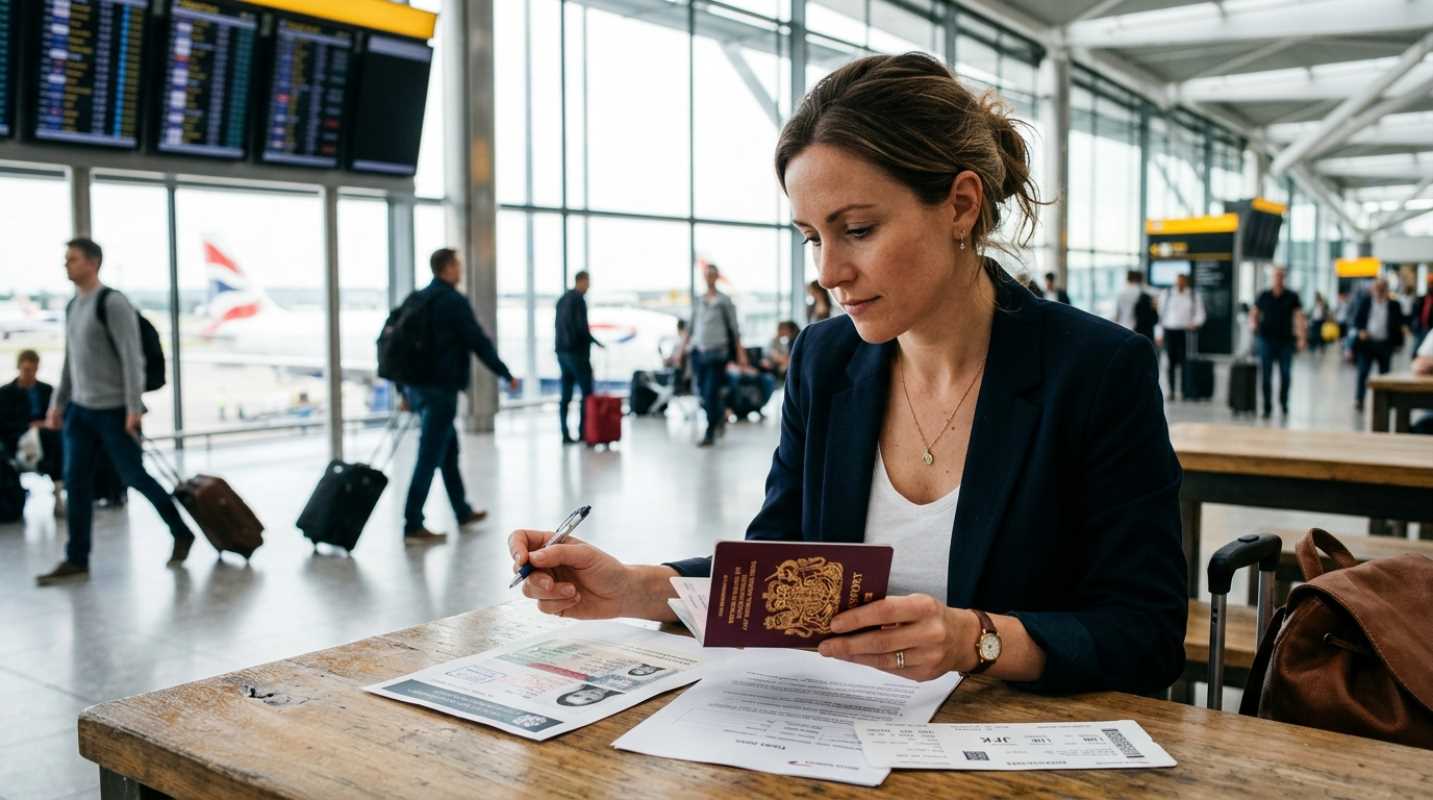
Always carry a Day 1 bag with you onto the ship. Keep your passport, medication, a swimsuit, flip-flops, sunscreen, phone charger, and a fresh outfit for dinner right at hand. That way, you can hit the pool deck immediately while everyone else waits around for their baggage.
Cabins are tight spaces, but a few clever accessories will double your roominess
• Magnetic Hooks: Cruise cabin walls are actually made of steel. Heavy-duty magnets create instant wall storage for hats, lanyards, and wet swimsuits.
• Non-Surge Power Expander: Outlets are limited in staterooms. Surge protectors are strictly banned as fire hazards and will get confiscated, so bring a basic, non-surge multi-USB charging block.
• Motion-Sensor Nightlight: Inside cabins get completely pitch black at night. A tiny battery-operated light keeps you from stubbing your toe on the way to the bathroom.
• Wrinkle Release Spray: Clothes irons and travel steamers are a fire risk. Spray down your clothes or hang them in a steamy shower to knock out packing creases.
• Seasickness Remedies: Motion medicine like Bonine, ginger chews, or wrist bands are simple insurance policies to keep in your pouch.
Navigating Life at Sea - Onboard Etiquette and Tipping
Money works a little differently at sea. Most cruise lines automatically charge a daily per-person service fee to your onboard account to take care of stateroom attendants and dining staff. Like, Royal Caribbean charges around $18.50 per day for standard rooms, while Norwegian Cruise Line sits at around $20.00 per day.² Virgin Voyages takes a different route by wrapping all gratuities directly into your base fare.
Expect an automatic 18% to 20% surcharge tacked onto individual bar orders, spa treatments, and specialty restaurants. Although pre-paying your daily gratuities before leaving home locks in current rates, tipping $2 to $5 per bag to the port baggage handlers when you drop off your luggage is standard cash practice.
As for onboard etiquette, simple consideration goes a long way
• Pool Deck Rules: Claiming five lounge chairs with towels at 7:00 AM and disappearing for three hours is a quick way to annoy your fellow cruisers.
• Buffet Lines: Follow the natural line and wash your hands at the washing stations before picking up tongs.
• Respecting Crew Boundaries: Ship staff work long hours to keep you safe and comfortable. Be polite, follow safety instructions, and respect restricted crew-only doors.
Getting the most from Your Budget and Experience
That advertised baseline ticket price looks irresistible, doesn't it? Just keep in mind that base fares rarely cover the whole experience. You should budget an extra 30% to 50% over your ticket price to cover expenses like Wi-Fi (often $18 to $25 daily), beverage packages ($60 to $100 per day), daily gratuities, and specialty dining.
For shore excursions, you have options. Booking tours directly through the cruise line costs a bit more, but it comes with a safety net: if the tour runs late, the ship waits for you. Third-party excursion operators often run smaller groups for less money, but you must build in a two-hour buffer to make sure you get back well before all-aboard time.
Your phone will be your ultimate navigation tool. Download the cruise line app weeks before departure to complete your check-in, pick your embarkation time slot, browse daily schedules, and book specialty dining or show tickets.
Final Tips for a Smooth Embarkation and Disembarkation
Here is the golden rule of cruise travel: fly into your departure city at least one day early. Flight delays and traffic hiccups happen constantly, and cruise ships will not delay their launch for a delayed flight. Booking a hotel near the port the night before turns embarkation morning into a stress-free stroll instead of an anxious sprint to the pier.
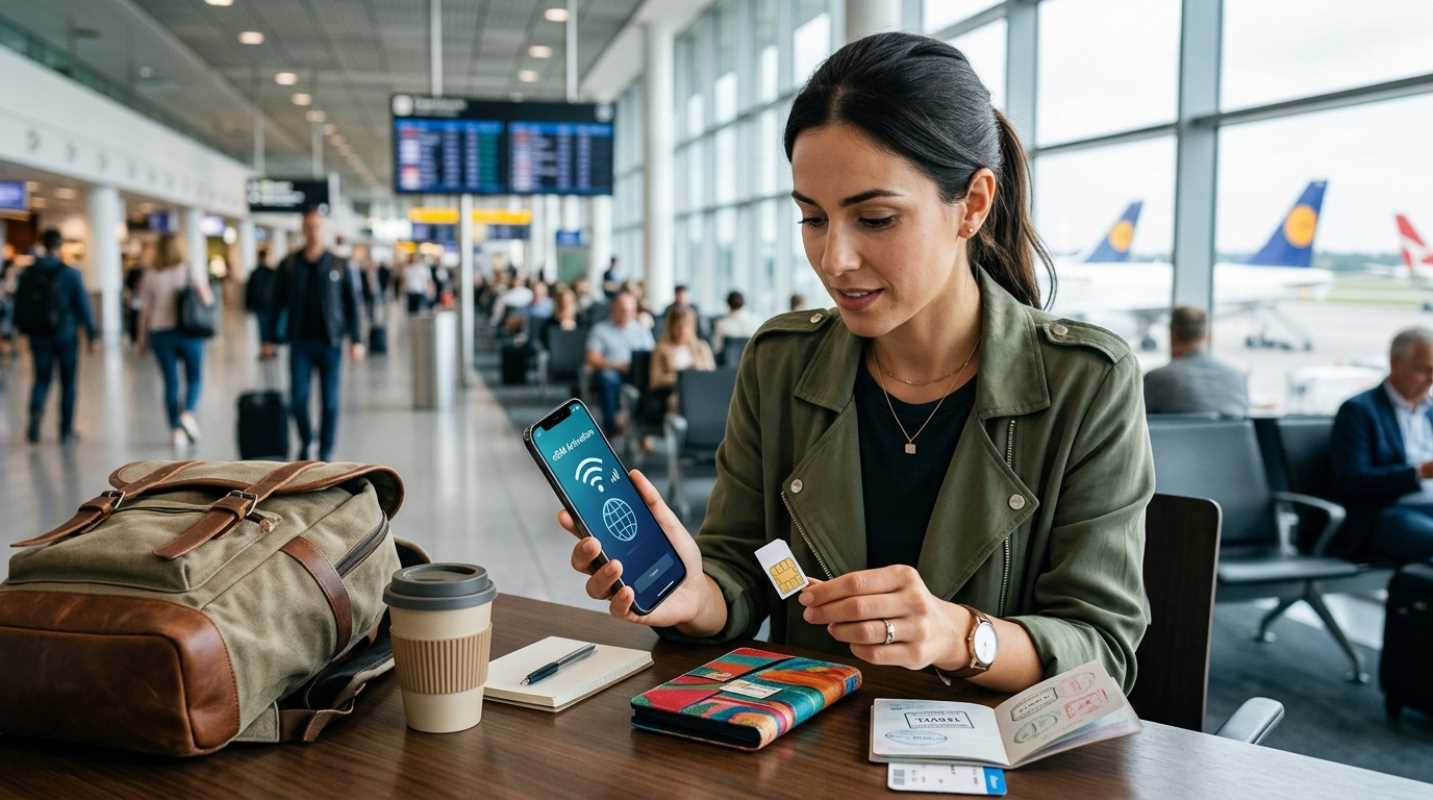
The second you step on board, and the ship pulls away from the pier, flip your phone straight into Airplane Mode. At-sea cellular data carries absurdly high maritime roaming rates that can ruin your trip with a massive bill later. Rely strictly on onboard Wi-Fi packages once you sail out.
On your final night, you will set your packed main luggage outside your cabin door for collection. Keep a small carry-on out with your nightwear, shoes, needed toiletries, and key travel documents for the morning walk off the ship. Follow your assigned disembarkation slot, clear customs with ease, and start planning your next sailing. Most people do!³
Sources:
1. travelmarketreport.com
https://www.travelmarketreport.com/cruises/articles/nothing-but-clear-skies-for-the-cruise-industry
2. eatsleepcruise.com
https://eatsleepcruise.com/cruise-gratuities-explained/
3. cruisefever.net
https://cruisefever.net/cruise-line-raising-gratuities-almost-9-effective-immediately/