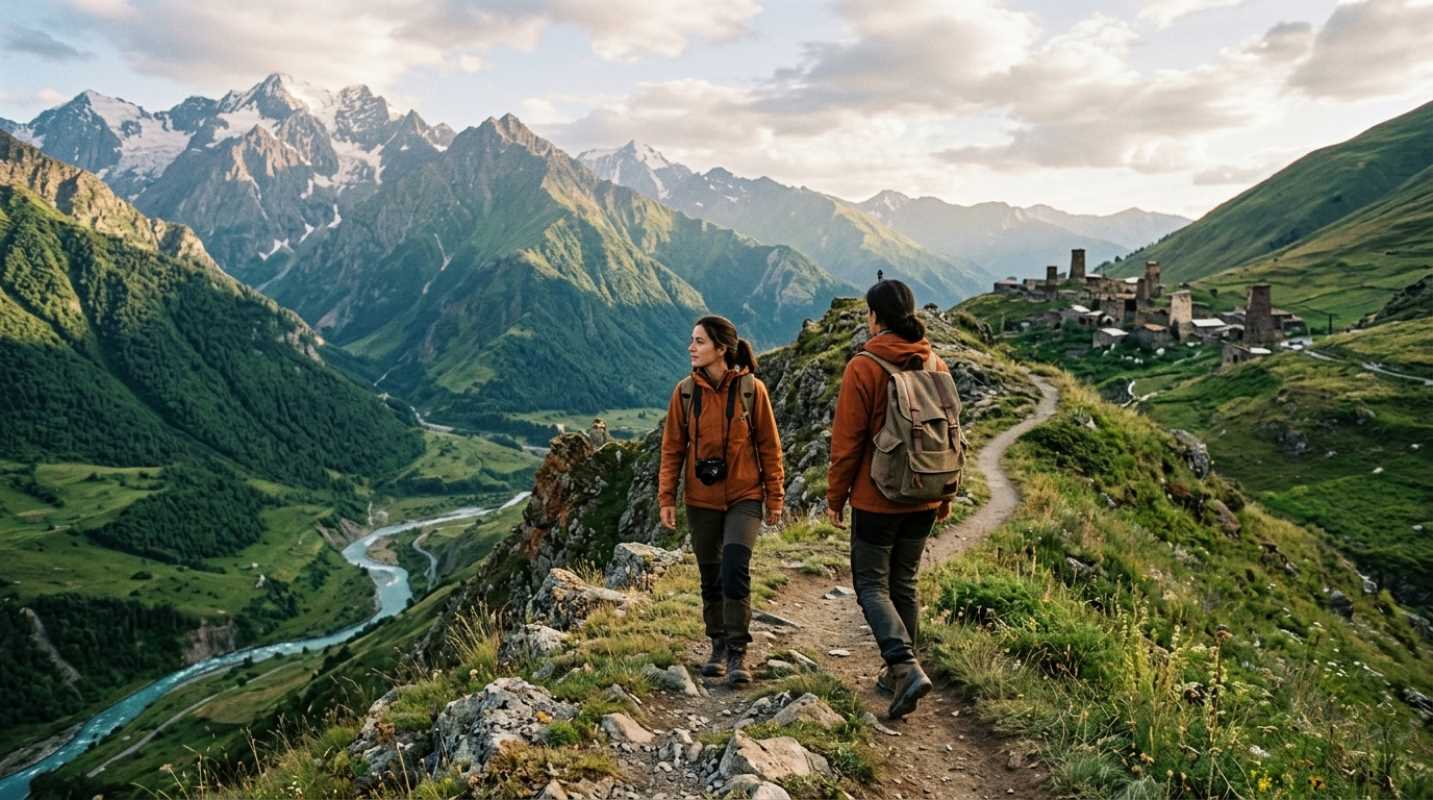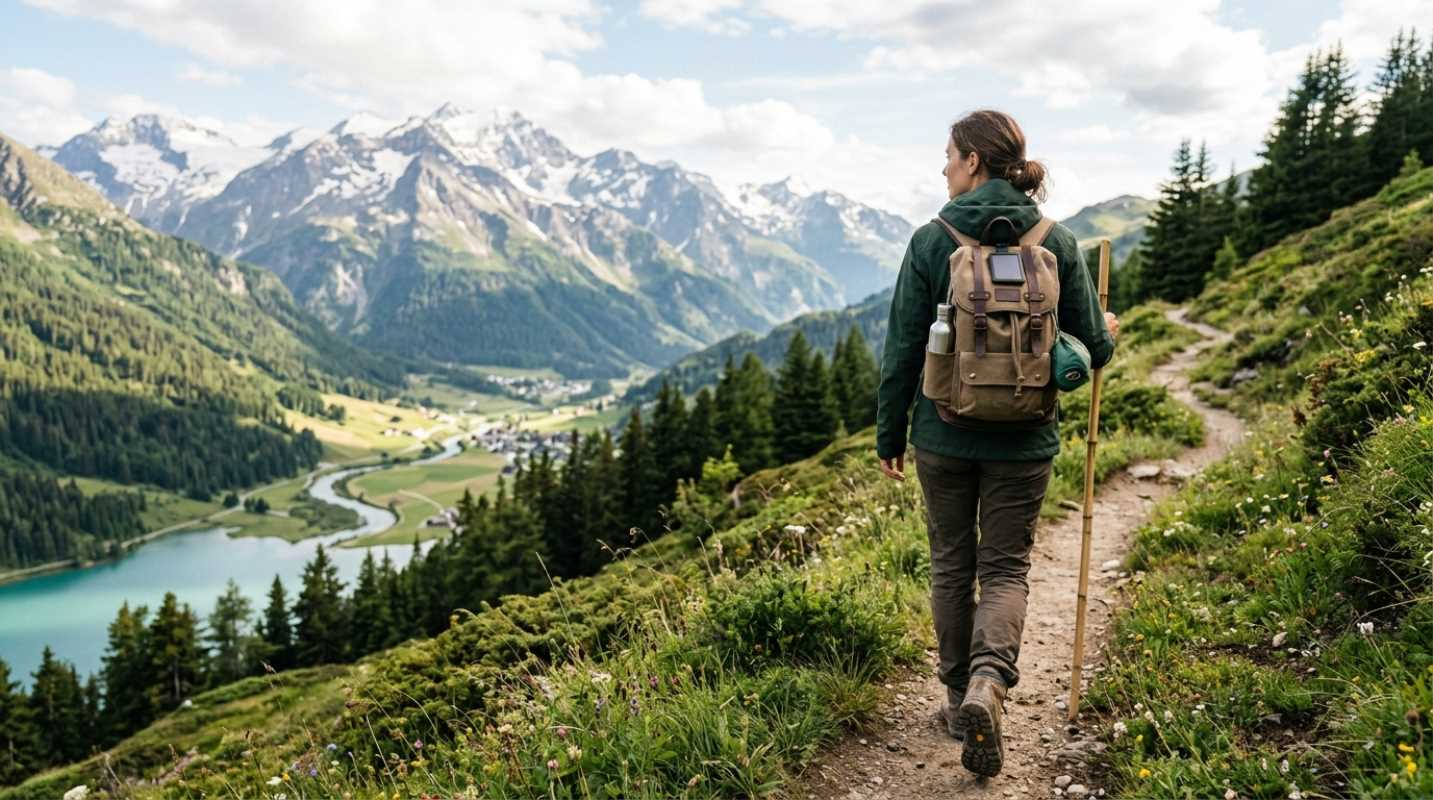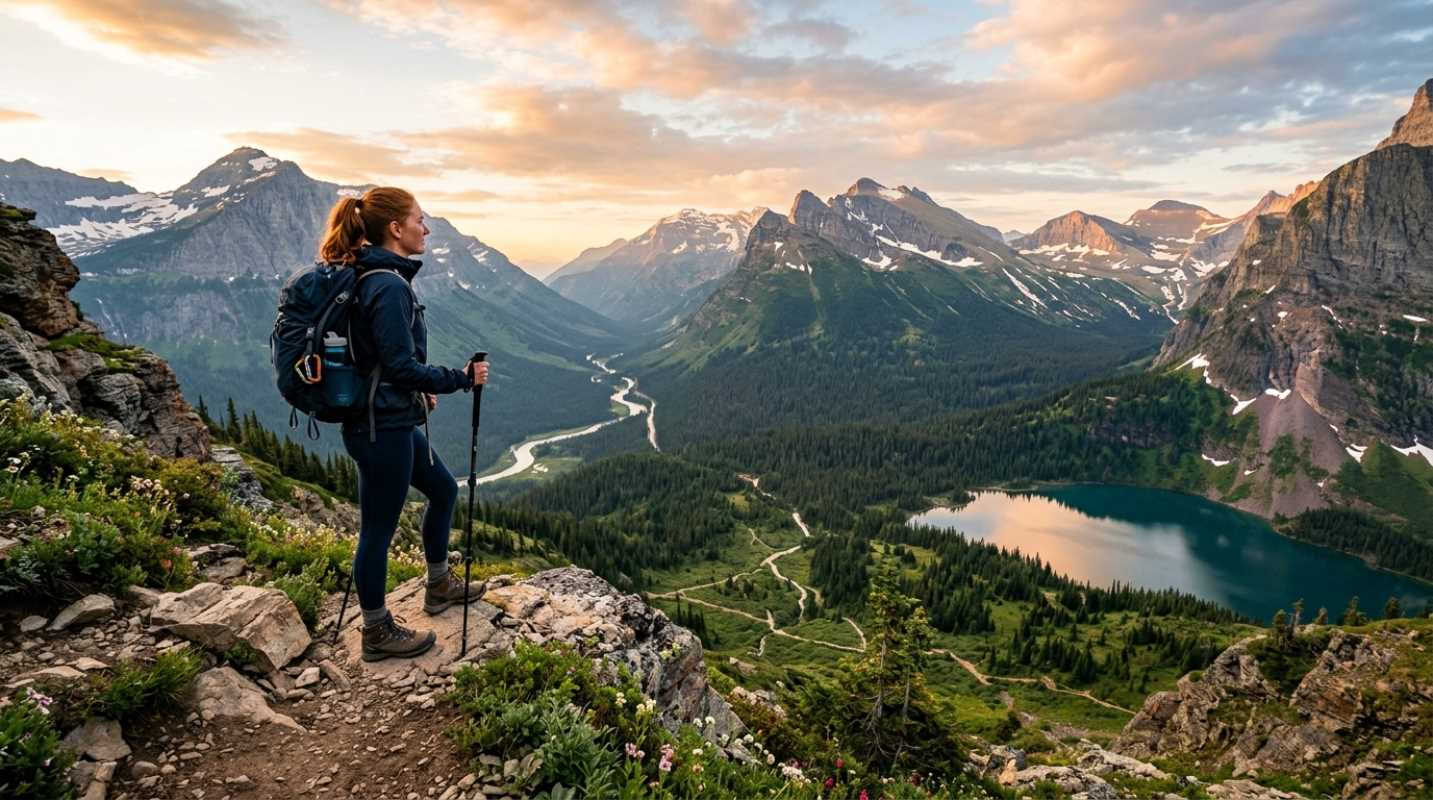
Have you ever spent two hours idling in a bumper-to-bumper line just to get through a national park gate? If you have, you know how quickly gridlock ruins the wild magic of nature. U.S. national parks recorded over 323 million visits in recent years, so skipping the traffic isn't just nice to have anymore; it's needed to save your sanity.¹
So how do you see iconic mountain peaks and canyon views without standing shoulder-to-shoulder with thousands of other tourists? It comes down to calendar timing. When you match the right park with the right season, you transform a potentially stressful trip into a smooth, memorable adventure.
Why Timing is Everything
When you build a trip itinerary around ideal timing, you gain complete confidence in your journey. You won't spend half your vacation hunting for parking spaces or sweating through triple-digit heatwaves. Instead, you get clear roads, active wildlife, and trailheads that actually have open spots.
Planning strategically gives you control over your vacation. Knowing when to visit means you won't arrive right as snowstorms shut down high-altitude roads or summer crowds overload shuttle buses. Good timing turns a basic road trip into an unforgettable experience.
The Sweet Spot and Shoulder Season Approaches
What exactly is a shoulder season? It's that ideal window right between the quiet winter months and the frantic rush of summer. Think late April through May, or September through October.
During these weeks, you avoid the extreme summer temperatures and the heavy volume of school holiday travelers. Shifting your travel dates by just two or three weeks can cut crowd levels by 30 to 50 percent. Over 55 percent of national parks now see higher visitation during these shoulder months as smart travelers catch on, but it still remains your best bet for mild weather and manageable trail traffic.
Here is why shoulder seasons work so well for major parks
• Spring Window (Late April to May): Low-elevation desert parks offer pleasant warmth. Snowmelt fills rivers and waterfalls, wildflowers start blooming, and newborn wildlife appear in valley meadows.
• Fall Window (September to October): This is the ultimate sweet spot for most U.S. parks. Kids are back in school, daytime temperatures cool down to comfortable levels, and foliage turns active shades of yellow, orange, and red.
• Midweek Advantage: Visiting on a Tuesday, Wednesday, or Thursday can reduce daily crowd counts by up to 35 percent compared to Saturdays and Sundays.
Top Picks for Spring and Autumn Escapes
If you want mild weather and incredible views, timing your visit around spring or fall is the move. Here are some of the best matchups between season and destination
• Zion and Arches (Spring): April and May bring comfortable 70-degree temperatures to Utah's red rock desert. You get to hike comfortable trails before summer turns these parks into baking ovens.
• Great Smoky Mountains (Fall): Late October brings peak fall colors across the mountain slopes. Midweek visits let you drive Cades Cove smoothly without getting stuck in traffic jams.
• Acadia National Park (Early Fall): Mid-September to mid-October offers crisp New England coastal breezes, world-class leaf peeping, and short wait times at local seafood shacks.
• Yosemite National Park (May or September): May delivers roaring waterfalls driven by melting Sierra snow. Late September brings mild temperatures, quiet trails, and open access to the high country.
• Glacier National Park (Early September): Early September gives you open alpine roads, active grizzly bears foraging for winter, and golden larch trees without peak July crowds.
Mastering Logistics and Planning a National Park Itinerary
Even during off-peak times, popular parks require a bit of tactical planning. To prevent severe overcrowding, several flagship parks now use timed-entry permit systems during peak months.² Parks like Arches, Rocky Mountain, Glacier, and Acadia require vehicle reservations to access major roads and popular corridors during busy daytime hours.³
You can easily work around these reservation systems with a simple trick: the 8-to-4 rule. Over 70 percent of park visitors arrive between 9:00 AM and 3:00 PM. If you enter the park before 8:00 AM or wait until after 4:00 PM, you can often enter without a timed reservation permit. Plus, you get empty trailheads and gorgeous golden lighting for your photos.
Booking campgrounds or park lodges inside the boundaries is another great trick. Staying inside the park lets you bypass entrance gate queues during morning rush hours, saving you precious travel time.
Always leave room for flexibility in your schedule. Weather in high-altitude or coastal environments can change quickly. Sudden rain, early snowfall, or unexpected road work can close major passes without much warning. Checking official park alerts every morning keeps your plans on track.
Hidden Gems and When to Visit Underrated Parks
If you really want quiet trails and total solitude, skip the famous parks entirely and head for their lesser-known neighbors. Choosing alternative destinations gives you an intimate connection with nature without fighting for parking.
Instead of fighting the masses at Zion, try exploring Capitol Reef National Park or Grand Staircase-Escalante. If Yellowstone's main loops feel too crowded, head south to Grand Teton's backcountry trails or drive north to Theodore Roosevelt National Park. If Yosemite Valley is full, Kings Canyon and Sequoia offer giant trees and sheer granite canyons with a fraction of the visitor foot traffic.
Visiting these quieter parks during their off-season offers peace you won't find anywhere else. Just remember to check seasonal facility schedules. Smaller parks often scale back visitor center hours and close high-elevation mountain passes, like Tioga Pass in Yosemite or Trail Ridge Road in the Rocky Mountains, between late October and May. A quick check of road schedules online make sures you won't run into locked gates.
Your Path to an Unforgettable Adventure
Mastering national park travel comes down to simple preparation. By shifting your trip into the spring or fall shoulder seasons, taking advantage of early mornings, and considering hidden gem alternatives, you set yourself up for a stress-free trip.
America's national parks offer unbelievable beauty, but the experience is always better when you have room to breathe. Pack your bags, double-check your timing, and get ready to experience these wild places the right way.
Sources:
1. National Parks By The Numbers
https://www.hereandthere.club/p/national-parks-by-the-numbers
2. Best Time to Visit US National Parks
https://www.gocollette.com/en-us/travel-blog/best-time-to-visit-us-national-parks
3. Which National Parks Require Reservations
https://www.cruiseamerica.com/trip-inspiration/which-national-parks-require-reservations