Have you ever stepped off a flight, taken in a breathtaking view, and felt a tiny wave of doubt about the footprint you left behind getting there? You are definitely not alone. For years, vacationing meant taking a break from real life, including our day-to-day environmental habits. But that mindset is shifting quickly.
Today, conscious travel is moving from a niche lifestyle choice straight into the mainstream. The global sustainable tourism market is sitting at over $3.5 trillion, and projections show it expanding past $11 trillion over the next decade. Over 80% of global travelers say eco-friendly practices matter to them, while 69% actively want to leave the places they visit in better shape than they found them.¹
So what does this mean for your next trip? It means you do not have to feel guilty about exploring the world. By making a few intentional choices before and during your journey, you can minimize your environmental impact while creating richer, more meaningful travel memories.
Redefining the Modern Traveler
When we think about trip planning, we usually focus on packing lists, flight schedules, and sightseeing itineraries. But modern travel asks a slightly different question: how can we explore without disrupting the natural habitats and host communities that welcome us?
The conversation around travel has evolved beyond simple conversation. Today, travelers are looking at regenerative practices, which focus on actively improving a destination rather than just minimizing harm. It is about making sure that your presence benefits local ecosystems, preserves regional culture, and injects real value into the local economy.
You do not need to rewrite your entire travel style overnight. Making a difference starts with understanding where your personal impact comes from and taking manageable steps to reduce it.
The Art of Greener Transit
Transportation is responsible for roughly 72% of all tourism emissions. That is a massive chunk, and air travel is the biggest contributor. To put things in perspective, taking a single one-way flight from London to New York generates as much CO2 as an average resident of Zimbabwe produces in a full year.²
Does this mean you need to lock your passport in a drawer forever? Absolutely not. But adjusting how you move around makes a world of difference.
• Embrace slow travel: Whenever you can, swap short-haul flights for high-speed trains or electric buses. Rail travel cuts carbon emissions dramatically per passenger, and as a bonus, you get to watch the scenic space unfold right outside your window.
• Fly direct and non-stop: Takeoffs and landings burn the highest percentage of jet fuel. Choosing a direct flight cuts out extra fuel burn and lowers your overall travel emissions.
• Offset what you cannot eliminate: When flying is your only option, look into verified carbon offset programs like Gold Standard or VCS. These programs direct funding into accredited reforestation, habitat protection, and local renewable energy projects.
Choosing Sustainable Accommodations That Make a Difference
Where you lay your head at night matters just as much as how you got there. In traditional mass tourism, roughly 70% to 80% of every dollar spent leaks right out of the local community, heading back to foreign hotel corporations and big booking agencies. Staying at community-owned properties or eco-friendly boutique stays flips those numbers around.
When hunting for a place to stay, look beyond fancy marketing terms. Search for independent third-party eco-certifications like the Global Sustainable Tourism Council (GSTC), LEED, or Green Key. Stays equipped with solar power grids, smart water management, and local sourcing can cut operational waste and energy consumption by up to 60%.
Simple habits in your hotel room also add up. Skipping daily sheet changes, keeping air conditioning off when you are out exploring, and keeping showers brief conserve significant energy and water over a week-long stay.
Practical Eco-Friendly Travel Practices for Every Destination
Minimizing your footprint on the road comes down to day-to-day actions. Small, consistent choices quickly add up across millions of travelers.
Here are four simple practices to keep in mind for your next itinerary
• Pack to eliminate single-use plastic: Toss a durable stainless steel water bottle, a compact tote bag, and solid toiletries into your carry-on. Carrying a bottle with a built-in filter lets you drink tap water safely anywhere in the world without purchasing plastic bottles.
• Dine and shop at neighborhood spots: Eat at family-run eateries, buy goods straight from local artisans, and avoid imported fast-food chains. Your money stays in the town you are visiting, strengthening the local economy and reducing transport emissions from imported food.
• Hire local community guides: Booking indigenous or local tour guides guarantees that your tourism dollars directly support native families. You also gain authentic, insider knowledge that typical group tours simply cannot match.
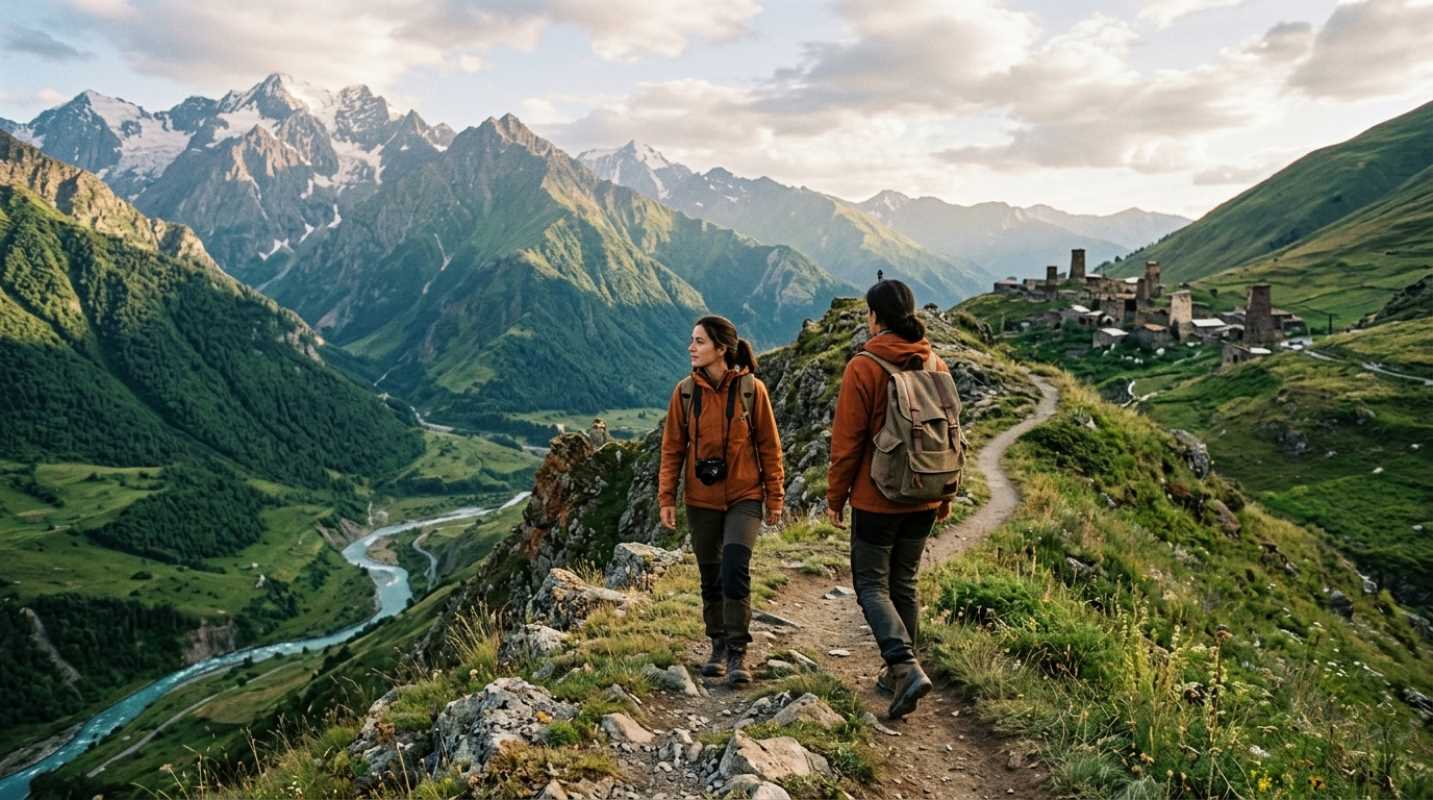
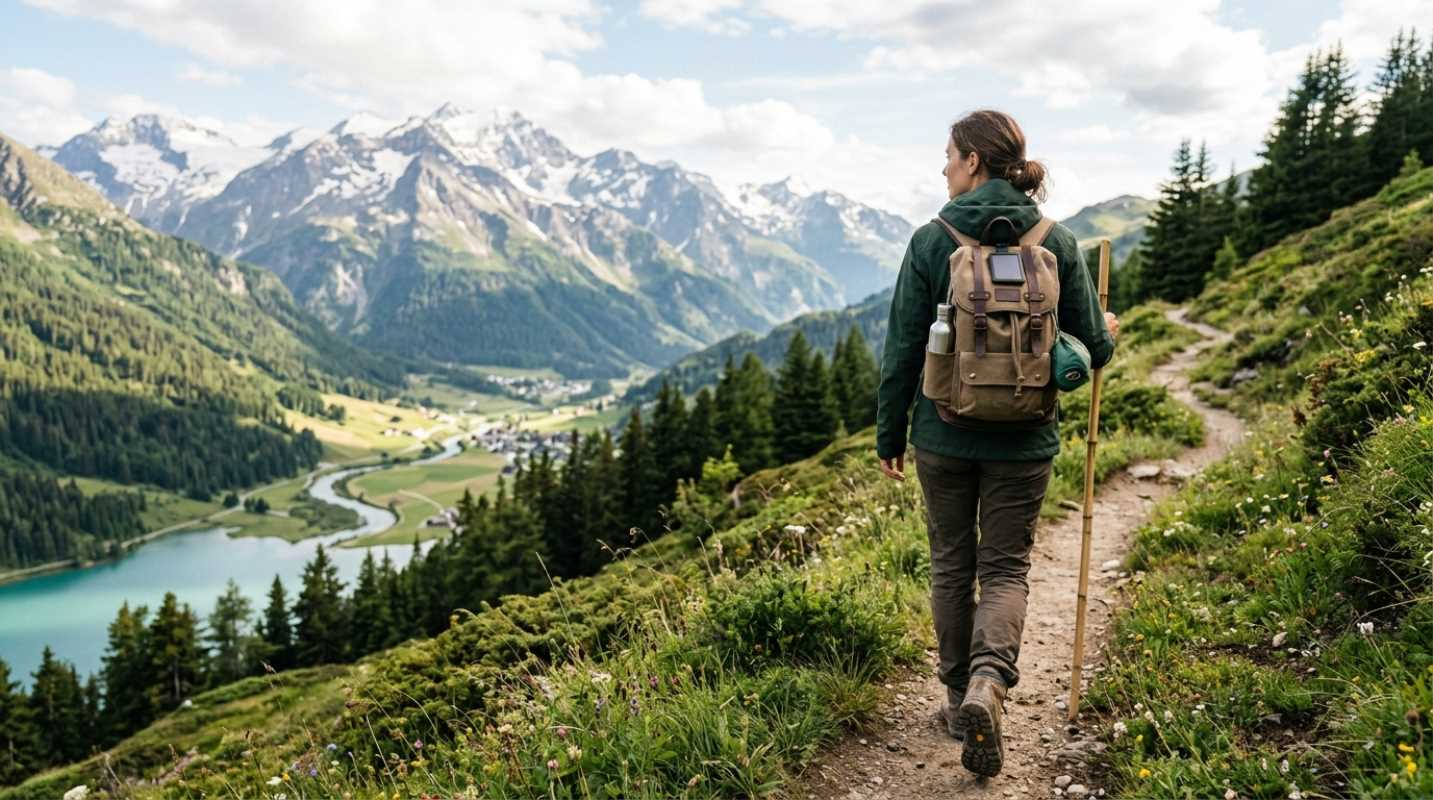
• Practice Leave No Trace principles: Stick to marked trails when hiking to avoid soil erosion and preserve delicate plant life. Keep a safe distance from wild animals, never feed wildlife, and carry out every piece of trash you bring in.
Real-world community programs prove how powerful this approach can be. In Oaxaca, Mexico, an organization called Fundación en Vía runs educational community tours where 100% of tour fees fund microloans for local female entrepreneurs. In Ireland, the Burren Geopark Network brings local businesses together under a shared environmental code, protecting pristine coastal spaces while keeping rural businesses growing.
The Future of Conscious Exploration
It is easy to feel overwhelmed by climate numbers, but positive change is happening rapidly across the travel sector. Recent data from the World Travel & Tourism Council shows that global tourism greenhouse gas emissions recently fell by 9.3%, even while the economic output of global travel grew.³ That proves we can keep exploring without expanding our environmental footprint.
As sustainable travel expert Jane Doe points out, regenerative tourism is fundamentally about leaving a place better than you found it, making sure destinations thrive long after you pack your bags.
Every travel choice you make is a vote for the kind of tourism industry you want to see. By choosing greener transport, supporting local owners, and staying aware of the trails, you become part of a growing movement of responsible global citizens. The goal is not perfect travel. It is thoughtful travel, one trip at a time.
Sources:
1. Booking.com Sustainable Travel Report
https://transition-pathways.europa.eu/tourism/knowledge-documents/bookingcom-report-2025-sustainable-travel-trends
2. Carbon Footprint of Tourism - Sustainable Travel International
https://sustainabletravel.org/issues/carbon-footprint-tourism/
3. WTTC Global Travel & Tourism Emissions Report
https://wttc.org/news/global-travel-tourism-sector-cuts-emissions-intensity-economic-prosperity-grows