Have you ever stepped off a train after months of dreaming about a city, only to find yourself shuffled along in an endless queue of selfie sticks? You are definitely not alone. International tourist arrivals surged past pre-pandemic levels, leading to severe overcrowding in famous hotspots like Venice, Barcelona, and Kyoto.
That overcrowding has triggered a quiet revolution in how people explore the world. Around 84% of global travelers now report that sustainable travel is important to them.¹ People are growing tired of staged photo opportunities and overcrowded plazas. They want real encounters instead.
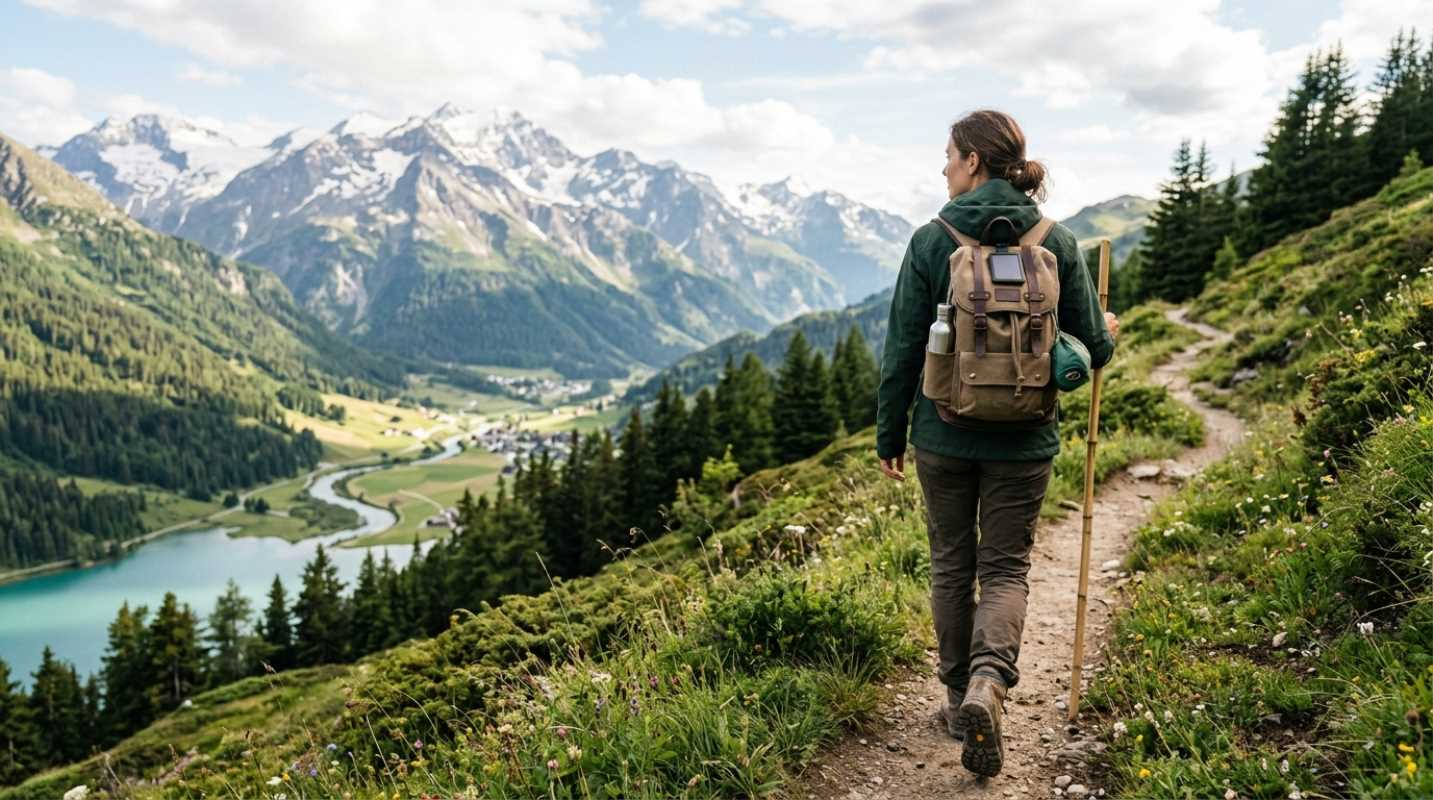
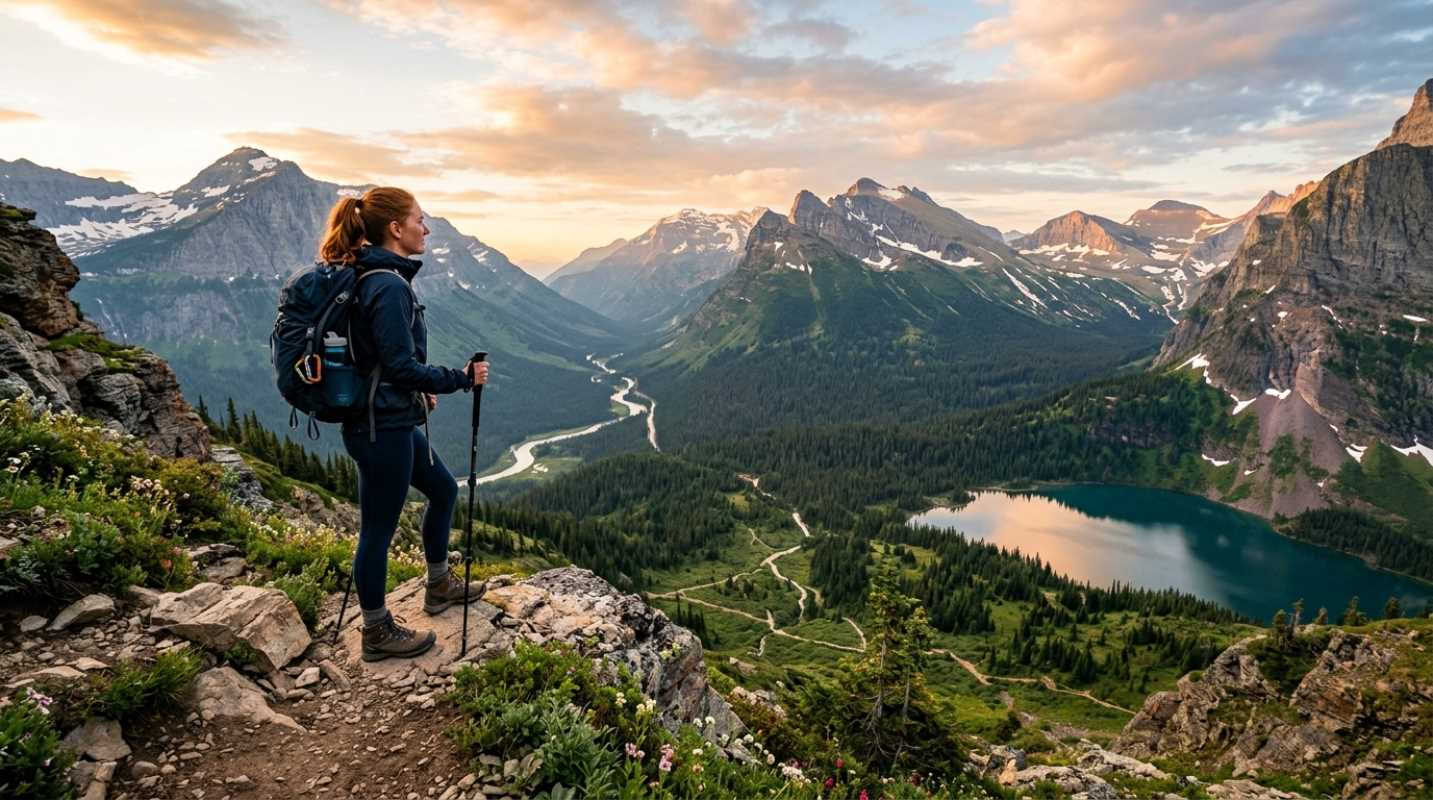
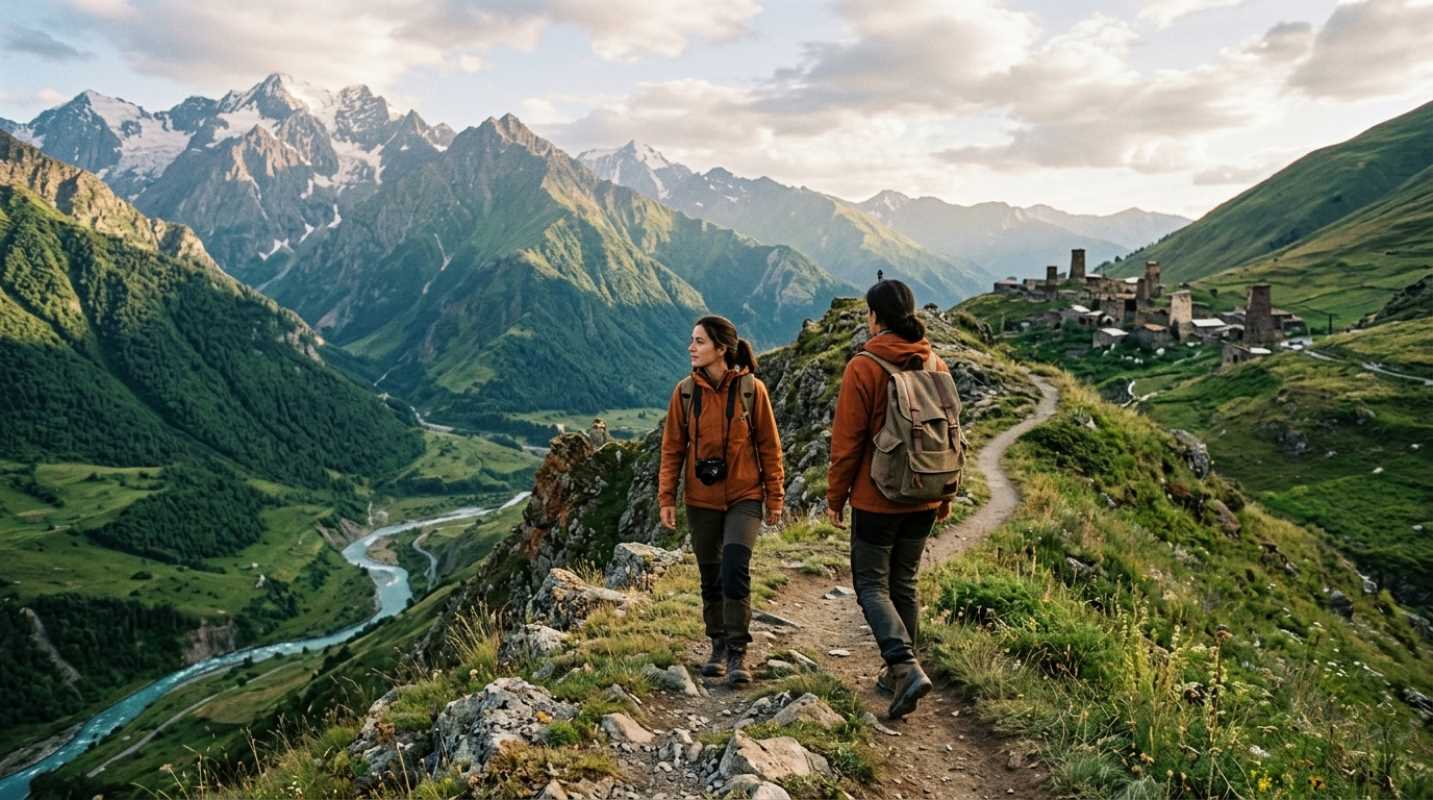
Beyond avoiding crowds, there is a distinct psychological reward in wandering off the beaten track. When you step away from pre-packaged itineraries, you get to test your problem-solving skills, slow down your internal clock, and connect with communities honestly.
There is also a major economic reason to take the detour. In many high-density tourist centers, between 50% and 80% of what tourists spend leaks out to international hotel chains and foreign booking platforms instead of supporting residents. Stepping off the main tourist grid keeps your money in the hands of independent hosts, drivers, and restaurant owners who directly sustain those communities.
The Art of Researching Hidden Gem Locations
So how do you actually find these spots before everyone else shows up?
First, close the internet lists that dominate the top search engine results. Algorithm-driven content tends to recycle the exact same popular attractions over and over.
Instead, start looking for "second cities" or secondary regions near well-known transit hubs. If everyone travels to Tokyo, look toward smaller cities like Kanazawa or Matsumoto. If Barcelona is packed, look inland toward Girona or tiny villages connected by regional train lines. You get to experience authentic regional culture and regional architecture without fighting for elbow room at dinner.
Dig into local community blogs, regional transit maps, and specialized online forums. Translating posts on regional travel forums using your browser can reveal municipal parks, weekend markets, and mountain trails that locals love but foreign travel agencies ignore.
Practical Tips for Visiting Less Touristy Places
Traveling outside major hubs usually means fewer English signs, sparse public transit schedules, and fewer commercial conveniences. That is not a flaw. It is part of the experience, provided you prepare properly.
• Book Direct: Skip large online booking platforms. Reach out directly to small guesthouse owners or family homestays. This simple step saves local hosts high commission fees and gives you a direct line to local advice.
• Hire Local Guides: When exploring sensitive nature reserves or historical ruins, hire independent guides from the immediate area. They offer depth you cannot find online, and your money supports local families directly.
• Pack Self-Reliance: Remote towns often lack advanced waste management systems. Bring a reusable water bottle with a built-in filter, carry solid toiletries to skip plastic bottles, and keep a reliable portable charger handy.²
• Practice Slow Transit: Instead of booking quick domestic flights, rely on local trains, regional buses, or shared electric vehicles. Ground transit lowers your carbon footprint while giving you a front-row seat to countryside scenery.
Three Underrated Regions You Need to Visit Now
If you are ready to plan a trip that breaks the routine, these three regions deliver unforgettable experiences without the massive crowds.
Northland Region, New Zealand
Although most international visitors hurry down to Queenstown or Auckland, the northern tip of New Zealand remains delightfully quiet. Northland offers subtropical marine reserves like the Poor Knights Islands, perfect for diving and kayaking. The region features the Kiwi Coast, a grassroots coalition of over 250 community conservation projects working together to protect native wildlife and wild kiwi populations.³
Sarajevo, Bosnia and Herzegovina
Sarajevo offers an extraordinary blend of Ottoman and Austro-Hungarian heritage. Surrounded by the forested peaks of the Dinaric Alps, this budget-friendly European alternative lets you explore centuries-old bazaars, historic bridges, and incredible local food, all while redistributing tourism spending to local people and independent guesthouses.
Yerevan and the Armenian Countryside
As one of the world's oldest continuously inhabited capitals, Yerevan blends grand pink-tufa stone architecture with a growing cafe scene. Just an hour outside the capital, you will find ancient mountain monasteries like Geghard and scenic hiking trails around Dilijan. Local eco-trail initiatives and farm-to-table rural homestays make Armenia ideal for travelers seeking deep history and quiet nature.
Embracing the Unexpected and Finding Depth
When you step off the well-trodden route, things will occasionally go off script. A bus schedule might be outdated. A restaurant might be closed because the owner went fishing. A language barrier might lead to you ordering a meal you cannot identify.
Reframing these moments as part of the authentic experience matters to enjoying off-grid exploration. The best travel memories rarely come from seamless transfers. They come from the kindness of a stranger who helped you read a train sign, or the quiet afternoon you spent sitting in a village square watching daily life unfold.
Prioritizing depth over breadth changes your relationship with travel. You stop treating a journey like a grocery list of famous sights to check off, and you start treating it like a genuine conversation. Next time you plan a trip, permit yourself to turn down the quieter road. That unexpected detour is usually where the actual adventure begins.
Sources:
1. i-dest.com
https://i-dest.com/en/news/what-have-we-learned-from-2025-sustainable-tourism-trends-that-will-define-2026
2. sustainabletravel.org
https://sustainabletravel.org/top-10-tips-for-sustainable-travel/
3. nationalgeographic.com
https://www.nationalgeographic.com/travel/slideshow/best-of-the-world-2025