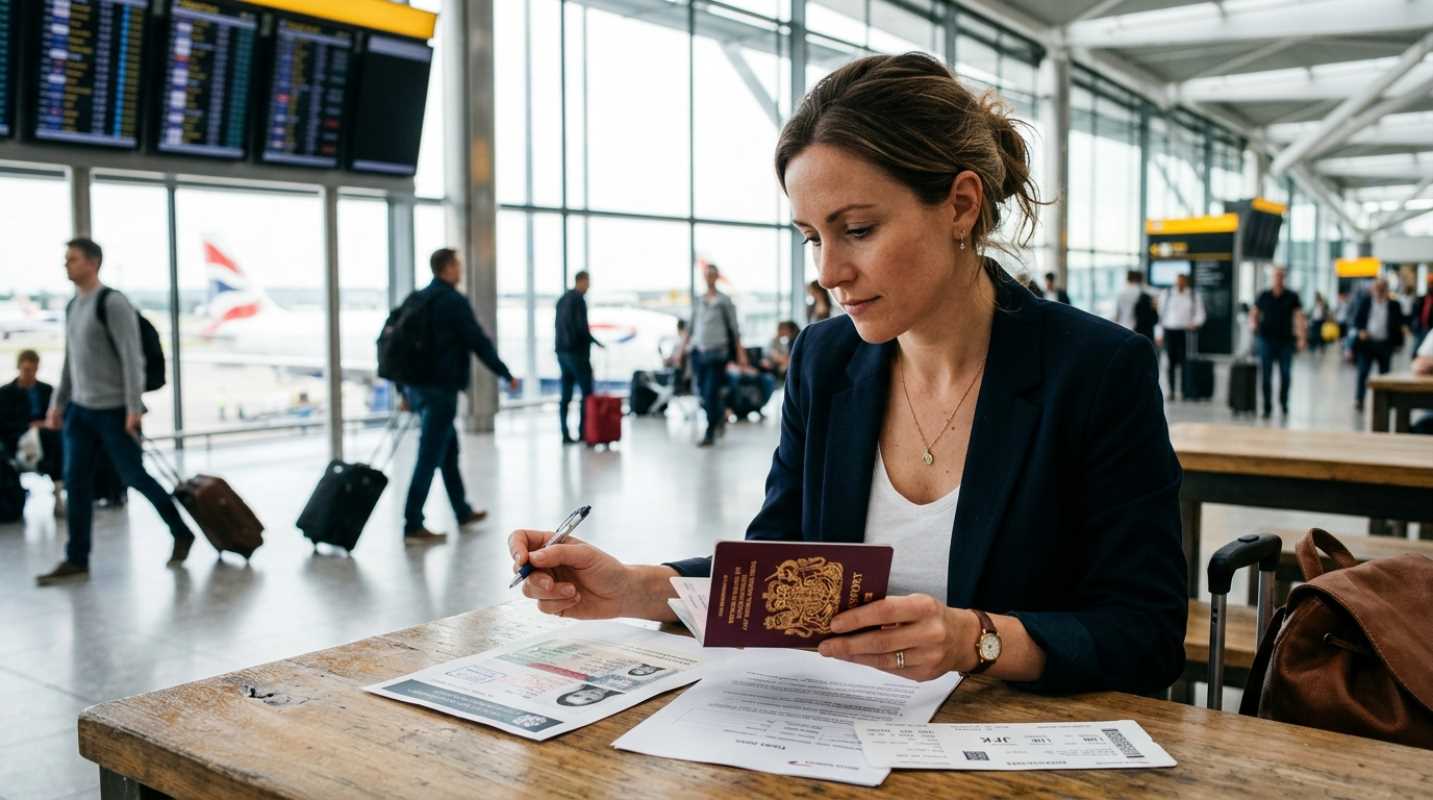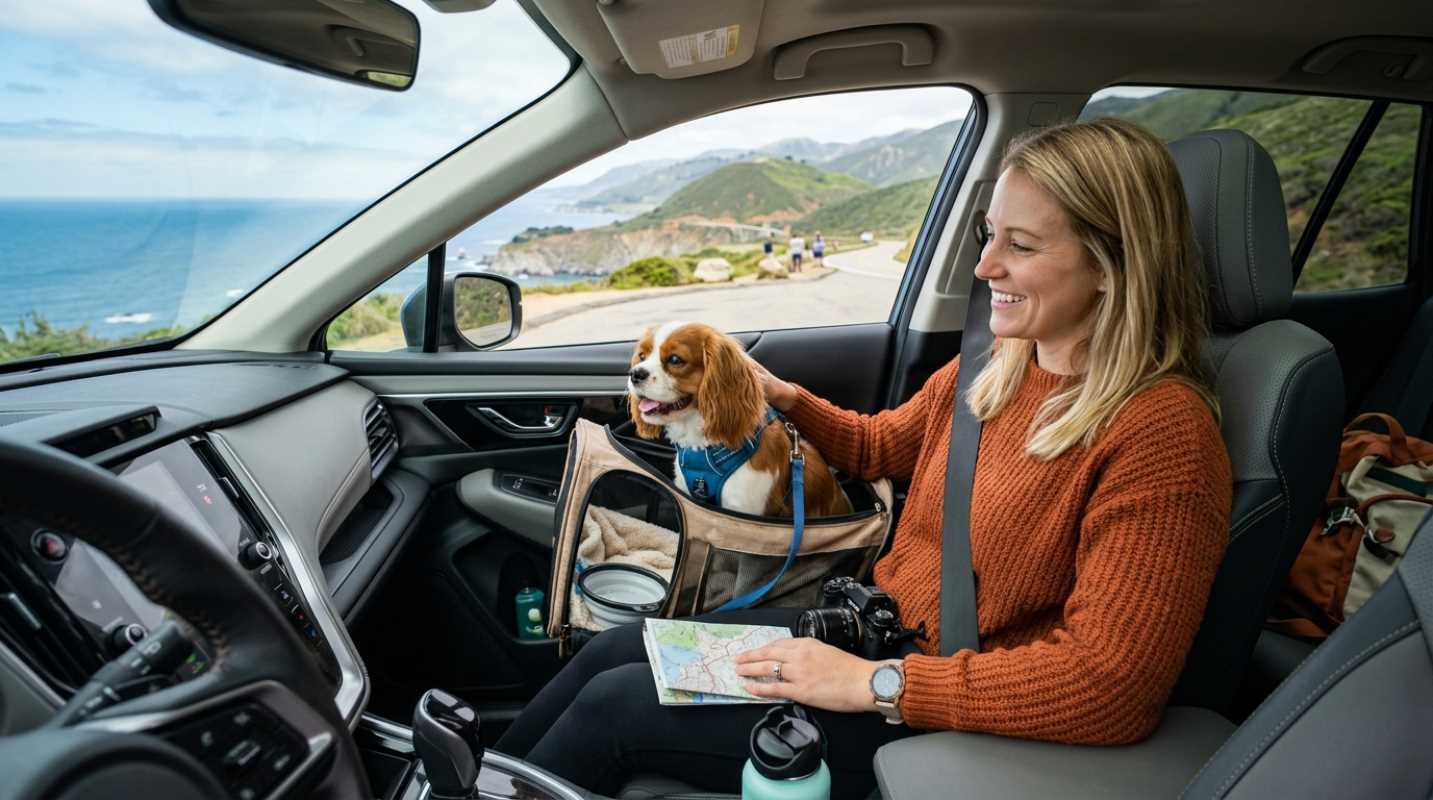
You know the exact moment a group trip starts to turn. It usually begins with a group chat title like "Cabo 2026!" complete with palm tree emojis. Everyone is thrilled. Ideas fly around for forty-eight hours. Then, reality hits.
Someone wants a luxury villa with an infinity pool, while someone else is trying to keep the entire weekend under three hundred dollars. Half the group stops responding to text messages. Before you even pack a bag, you're exhausted, annoyed, and wondering if you should just claim you caught a stomach bug to get out of it.
Have you been there? You're far from alone. According to a recent Experian survey, over half of Gen Z and Millennial travelers have had a money disagreement while traveling with friends. Even worse, twenty percent of those travelers ended a friendship over a trip expense issue.¹ Meanwhile, data from YouGov shows that 70% of travelers find the booking process downright stressful, with group dynamics multiplying that friction through endless back-and-forth messaging.²
It doesn't have to be this way. Group travel can actually be fun, relaxed, and bonding if you set up the right expectations from day one. Clear communication, simple digital tools, and a little bit of structure can save your vacation and your friendships.
Mastering the Art of Coordinating Group Travel Logistics
The biggest mistake people make when planning group trips is trying to operate as a total democracy. Endless group texts where ten people vote on every single dinner venue lead straight to decision fatigue. Design-by-committee simply does not work.
Instead of letting chaos rule, assign clear roles before you start looking at flights or rentals. Pick one main Lead Planner, but break off specific responsibilities to keep things light
• The Finance Lead: Manages the expense ledger, tracks balances, and sends settlement reminders.
• The Logistics Captain: Keeps track of check-in codes, flight numbers, rental car confirmations, and transit schedules.
• The Itinerary Anchor: Focuses on booking main group activities and keeping the calendar updated.
Next, set up a single source of truth. Stop sharing scattered screenshots across three different messaging apps. Pick a collaborative tool and stick to it
• Troupe: Great for early planning, letting everyone vote on destinations, dates, and housing options without messy text threads.
• WhenAvailable: A super simple tool to pinpoint dates when everyone is free without requiring account sign-ups.
• Wanderlog: Perfect for visually mapping out spots, pinning restaurants, and organizing day-by-day routes.
• TripIt: Automatically forwards flight and accommodation confirmation emails into one clean schedule.
Finally, set hard voting deadlines. If you ask the group to pick between two rental houses, give them a firm cutoff. A simple rule works best: if you don't vote by Thursday at 5 PM, the Lead Planner makes the call for you.
Managing Differing Preferences Within a Group
Putting six different personalities under one roof for a week is a recipe for friction if you expect everyone to do everything together. Your early-bird friend wants to go hiking at dawn, while your night-owl friend refuses to wake up before noon. If you force them into the same morning routine, resentment builds fast.
Start by building a "Must-Do vs. Nice-to-Do" list. Ask each person to share their top one or two non-negotiable activities for the trip. Everything else becomes optional.
A great framework is the single anchor activity rule. Schedule no more than one main group event per day, whether that's a boat tour or a nice dinner. Leave the rest of the day wide open as an opt-in schedule. People who want to explore museums can go do that, while those who want to read by the pool can stay put.
To keep decision-making fair and pressure-free, use anonymous polls through Google Forms or Troupe. When people vote anonymously on maximum daily budgets or activity preferences, they won't feel peer-pressured into agreeing to expensive outings they can't afford.
Permit people to spend time apart. Taking two hours to walk around alone or grab coffee by yourself isn't being anti-social. It's how you stay sane and energized for the rest of the group.
Splitting Costs Fairly and Keeping Friendships Intact
Money is where group trips hit the biggest speed bumps. Historically, one generous friend ended up dropping thousands of dollars on a house rental, only to spend the next six months awkwardly chasing people down for Venmo payments.
That model is officially dead. Modern travel trends show a huge shift away from post-trip expense chasing and toward upfront collections and deposits.³ Never expect one person to front huge costs on their personal credit card. Use direct split-payment options at checkout or collect funds before hitting the book button.
When you're on the ground, modern expense apps make tracking seamless
• Tricount and Splid: Excellent, free, low-friction apps that track shared bills offline without forcing everyone to create complicated accounts.
• Cino: Generates a shared virtual payment card that automatically splits transactions across group members' bank accounts the moment you swipe.
• SplitterUp: Uses artificial intelligence to scan long restaurant receipts line by line. This means non-drinkers don't get stuck paying for expensive cocktail rounds.
• SquadTrip: Ideal for larger group events or retreats, offering automated installment payment plans directly to attendees.
Another useful trick is setting up a group kitty on day one. Everyone puts fifty dollars into a cash pool or shared digital wallet to pay for small group expenses like groceries, taxi rides, or shared snacks. It saves you from logging dozens of tiny two-dollar transactions.
Talk about budget caps openly before committing. Knowing everyone's comfort zone upfront avoids uncomfortable moments when the dinner bill arrives.
The Golden Rule of Flexibility and Grace
No matter how meticulously you plan, something will go off script. Flights get delayed, bad weather ruins beach days, and famous restaurants lose reservations.
When plans crumble, laugh it off and pivot. The best group trips aren't the ones executed with military precision. They're the ones where everyone stays relaxed when things go sideways.
Build a clear no-pressure clause into your travel culture. Make sure everyone knows it's totally okay to skip an outing to nap, catch up on a book, or just rest without feeling guilty or needing to make excuses.
At the end of the day, you aren't managing a corporate project or trying to win an award for logistics. You're trying to enjoy time off with people you care about. Focus on creating fun memories together, give each other plenty of grace, and leave the drama at home.
Sources:
1. Experian Survey
https://www.experian.com/blogs/ask-experian/survey-financial-stress-of-traveling-with-friends/
2. YouGov Travel Stress Report
https://yougov.com/en-us/reports/51330-us-travel-stress-report-2025
3. SquadTrip Guide
https://www.squadtrip.com/guides/top-splitwise-alternatives-for-group-travel-expenses/