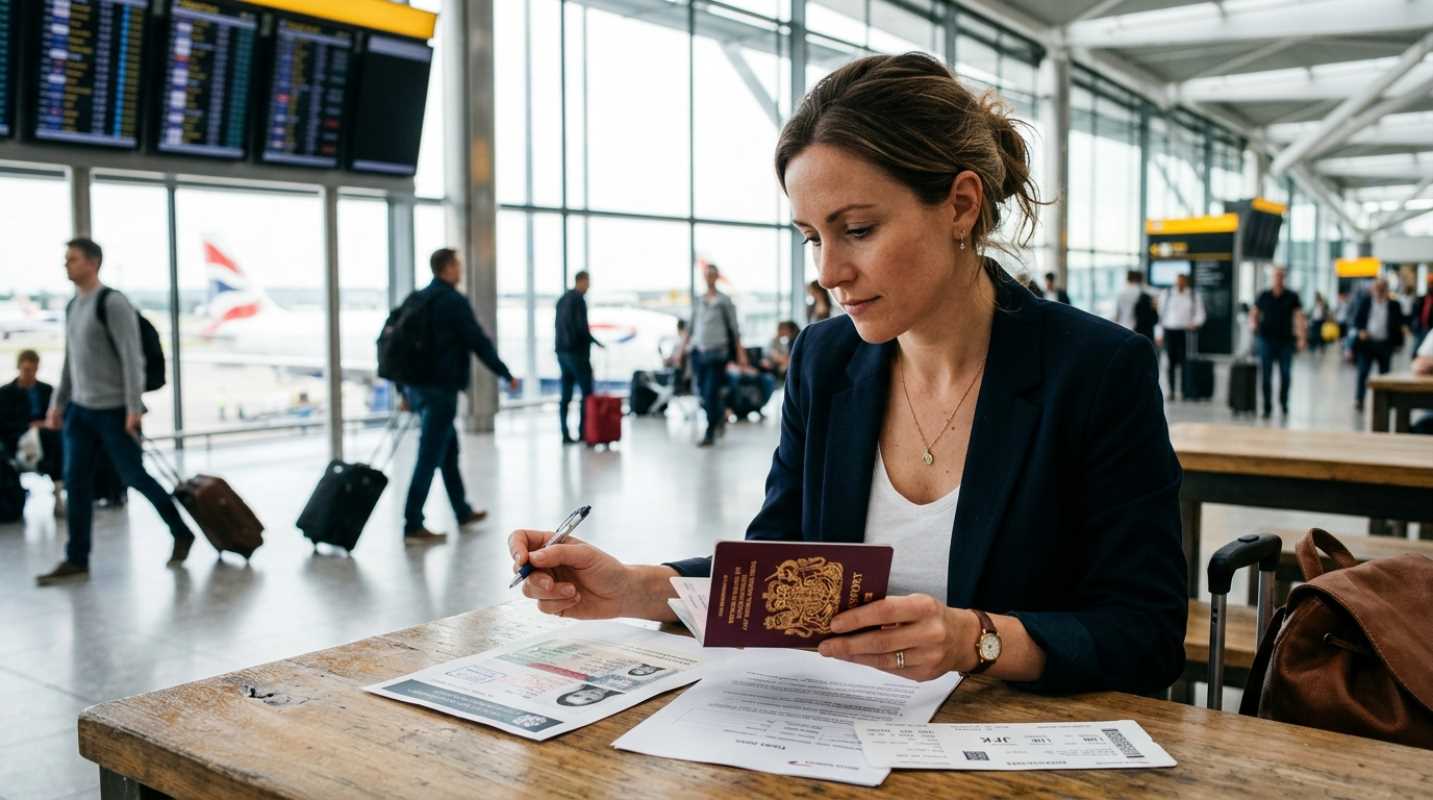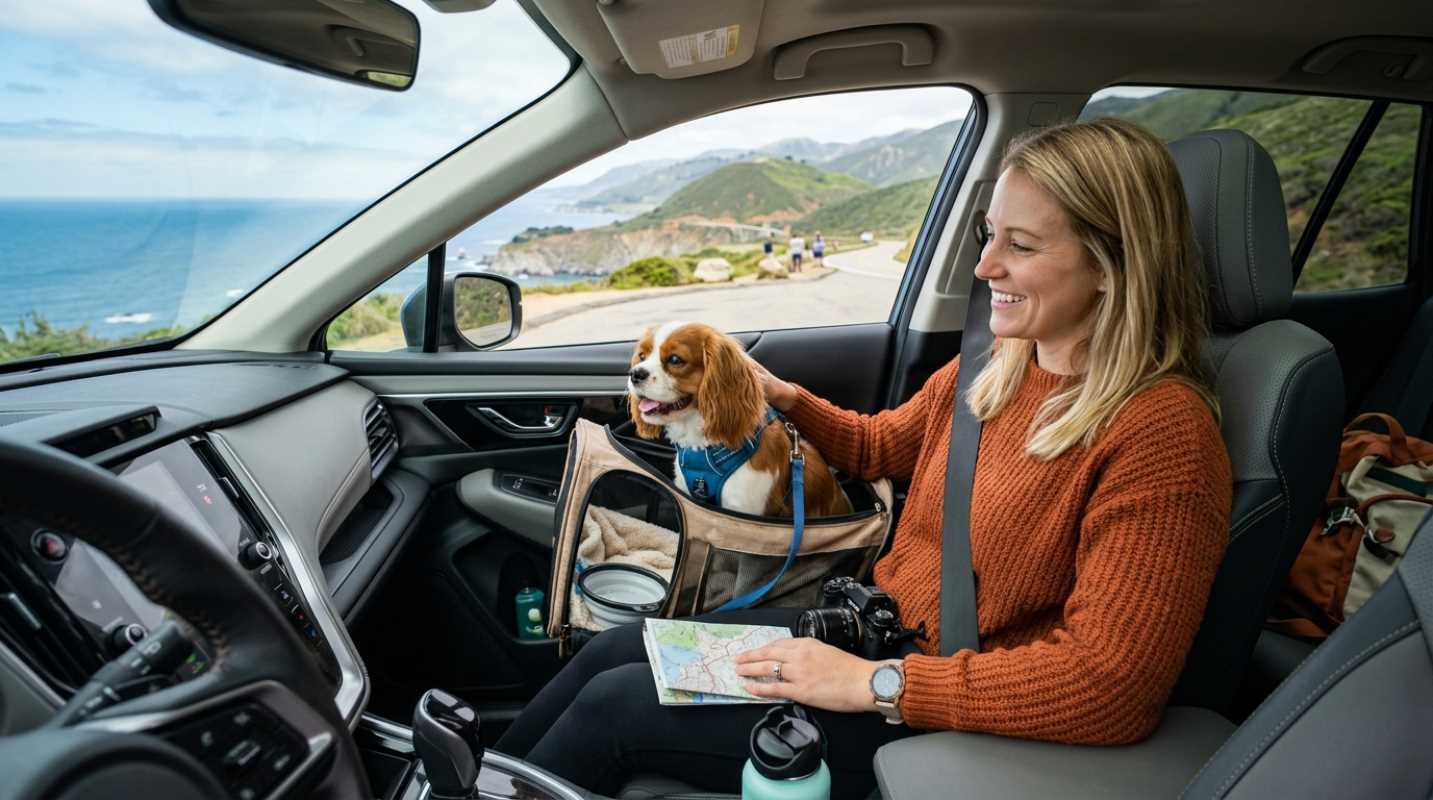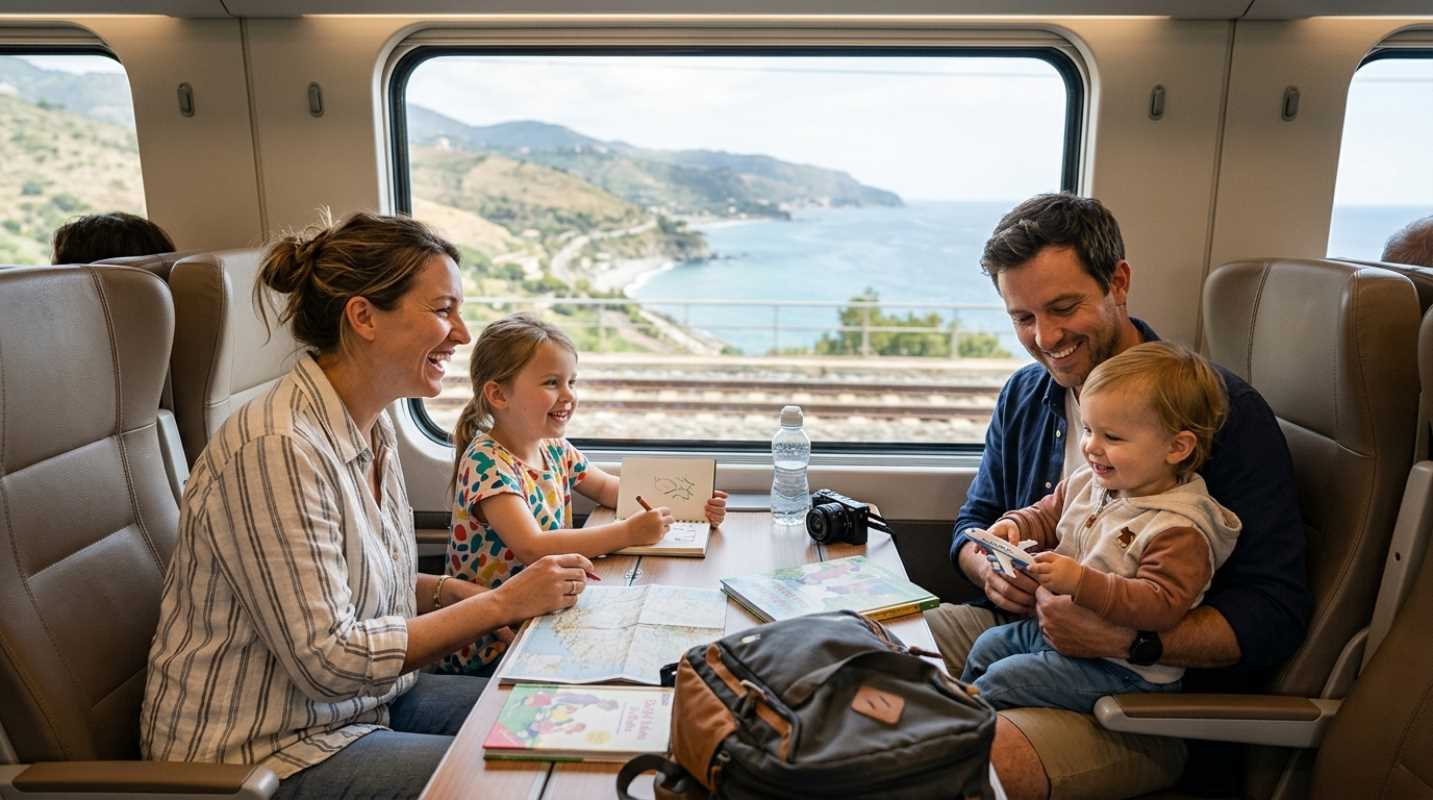
Have you ever found yourself standing in an airport terminal, surrounded by three suitcases, a stroller, and a tired toddler who has decided that right now is the absolute best time to lie flat on the cold tile floor? You are not alone. Family travel can feel like an Olympic sport where the rules change every ten minutes.
Yet, despite the chaotic moments, parents are packing their bags in record numbers. Around 92% of parents plan to travel with their children this year, making family trips more popular than ever.¹ The secret to surviving (and actually enjoying) these trips lies in a quick mindset shift. Stop treating your vacation like a tightly choreographed military operation. Start viewing it as a shared adventure where unexpected hiccups are just part of the story.
When you set realistic expectations, the pressure vanishes. Expect a few bumps along the way, because travel days rarely go completely according to plan. In fact, involving your kids in the decision-making process makes a huge difference. Research shows that 81% of parents consult their kids when picking destinations, and over 60% report that giving children a voice directly boosts their happiness and engagement on the road.¹ When kids feel included, they take ownership of the trip, turning potential stress into genuine excitement.
Mastering the Art of Packing Essentials for Family Trips
Packing for a family trip often feels like preparing for a minor emergency. You pack for every possible weather event, medical situation, and sudden change of heart. But overpacking creates its own brand of frustration when you are digging through crammed bags at a rental car counter. The key is strategic organization, so you can find what you need without tearing your luggage apart.
Here are a few tested approaches to streamline your luggage and protect your sanity on transit days
• Color-Coded Packing Cubes: Assign a specific cube color to each family member. When you arrive at your destination, simply place the cubes straight into hotel drawers. No unpacking required, and everyone knows where their socks are.
• The Cross-Packing Method: Divide everyone's clothing across all checked suitcases. If the airline delays one bag, every family member still has two or three days of clean outfits in the remaining luggage.
• Daily Outfit Bags: For younger kids, pack complete daily outfits (shirt, shorts, underwear, and socks) into clear gallon zipper bags. Your child can pull out one bag every morning without turning the room upside down.³
• The Parent Emergency Kit: Always pack a full change of clothes for yourself in your carry-on bag, right alongside your child's spare outfits. Parents often forget that spills, motion sickness, and sticky hands affect adults, too.
Approaches for Keeping Kids Entertained While Traveling
Long transit hours can test the patience of even the calmest child. Although handing over a tablet is easy, endless screen time can lead to moody, overstimulated kids by the time you reach your hotel. A balanced entertainment approach combines digital devices with low-tech, high-engagement activities.
Instead of pulling out all your secret weapons in the first hour, pace yourself. Stagger new activities throughout the journey to keep novelty high when energy dips.
Simple, zero-equipment games work wonders during flight delays or long drives
• 20 Questions Travel Edition: Pick an object inside the plane, train, or highway view, and let kids guess what it is using only yes-or-no questions.
• The Story Chain: Start a story with one sentence, then pass it to the next person to build a wildly creative tale line by line.
• I Spy With a Twist: Focus on colors, letters, or sound effects rather than visual items when traveling at high speeds on the road.
For mid-flight lulls, pack a secret wrapped item. A fresh coloring book, a small puzzle, or a new fidget toy wrapped like a birthday present buys an hour of quiet focus. The excitement of unwrapping something new provides an extra boost of joy right when boredom strikes.
Managing Schedules and Meltdowns on the Road
It is a scenario every parent dreads: a full breakdown in the middle of a busy museum or crowded security line. But here is the truth. Travel meltdowns are rarely about bad behavior. They are almost always a reaction to sensory overload, fatigue, and broken daily rhythms.
Children thrive on predictability. Throw them into a noisy terminal, skip a nap, and feed them unfamiliar food at odd hours, and their nervous system simply overloads. Keeping meltdowns at bay requires protecting basic needs like sleep and hunger before you explore local sights.
Pediatric health experts recommend sticking to the 1-2 activity rule.² Limit your itinerary to one or two main attractions per day, leaving plenty of open space for quiet play or rest. Long drives or flights should ideally match natural nap times or early morning hours to keep body clocks steady.
When you feel a meltdown brewing, try these de-escalation tactics
• Offer Controlled Choices: Avoid giving open-ended demands during stressful transitions. Instead of asking them to leave the pool right away, ask if they want to wear their blue flip-flops or red sneakers on the walk back.
• Build a Sensory Toolkit: Carry noise-canceling headphones, a soft comfort blanket, and familiar high-protein snacks. Reducing noise alone can prevent sensory overload in crowded spaces.
• Give Time Warnings: Countdowns help children process transitions smoothly. Give a five-minute warning followed by a two-minute warning before changing activities.
Finding the Balance Activities for Parents and Kids
A successful family vacation satisfies everyone, not just the kids. Spending an entire week bouncing between amusement parks and fast-food venues leaves parents feeling exhausted and resentful. On the flip side, dragging toddlers through four art galleries in one afternoon is a direct route to frustration.
Balance comes down to smart scheduling and clever lodging choices. Consider booking a vacation rental with a kitchen and separate bedrooms instead of a standard single hotel room. Having extra space allows parents to relax after the kids go to bed, rather than sitting in the dark whispering to each other at 8:00 PM.
Look for activities that offer mutual appeal. An interactive science center, a relaxed beach afternoon, or a local food tour with outdoor seating lets adults relax while kids explore safely. Schedule parent-focused downtime in rotation. One parent takes the kids to the playground for two hours while the other enjoys a quiet coffee or a spa session, then swaps places later in the day.
Building Confidence for Your Next Trip
At the end of the day, traveling with children is about creating a shared family story. Years from now, your kids will not remember the flight delay or the spilled juice in the back seat. They will remember the goofy jokes, the ocean waves, and the feeling of discovering new places together.
Every trip you take builds your family's travel muscle. You will learn what works, what to skip next time, and how to adapt on the fly. Start small with a weekend getaway, refine your routines, and build up to larger adventures as your confidence grows.
When you head home, give your family a soft landing. Keep the first day back free of major commitments, unpack right away to clear visual clutter, and order takeout for dinner. Give yourselves time to settle back into your regular rhythm while looking back at photos together.
The world is waiting for your family. Pack your bags, keep your plans flexible, and embrace the journey.
Sources:
1. NYU SPS Tisch Center Family Travel Survey
https://www.sps.nyu.edu/about/news-and-ideas/articles/press-releases/2025/2025-family-travel-survey-highlights-rise-of-kidfluence.html
2. Southwest Pediatrics Holiday Travel Guide
https://swpedi.com/holiday-travel-with-young-children/
3. PDX Parent Travel Hacks
https://pdxparent.com/hacks-traveling-with-kids/
*This article on modernlifestyle is for informational and educational purposes only. Readers are encouraged to consult qualified professionals and verify details with official sources before making decisions. This content does not constitute professional advice.*