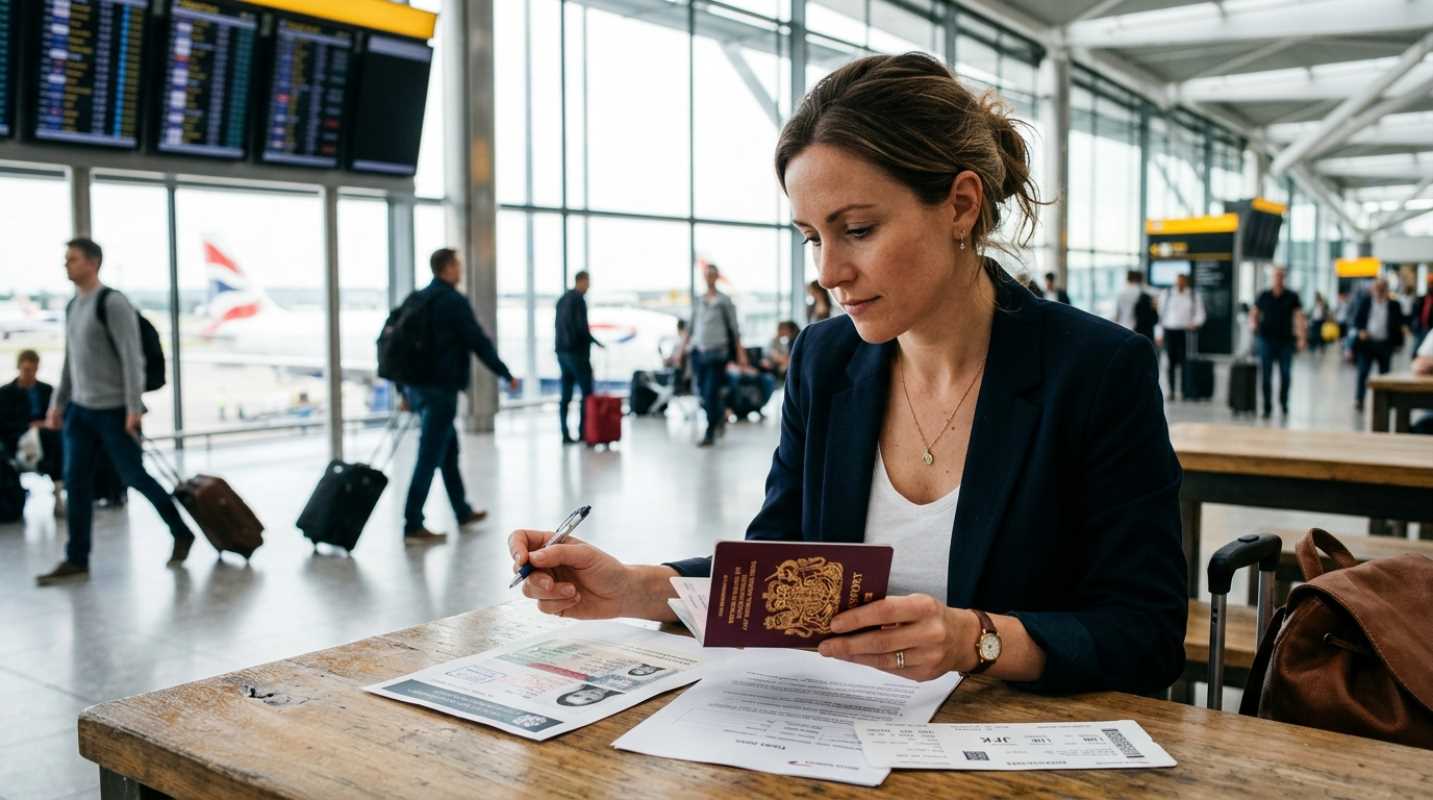
Have you ever stood in front of an open suitcase the night before a flight, holding a third pair of boots and wondering if you might attend a sudden gala? Most of us have been there. You tell yourself that packing an extra jacket, four backup shirts, and a pair of dress shoes is just smart planning.
In reality, it is the classic "just in case" trap. Travel surveys show that over 40% of travelers return home with clothes they never once pulled out of their bags. Lugging a heavy suitcase up cobblestone alleys or flight after flight of subway stairs turns what should be a relaxing getaway into an exhausting workout.
Going carry-on only changes everything. Airlines now routinely charge $35 to $45 each way for a standard checked bag, adding up to $90 to a simple round-trip ticket. Beyond the cash savings, you skip the airport luggage carousel entirely. Global airlines mishandle between 4.9 and 6.3 bags per 1,000 passengers, costing the aviation industry over $6.3 billion annually.¹ Between 41% and 46% of all delayed or lost bags happen during tight flight connections.² When your belongings stay with you in the overhead bin, lost luggage is completely off the table.
Curating Your Perfect Capsule Wardrobe
The secret to fitting everything into a single carry-on bag is building a travel capsule wardrobe. Think of it as a small, curated collection of clothes where almost every top works with every bottom. When you can mix and match without friction, a tiny pile of clothes produces dozens of distinct outfits.
Start with a disciplined three-color formula. Pick two neutral base tones like navy and white, cream and olive, or black and charcoal. Then add a single accent color or distinct texture. When you stick to this palette, you eliminate one-hit wonders that only pair with a single specific item.
For trips lasting anywhere from a week to a month, the 5-4-3-2-1 packing method is the gold standard.³ It creates more than twenty distinct outfit combinations from fifteen items
• 5 Tops: Pack two casual t-shirts, one button-down shirt, one lightweight sweater or knit, and one dressier blouse or polo.
• 4 Bottoms: Pack one pair of dark jeans or tailored trousers, one casual travel pant, one pair of shorts, and one skirt or additional lightweight pant.
• 3 Pairs of Shoes: Bring one pair of comfortable walking sneakers, one dressier flat or loafer, and one supportive sandal or slip-on.
• 2 Layering Pieces: Choose one light jacket or cardigan and one versatile day-to-night dress or overshirt.
• 1 Accessory Set: Bring one everyday belt, a pair of sunglasses, and a neutral bag.
Fabric choice matters just as much as item count. Merino wool is incredible for travel because it naturally resists odors and regulates body temperature. You can wear a lightweight merino shirt three or four times before it needs a wash. Breathable fabrics like Tencel, lyocell, and linen-cotton blends pack down small and dry quickly. Leave heavy raw denim and thick cotton fleece at home, as they take more than a day to air-dry and hog valuable luggage space.
Mastering the Art of Packing Methods
How you arrange your clothes inside the bag dictates how much you can carry without stretching the seams. Different garments call for different packing techniques.
• Compression Cubes: These work best for bulkier items like knitwear, pants, and underwear. Their perimeter zippers squeeze out trapped air, shrinking overall clothing volume by 20% to 30%.
• Ranger Rolling: Roll your T-shirts, activewear, and pajamas into tight, self-contained cylinders. This military technique keeps items compact and stops them from unrolling when you reach into your bag.
• File Folding: Fold blouses, linen tops, and shorts into neat flat rectangles and place them vertically inside packing cubes. You will see every item instantly without digging through layers.
• Bundle Wrapping: Wrap formal wear or delicate items around a central core of soft garments. This prevents hard creases and keeps collars crisp.
A Simple Decision-Making Framework for What Stays Home
Cutting down your packing list requires honest decision-making. Before any item goes into your suitcase, put it through a fast reality check.
First, apply the buy-it-there test. If you are packing something for a low-probability scenario, leave it in your closet. Need an umbrella if it rains in London? Buy a cheap one from a local shop if the skies actually open up. Forgot a nail clipper or extra moisturizer? Local pharmacies exist in every destination.
Second, embrace the one-week rule. Pack for seven days maximum, no matter if your trip is ten days, two weeks, or a month. Washing your base layers midway through your trip takes five minutes. Bring a few dry laundry detergent sheets and a flat silicone sink stopper. Wash your socks, underwear, and light shirts in the hotel sink before bed, hang them up, and they will be fresh and dry by morning.
Third, switch to solid toiletries. Liquid restrictions at airport security are annoying, and leaky shampoo bottles can ruin an entire wardrobe. Swap heavy liquids for solid shampoo bars, facial cleansing sticks, solid deodorants, and toothpaste tablets. They last longer, take up a fraction of your toiletry bag, and easily glide past security checkpoints.
Finally, lay out your outfits on the bed before packing and snap photos on your phone. If a top cannot pair with at least three different bottoms, remove it. Visualizing your outfits beforehand eliminates guesswork while getting dressed on vacation.
Final Tips for Maintaining a Lightweight Carry-On
A few simple habits during departure day will keep your bag light and easy to manage.
• Wear Your Bulkiest Items: Put on your heaviest shoes, thickest jeans, and bulkiest jacket for transit days. You instantly free up valuable space and weight inside your bag.
• Go Fully Digital: Heavy guidebooks, paperback novels, and paper itineraries add unnecessary pounds. Load your books onto an e-reader or phone, download offline maps on Google Maps, and save your travel reservations directly to your digital wallet.
• Run a Pre-Departure Weigh-In: Use a portable luggage scale or your home bathroom scale before heading to the airport. Aim to keep your main bag under 18 pounds (8 kg) so you can easily lift it into the overhead bin without asking for help.
Packing light takes a small amount of discipline upfront, but the payoff is enormous. You glide off the plane, skip the baggage claim crowds, breeze past ticket counters, and step right into your adventure.
Sources:
1. Lost or Mishandled Baggage Cost Aviation $6.3bn in 2025
https://worldaviationfestival.com/blog/airports/lost-or-mishandled-baggage-cost-aviation-6-3bn-in-2025/
2. Lost Luggage: The Economics and Operations
https://gadallon.substack.com/p/lost-luggage-the-economics-and-operations
3. 5-4-3-2-1 Packing Method
https://www.carlfriedrik.com/magazine/54321-packing-method