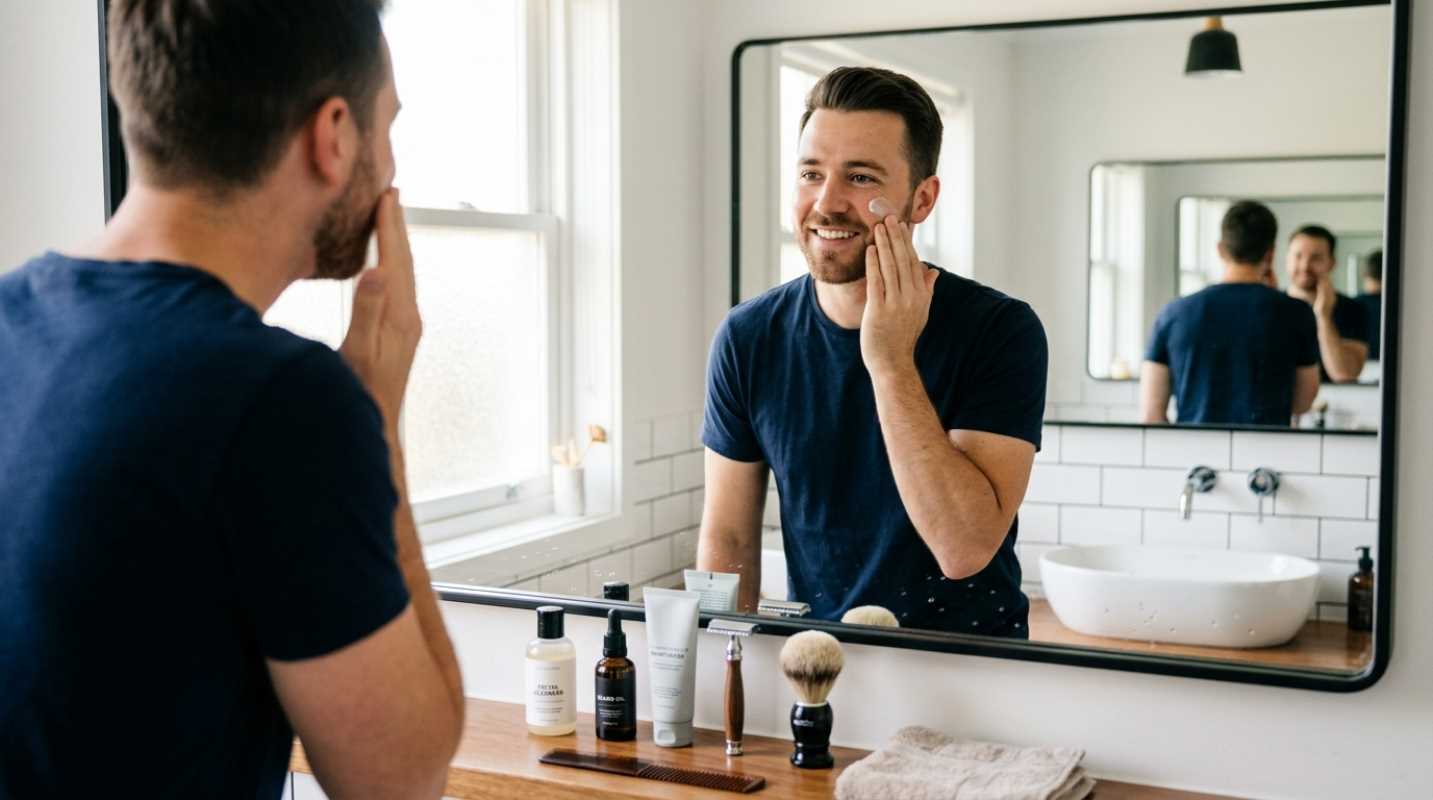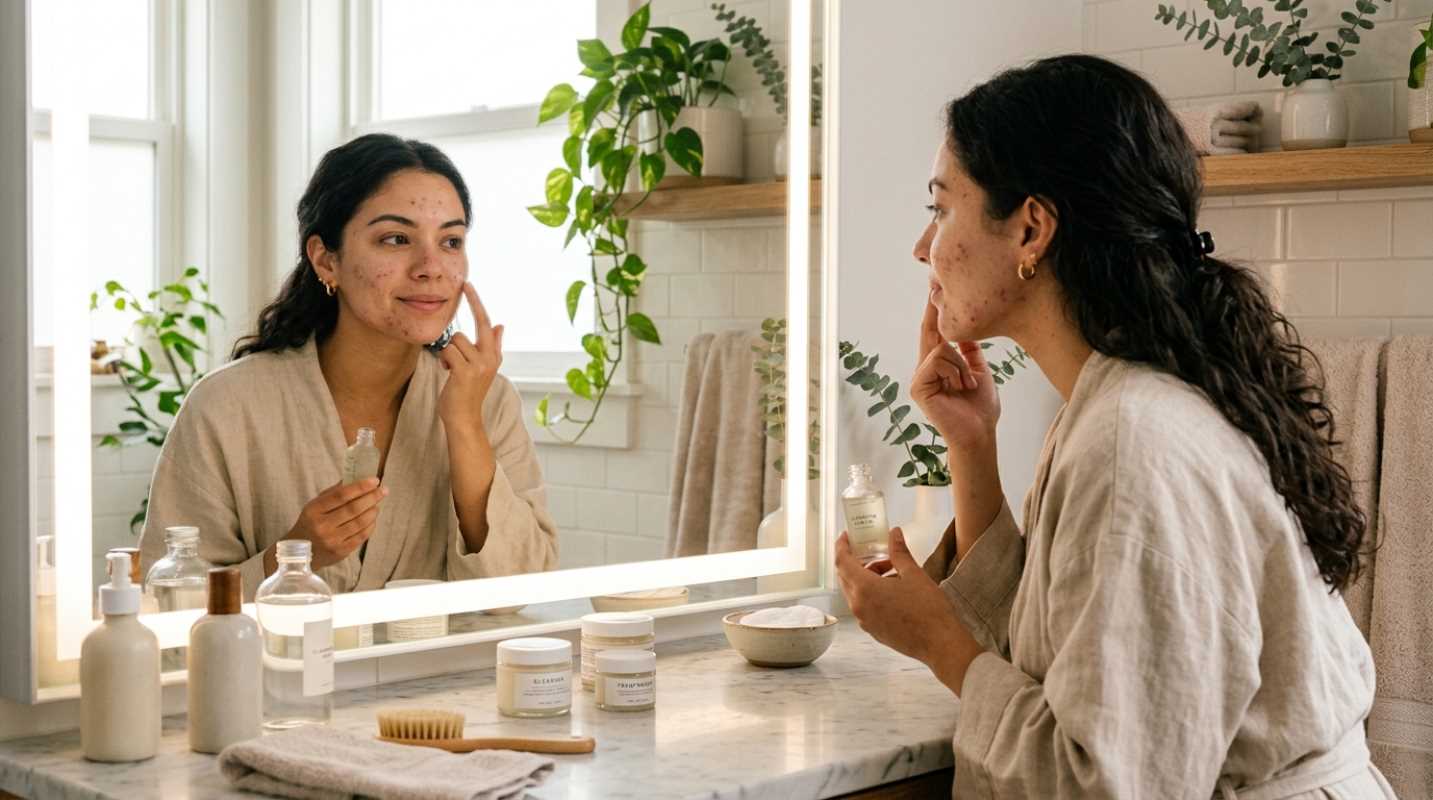
Breakouts can be thoroughly frustrating. We have all stared in the mirror, wondering why a stubborn bump decided to park itself right in the middle of our face on the morning of an important event. It feels personal, but here is the truth: acne is a genuine medical condition, not a sign of poor hygiene or personal failure.
In the United States alone, up to 50 million people deal with acne every single year.¹ It does not just target teenagers, either. Global data shows that adult acne affects millions of people in their twenties, thirties, and beyond, with women experiencing the highest rates.²
Before you head to the drugstore and pick up every harsh facial scrub on the shelf, take a breath. Slapping random spot treatments on your face without knowing what kind of acne you actually have is like taking allergy medicine for a sprained ankle. It simply won't work. Identifying your specific acne type is the first real step toward getting clear, healthy skin.
Identifying Types of Acne Beyond the Surface
Not all pimples are created equal. Dermatologists divide acne into two main categories: non-inflammatory and inflammatory. Knowing which category you are dealing with saves you time, money, and unnecessary skin irritation.
Non-inflammatory acne is usually mild and does not cause painful red swelling. It boils down to clogged pores from excess oil (sebum) and trapped dead skin cells.
• Blackheads (Open Comedones): Pores clogged with dead cells and oil that remain open to the air. Oxygen oxidizes the trapped debris, giving it a dark surface appearance.
• Whiteheads (Closed Comedones): Blocked pores covered by a thin layer of skin, appearing as small, flesh-colored or white bumps.
Inflammatory acne happens when bacteria get trapped inside those clogged pores, triggering redness, swelling, and soreness.
• Papules: Small, red or pink tender bumps. They feel slightly raised and do not have a visible pus-filled tip yet.
• Pustules: Classic pimples filled with visible yellow or white pus at the center, surrounded by inflamed skin.
• Nodules: Deep, painful, hard lumps beneath the skin surface. They feel firm and often stick around for weeks.
• Cysts: Large, soft, fluid-filled lesions beneath the skin. Cysts carry a high risk of permanent scarring and dark spots.
You might also notice patterns in where or when your breakouts show up. Hormonal acne usually clusters around your lower face, jawline, and chin as deep, tender bumps that flare up in monthly cycles. Truncal acne, often called chest or back acne, flares up on your body when sweat, heat, and tight clothing trap oil against the skin.
The Battle Plan Over-the-Counter vs Prescription Treatments
Once you know what you are looking at, you can pick the right tools for the job. If you have light blackheads or occasional whiteheads, over-the-counter (OTC) options are a great starting point.
For mild breakouts, two active ingredients dominate store shelves
• Salicylic Acid: A beta-hydroxy acid that dissolves excess oil and penetrates deep into pores to clear out dead skin cells. Excellent for non-inflammatory blackheads and whiteheads.
• Benzoyl Peroxide: A powerful antimicrobial agent that kills acne-causing bacteria on contact. It oxidizes the pore environment so bacteria cannot survive, and unlike traditional antibiotics, bacteria do not build resistance to it.
When OTC options fall short, or if you deal with painful nodules, cysts, or widespread inflammation, it is time to consult a dermatologist. Updated care guidelines from the American Academy of Dermatology emphasize targeted prescription approaches rather than trial-and-error routines.³
Topical retinoids like adapalene, tretinoin, tazarotene, and newer options like trifarotene form the baseline of clinical treatment. They speed up cell turnover, keep pores clear, and calm inflammation. For moderate to severe cases, oral doxycycline remains a primary systemic antibiotic option. But modern guidelines strictly limit systemic antibiotic use to three or four months to prevent resistance, and they must always be paired with benzoyl peroxide.
For adult women facing monthly hormonal flare-ups, targeted options like topical clascoterone cream or oral spironolactone help regulate the androgen signals that trigger excess oil. If severe, scar-inducing nodular acne persists, dermatologists may recommend oral isotretinoin to reboot skin function permanently.
Building a Routine for Acne-Prone Skin
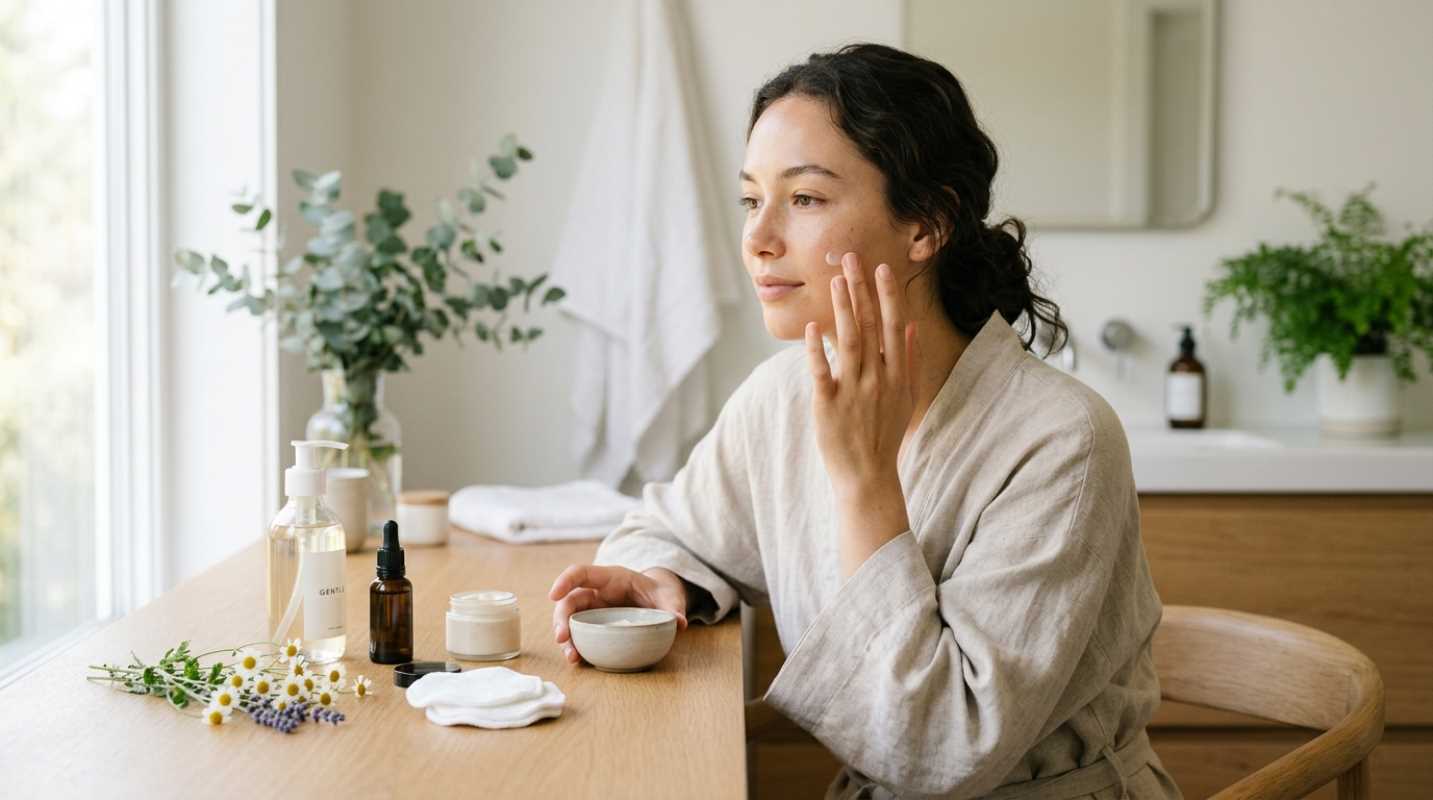
A strong active ingredient won't help if your overall routine destroys your skin barrier. Skincare does not need to involve a complicated 10-step routine. In fact, keeping things simple often works much better.
Here is a simple daily structure recommended by skin experts
1. Gentle AM Cleansing: Wash with a mild cleanser or a gentle benzoyl peroxide wash.
2. Morning Active: Apply your morning treatment, such as azelaic acid or a topical prescription.
3. Non-Comedogenic Moisturizer: Hydrate with an oil-free moisturizer containing barrier-repairing ingredients like ceramides or hyaluronic acid.
4. Broad-Spectrum Sunscreen: Finish with SPF 30 or higher. Active treatments make your skin extra sensitive to sun damage.
5. Evening Cleanse: Wash away daily grime, sunscreen, and oil with a gentle cleanser.
6. Nighttime Retinoid: Apply a pea-sized amount of retinoid to clean, dry skin across your entire face, not just on active spots.
7. Overnight Hydration: Lock in moisture with a rich, non-comedogenic night cream.
If retinoids make your skin peel or sting, try the "sandwich technique." Apply a layer of moisturizer first, let it absorb, put on your retinoid, and finish with another light layer of moisturizer. This buffers the active ingredient without ruining its effectiveness.
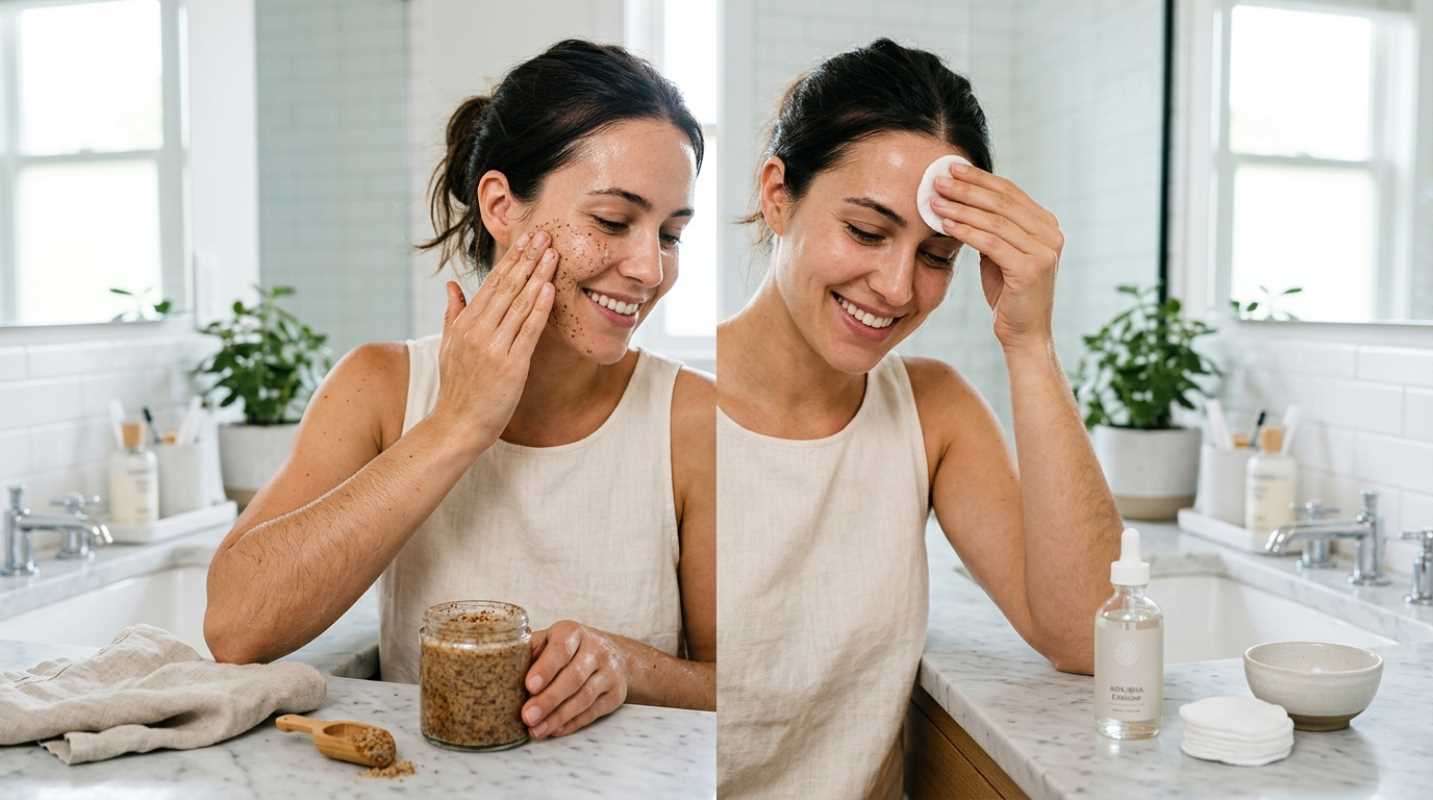
Watch out for a few common mistakes that stall progress. Over-exfoliating with multiple harsh acids will tear up your moisture barrier, causing your skin to overproduce oil in self-defense. Popping pimples pushes bacteria deeper into your dermis and almost guarantees dark marks or scarring. Finally, spot-treating retinoids on individual pimples misses the point entirely. Retinoids work by preventing future clogs, so apply them across your whole face.
Lifestyle Factors and Your Clear Skin Journey
Although topical treatments do the heavy lifting, daily habits play a supporting role in skin health. High stress triggers cortisol release, which signals your oil glands to go into overdrive. Consistently poor sleep disrupts natural skin repair processes overnight. Although food isn't the direct cause of acne for everyone, high-glycemic diets and excess dairy can trigger extra inflammation in sensitive individuals.
Remember, skin cell turnover takes time. Most acne treatments require eight to twelve weeks of consistent use before you see noticeable improvements. Jumping from product to product every two weeks only leads to skin irritation and confusion about what is actually working.
Clear skin isn't an overnight sprint. It takes patience, consistency, and the right approach tailored to your specific acne type. If over-the-counter methods aren't delivering results after a couple of months, don't suffer through it alone. Schedule an appointment with a board-certified dermatologist and build a personalized plan that works for you.
Sources:
1. American Academy of Dermatology Guidelines Update
https://www.aad.org/news/updated-guidelines-acne-management
2. MDacne Prevalence Statistics
https://www.mdacne.com/article/how-many-people-have-acne-2025-update
3. Journal of the American Academy of Dermatology Guidelines
https://pubmed.ncbi.nlm.nih.gov/38300170/
*This article on modernlifestyle is for informational and educational purposes only. Readers are encouraged to consult qualified professionals and verify details with official sources before making decisions. This content does not constitute professional advice.*