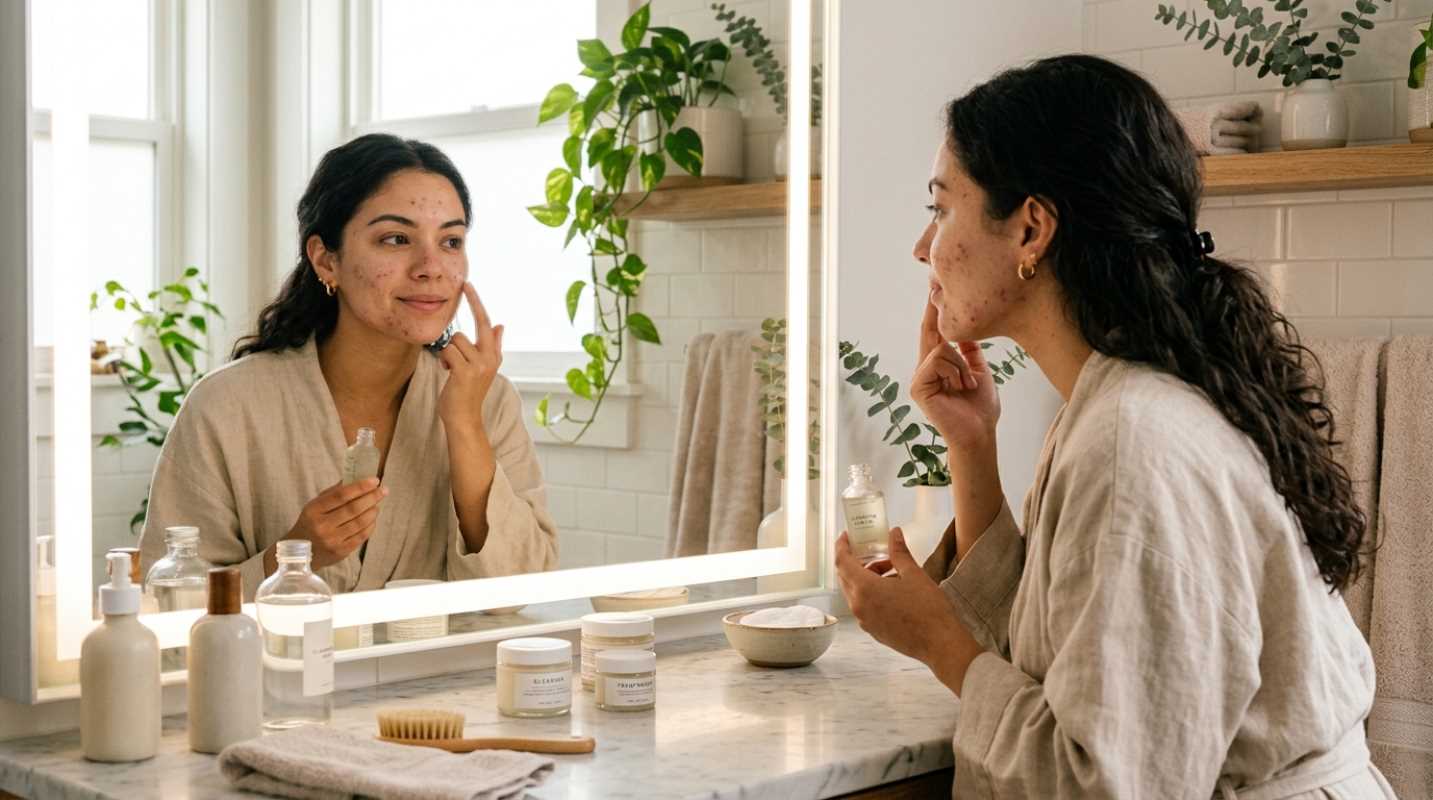
Have you ever smoothed on a brand-new moisturizer, only to feel your face instantly flush and sting? If you're nodding along, you're in good company. Clinical data shows that roughly 73% of patients across U.S. dermatology practices report having sensitive skin.¹
So what's actually happening beneath the surface? There's a clear difference between true sensitive skin and reactive skin. Sensitive skin is a persistent condition often linked to genetics or underlying issues like rosacea and eczema. Reactive skin, on the other hand, is usually a temporary temper tantrum. It happens when your skin barrier gets damaged by harsh products or environmental stress.
Understanding Your Skin - Identifying Sensitive Skin Triggers
Common triggers for skin flare-ups are often hiding in your daily environment
• Fragrance: Synthetic scents and concentrated needed oils are leading causes of allergic contact dermatitis.
• Extreme Temperatures: Freezing winds strip natural protective moisture, while intense heat triggers rapid flushing.
• Stress: High cortisol levels weaken your outer skin barrier, making your face far more vulnerable to irritation.
Before introducing any new product to your face, test it first. Apply a pea-sized amount behind your ear or on your inner arm once a day for three days straight. If no redness, itching, or swelling pops up after 72 hours, you can safely add it to your regimen.
Back to Basics - Simplifying a Routine for Reactive Skin
If your face is currently red or tight, stacking seven different serums won't fix it. Dermatologists attribute a widespread rise in skin sensitivity to heavy usage of high-percentage exfoliants and complicated multi-step routines.
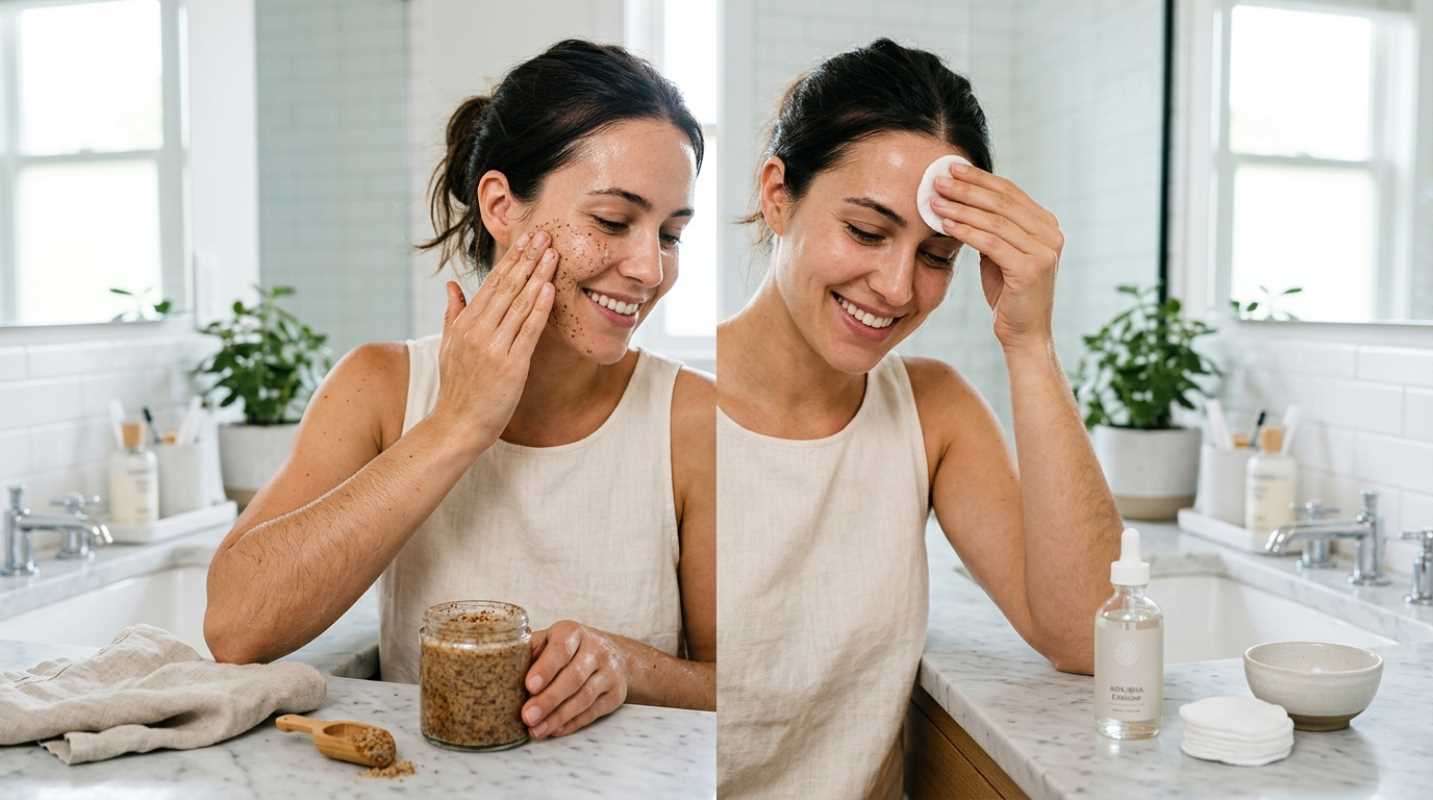
When your barrier is angry, less is always more. Think of it like putting your skin on a simple elimination diet. You want to strip away unnecessary steps, coarse physical scrubs, and harsh alcohol-based toners.
Stick to a simple three-step core framework
1. Cleanse: Wash away daily dirt without stripping natural surface oils.
2. Moisturize: Seal in hydration and rebuild missing surface lipids.
3. Protect: Shield delicate cells from UV damage with a daily mineral sunscreen.
A landmark study involving 80 dermatologists across 43 U.S. institutions confirmed that simple routines focused on basic, proven ingredients consistently outperform trend-heavy regimens.² Taking a break from complex active ingredients gives your face room to repair itself.
What to Look For - Gentle Skincare Ingredient Recommendations
To repair a compromised barrier, you need to support your skin's natural structure. Picture your outer skin layer like a brick wall. Your skin cells are the bricks, and natural lipids act as the mortar holding everything together. That protective mortar consists of roughly 50% ceramides, 25% cholesterol, and 15% free fatty acids.³ When you lose those needed lipids, moisture evaporates quickly, leaving your face exposed to outside irritants.
When shopping for gentle products, look for proven soothing ingredients
• Ceramides: These restore the lipid matrix, sealing in hydration and shielding against irritants.
• Colloidal Oatmeal: An FDA-approved skin protectant rich in beta-glucans that calms itching and redness fast.
• Ectoin: A protective molecule that forms a hydration shield around cells, helping prevent water loss over time.
• Centella Asiatica (Cica): A plant extract that cools down active flare-ups and speeds up cellular recovery.
• Zinc Oxide: A mineral sun filter that sits on top of the skin to reflect UV rays without causing chemical stinging.
On the flip side, steer clear of drying alcohols like Alcohol Denat, harsh sulfates like SLS, and aggressive glycolic acid treatments. Always check for fragrance-free labels instead of unscented ones, because unscented products often contain masking fragrances that can still trigger reactions.
The Art of Application - Treating Your Skin with Care
The products you choose are only half the story. How you actually apply them makes a massive difference in preventing daily irritation.
First, stop rubbing your skin. Excessive friction creates micro-tears and spreads surface inflammation. Instead, press and pat your creams gently into your skin using clean palms. Treat your face like fine silk rather than a dirty towel.
Next, pay close attention to water temperature. Cold water won't clean thoroughly, but hot water is much worse. Hot water dissolves your natural skin lipids and causes immediate blood vessel dilation, leading to bright red flushing. Stick strictly to lukewarm water every time you cleanse.
Finally, layer your products carefully to avoid a lot of your barrier. Always apply formulas from thinnest to thickest, waiting about 30 seconds between steps. Because damp skin absorbs ingredients more readily, apply your basic ceramide moisturizer while your face is still slightly damp from rinsing.
Consistency is Key - Maintaining Long-Term Barrier Health
Healing a damaged skin barrier requires real patience. You didn't wear down your barrier overnight, so don't expect it to bounce back in 24 hours.
If your face is actively burning or peeling right now, hit the reset button. Pause every active ingredient, including vitamin C and exfoliants. For 7 to 10 days, stick strictly to a cool-down routine consisting of water, a basic ceramide cream, and mineral sunscreen.
Know when it's time to seek professional medical advice
• Persistent Stinging: Your skin burns even when applying basic water or mild cream.
• Uncontrolled Redness: Severe flushing or rash-like patches that don't fade after two weeks.
• Oozing or Swelling: Open sores, crusting, or signs of secondary skin infections.
Once your skin settles, keep your routine predictable. True skin resilience comes from staying faithful to gentle formulas throughout the year. You might swap a lightweight lotion for a richer winter cream, but keeping your foundational barrier ingredients steady is what protects your skin long-term.
Sources:
1. Specialty Dermatology
https://www.specdermatl.com/blog/your-complete-guide-to-skin-barrier-repair-transform-your-skins-natural-defense-system-in-alpharetta/
2. Study Finds
https://studyfinds.com/dermatologists-finally-agree-major-study-reveals-skincare-ingredients-that-work/
3. LeeCosmetic
https://leecosmetic.com/analysis-of-2025-sensitive-skin-ingredient-trends-four-popular-ingredient-categories/
*This article on modernlifestyle is for informational and educational purposes only. Readers are encouraged to consult qualified professionals and verify details with official sources before making decisions. This content does not constitute professional advice.*