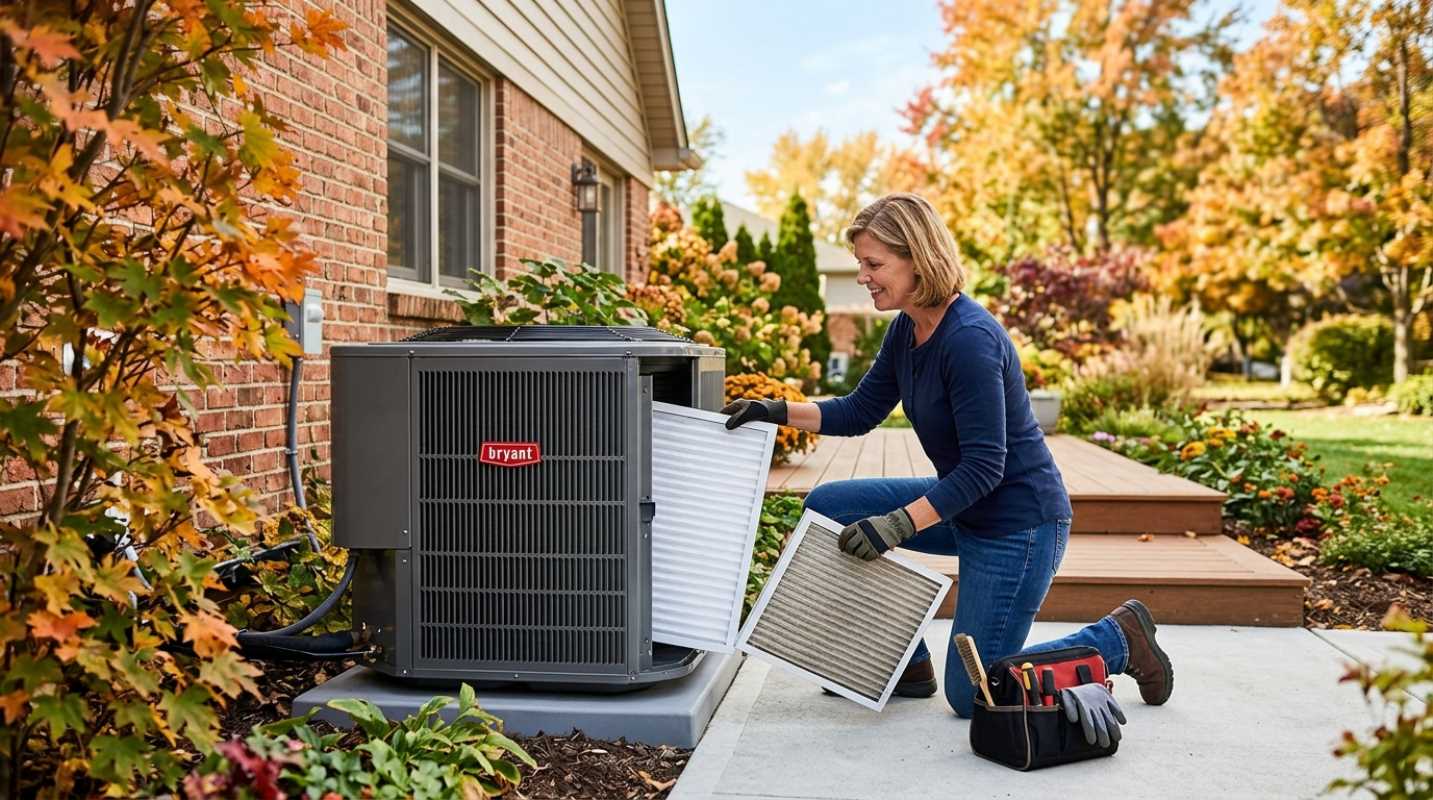
Have you ever thought about how hard your heating and cooling system works? It runs quietly behind the scenes day in and day out to keep your living spaces comfortable. Heating and cooling make up roughly 50% of the total energy consumed in an average American home.¹
Think of your HVAC setup like a high-mileage car. You wouldn't dream of driving 100,000 miles without changing the oil or checking tire pressure. Yet many homeowners expect their air conditioner and furnace to blast along nonstop without any routine attention.
Taking a proactive approach stops tiny issues from turning into expensive emergency repairs on frozen January evenings or blistering July afternoons. Simple habits protect your indoor air quality, lower your monthly utility bills, and extend the total life of your equipment.
Spring Preparation for Transitioning to Cooling Mode
When winter thaws and warm weather arrives, your system shifts from heating to cooling. Giving your air conditioner a little love in early spring make sures it runs efficiently before the first summer heatwave hits.
You don't need technical expertise to handle basic spring preparation. Here is a quick seasonal checklist you can knock out on a Saturday morning
• Clear the outdoor condenser: Remove leaves, twigs, weeds, and grass clippings around your outdoor unit. Maintain at least a 2-foot clear zone around the condenser so air can flow freely.
• Inspect refrigerant lines: Look at the copper pipes running from your outdoor unit into the house. Check for worn or missing foam insulation and replace damaged sections.
• Flush the drain line: Pour one cup of plain white vinegar down your indoor condensate drain line. This step prevents algae and mold from clogging the pipe and causing water damage inside your home.
• Test the thermostat: Switch your thermostat settings over to cooling mode and lower the target temperature. Listen for the compressor outside to engage and verify that cool air begins blowing within a few minutes.
Although you handle these external items, consider having a technician perform a professional spring tune-up. A professional can check internal refrigerant pressure, clean delicate coils, measure motor voltage, and test electrical connections.
Fall Tune-Ups to Prepare for the Winter Chill
As autumn arrives and trees shed their leaves, your home care focus switches back to heating. Autumn maintenance is important for both warmth and household safety.
Gas and oil furnaces rely on fuel combustion to warm your home. If internal components wear down, they can create serious hazards. Follow these steps every fall
• Replace dirty air filters: Put in a fresh MERV 8 to 13 pleated filter. A clogged filter restricts airflow, forces the system motor to work harder, and drives up energy costs.
• Test safety alarms: Replace the batteries in all indoor smoke detectors and carbon monoxide detectors. Working detectors are your primary defense against dangerous gas leaks.
• Keep registers clear: Walk through your rooms to confirm that supply and return vents stay unobstructed. Keeping at least 80% of your home vents open helps maintain balanced system pressure.
• Confirm pilot and ignition function: Turn your thermostat to heating mode and raise the temperature a few degrees. Make sure the burners ignite smoothly without harsh popping sounds or delayed ignition.
When a technician visits for a fall service call, they perform key safety checks. Their most important task is inspecting the heat exchanger for hairline cracks, which can leak carbon monoxide gas into your living spaces.
Identifying Red Flags That Show Your System Needs Servicing
Even with regular care, mechanical parts eventually wear out. Knowing what to look and listen for lets you catch problems before your system breaks down completely.
Pay attention to these clear warnings that your equipment needs immediate help
• Unusual mechanical sounds: Loud squealing often points to failing motor bearings, while clanking or banging suggests loose internal components like a damaged blower wheel.
• Unexpected bill spikes: An unexplained surge in your monthly power or gas bill usually means your system is struggling due to dirty coils, low refrigerant, or restricted airflow.
• Short cycling habits: If your system turns on and off constantly in rapid 2-minute bursts, it is short cycling. This strains the motor and indicates airflow blockages or failing electrical parts.
• Strange odors: A musty smell points to mold growth on indoor coils. But a rotten egg smell indicates a natural gas leak, requiring you to evacuate immediately and call your utility company.
• Hot and cold spots: Temperature inconsistencies from room to room signal leaky ductwork, improper air balancing, or a struggling compressor.
The Long-Term Payoff of Protecting Your Investment
Keeping up with maintenance might feel like one more item on your endless home task list. But the financial payoff is substantial.
Department of Energy studies reveal that over 65% of residential HVAC systems perform far below their capability due to minor maintenance oversights.² Routine care fixes those hidden issues, cutting monthly energy bills by 10% to 30% and reducing sudden breakdowns by over 70%.
Most central air units and heat pumps last between 10 and 15 years, while gas furnaces can last up to 20 years with proper care.³ When an older unit starts requiring frequent repairs, try using the industry standard 5,000 rule. Multiply the age of your unit in years by the estimated repair cost in dollars. If the total is over 5,000, replacing the system makes far better financial sense than fixing it.
For basic upkeep like swapping filters, cleaning around outdoor units, and flushing drain lines, DIY works great. But for electrical checks, refrigerant leaks, and heat exchanger inspections, leave the work to trained professionals.
If you are looking for trusted tools, smart thermostats, or service providers to keep your heating and cooling running smoothly, check out these top options
Taking time each spring and fall to go through this checklist protects your budget, keeps your air clean, and make sures your home stays comfortable every single day of the year.
Sources:
1. HVAC Statistics - ServiceTitan
https://www.servicetitan.com/blog/hvac-statistics
2. Field Study to Characterize Fault Prevalence in Residential Comfort Systems - Energy.gov
https://www.energy.gov/cmei/buildings/field-study-characterize-fault-prevalence-residential-comfort-systems
3. When to Replace Your Heating or Cooling System - ENERGY STAR
https://www.energystar.gov/saveathome/heating-cooling/replace