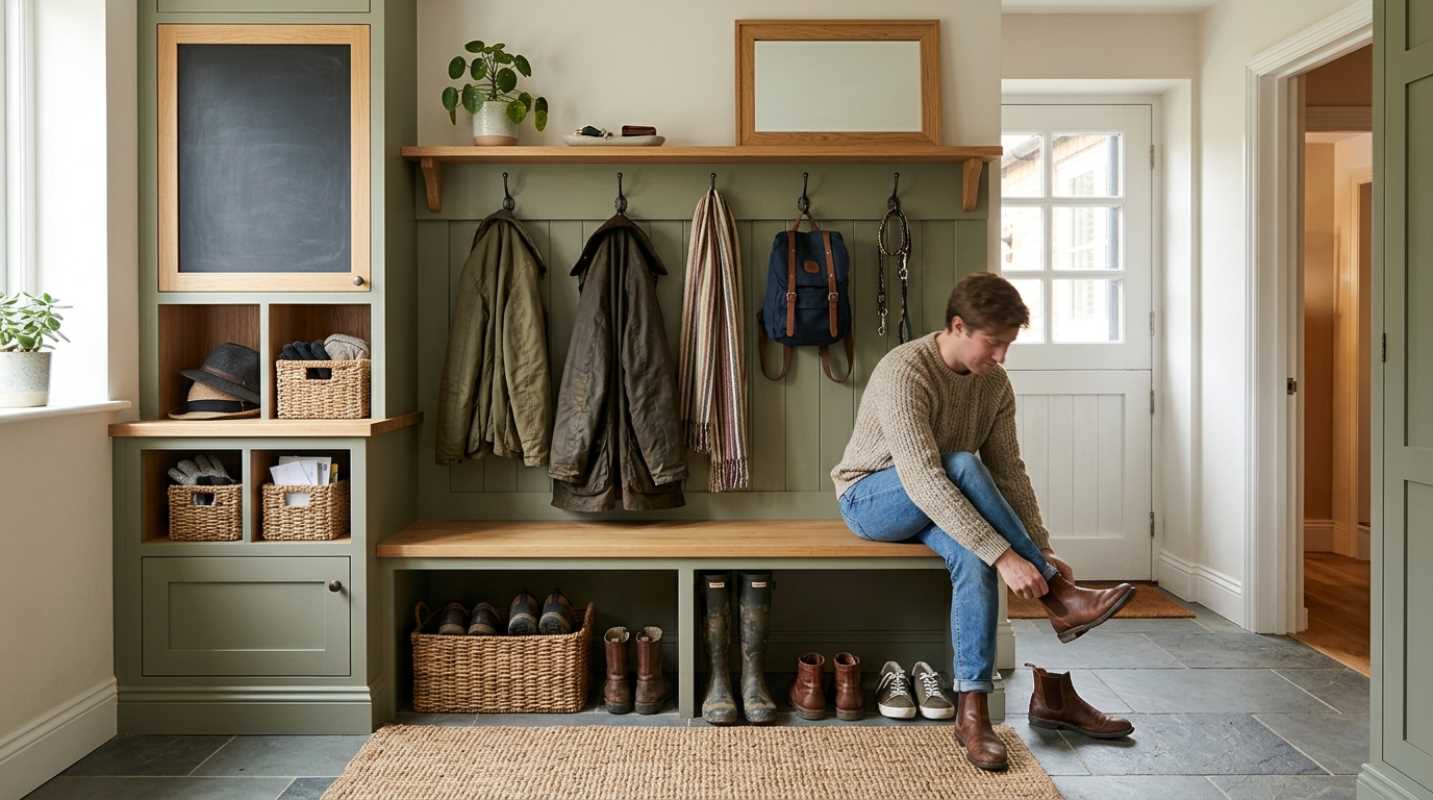
Have you ever stepped through your front door after a long day, only to trip over a stray pair of shoes, drop your bag on the floor, and immediately feel your stress levels rise? You are definitely not alone. That initial entryway chaos sets the tone for your entire evening.
Think of a mudroom as your home's launch area or landing pad. It is the buffer zone between the outdoor elements and your living space. When you have a dedicated spot to shed daily items, your whole house feels lighter, calmer, and much easier to keep clean.
The biggest myth about mudrooms is that you need a massive, dedicated room to make one work. That is simply not true. With average home footprints trending smaller, designers are shifting away from sprawling utility rooms in favor of micro drop-zones embedded into hallways and nooks.¹ Whether you have a tight entry corridor, a corner near the back door, or a shallow hallway closet, you can create a functional mudroom that fits your space.
Getting the most from Footprint and Storage Solutions for Small Spaces
When square footage is tight, floor space becomes prime real estate. You cannot afford to clutter the ground with bulky furniture, so the best approach is to look up. Vertical storage saves small spaces every single time.
• Vertical Wall Systems: Mount hooks at varying heights and install floating shelves close to the ceiling. Keep daily items within arm's reach and send seasonal gear up high.
• Multifunctional Benches: Choose a seating bench that does double duty. Look for options with built-in shoe cubbies underneath or a lift-up seat with hidden storage inside.
• Floating Cabinets: Wall-mounted cabinetry keeps floor space completely clear underneath. This creates an optical illusion that makes small entryways feel larger while keeping shoes off the ground.
• Closet Conversions: Remove the doors from a shallow hallway closet and install a fitted bench, a row of hooks, and top cubbies. An underused closet quickly becomes a custom recessed drop zone.
If you are looking for specific gear to build out your entryway drop zone, here are a few top-rated items to consider.
High Traffic Design and Durable Materials
A mudroom takes a real beating. Rain, mud, road salt, and heavy foot traffic will wear down delicate materials fast. If you want this space to look great for years, durability needs to be a top priority.
Start from the ground up. High-moisture transition zones need non-porous flooring like porcelain tile or luxury vinyl plank. Tile laid in a herringbone pattern or a slate look offers texture and water resistance. If you live in a snowy climate, adding radiant floor heating under tile helps wet boots dry in half the time while keeping feet warm.
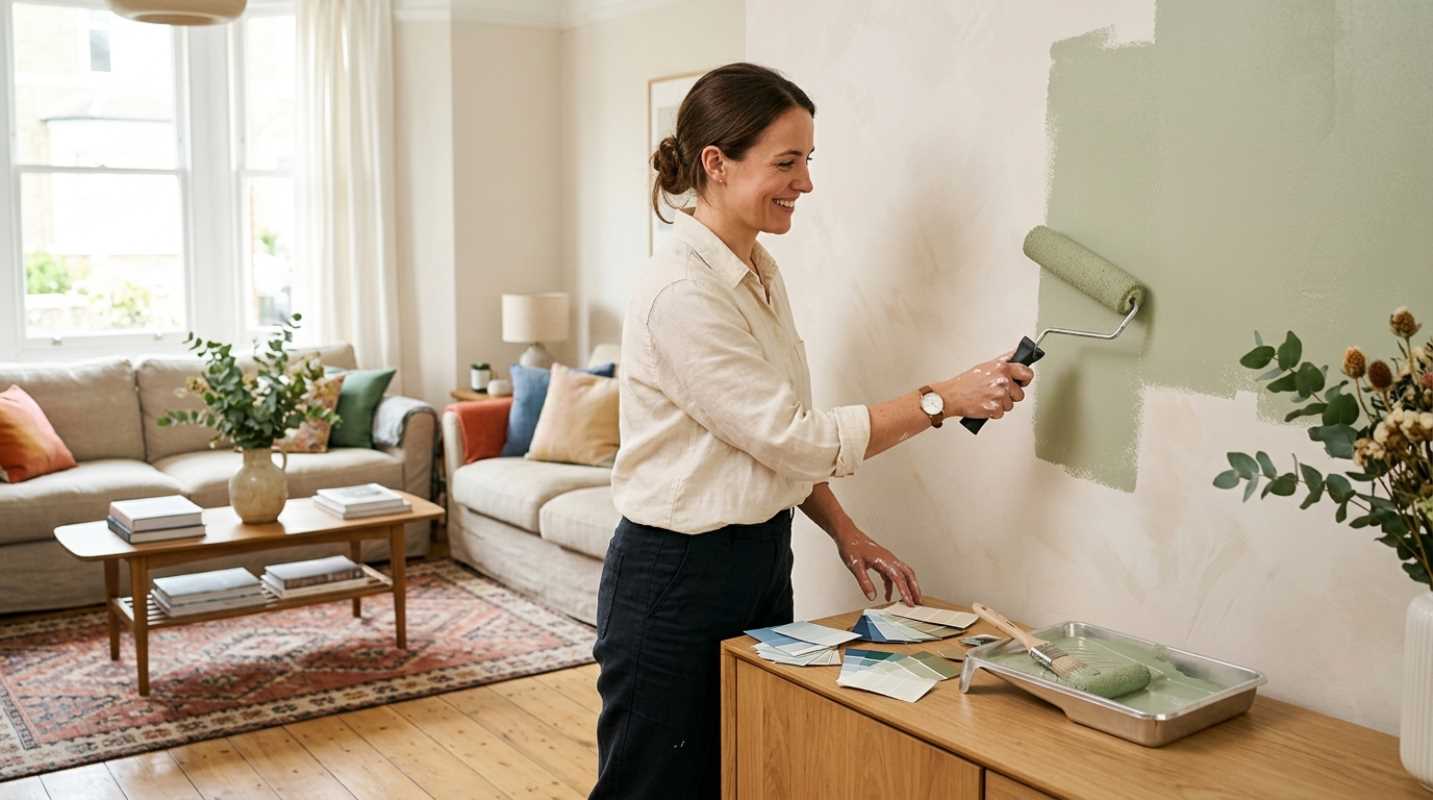
When selecting paint, skip flat finishes. Choose a satin or semi-gloss finish that wipes clean with a damp sponge without stripping the color. Speaking of color, stark white entryways are making way for warmer shades. Design data shows that 71% of homeowners prefer warm, personalized colors over plain white, with 76% favoring natural green tones.² Rich forest greens, warm taupes, and dusty blues hide scuffs far better than stark white walls.
For textiles, stick to high-performance, washable options. Outdoor-grade runners and machine-washable rugs catch dirt before it spreads into your main rooms, and performance fabrics on bench cushions resist spills and fading.
Entryway Organization Ideas for Every Family Member
A mudroom only works if everyone in your household actually uses it. If backpacks and mail still end up on the kitchen counter, your system might need a quick reset.
• Individual Zones: Give each family member their own hook, basket, or cubby. When everyone has a specific spot, morning departures run much more smoothly.
• Kid-Height Hooks: Mount a second row of hooks lower down specifically for children. They can hang up their own coats and backpacks without asking for help.
• Labeled Baskets: Use woven or wire bins for loose items like dog leashes, gloves, hats, and sunglasses. Labeling each basket keeps smaller items sorted by category or owner.
• Seasonal Gear Rotation: Do not let winter coats crowd your entry in July. Rotate seasonal gear out every six months, moving off-season items to upper cabinets or long-term storage.³
The Finishing Touches for Lighting and Aesthetics
Function comes first, but your entryway should also feel welcoming. It is the very first sight that greets you when you come home.
Lighting makes a huge difference in tight or dark entryways. Flush mounts, wall sconces, or hidden LED strips under floating shelves keep the area bright so you are never hunting for lost keys in the dark. Hanging a mirror above a bench is another easy win. It reflects light, visually opens up narrow spaces, and gives you a spot for a quick check before walking out the door.
Tie the mudroom into the rest of your home decor so it feels integrated. You can add character with subtle architectural details like vertical beadboard paneling, warm white-oak accents, and stylish hardware in brushed brass or matte black.
Start Small and Stay Consistent
You do not need to execute a complete renovation overnight to get an organized entryway. Start small. Put up a row of sturdy hooks this weekend, bring in a shallow bench, and lay down a durable rug by the door.
Once your setup is in place, keeping it functional comes down to simple daily habits. Take two minutes every evening to clear off bench surfaces and return stray items to their baskets.
An organized entrance changes how you experience your entire home. By catching the chaos right at the door, you set a calm, orderly tone for everything else inside.
Sources:
1. Modern Mudrooms: The Must-Have Everyday Entry
https://www.classicahomes.com/blog/modern-mudrooms-the-musthave-everyday-entry-for-2025/
2. NKBA 2025 Kitchen Trends Report
https://nkba.org/research/2025-kitchen-trends-report/
3. Small Mudroom Solutions
https://www.completeclosetdesign.com/blog/small-mudroom-solutions