If you live anywhere coastal, tropical, or sticky during summer, you know the feeling. You step outside, and the muggy air hits you like a warm blanket. But while high humidity makes for lush greenery outdoors, it turns your home into a high-stakes battleground for mold growth.
Why does this happen so easily? Fungi are simple organisms with basic needs. They require oxygen, temperatures between 40°F and 100°F, organic material to eat, and liquid water or heavy moisture. Since you cannot strip drywall or wood framing out of your home, relative humidity is the primary variable you can actually manage.
Microscopic mold spores drift through the air constantly. On their own, spores are mostly harmless. But once dampness enters the picture, those spores land, germinate, and send roots into porous household surfaces. Catching this early makes all the difference. Left unchecked, fungal growth breaks down building materials and releases allergens into your living spaces. In fact, public health data indicate that nearly 47% of residential buildings in the United States show evidence of visible mold or dampness.¹
Identifying the Common Causes of Household Mold
How does all that moisture manage to settle inside your home in the first place? It usually comes down to poor air movement and trapped indoor humidity.
When warm air meets a cool interior surface, condensation happens almost instantly. Think about a cold glass of iced tea sitting on a patio table. Now imagine that exact sweating process taking place out of sight, behind your living room drywall or along your window frames.
The most frequent causes of indoor mold include
• Bathroom steam: Hot showers release massive amounts of vapor that cling to walls and ceilings if not vented outside.
• Plumbing drips: Minor leaks under sinks, near water heaters, or behind washing machines frequently go unnoticed only after mold colonies take root.
• Window condensation: Poorly insulated windows gather moisture overnight, dripping water directly onto wooden sills.
• Blocked airflow: Pushing bulky furniture flush against exterior walls creates stagnant air pockets where moisture gets trapped.
In hot, humid regions, waiting for a visible water stain to appear is a mistake. Taking a proactive stance means watching for damp spots and keeping air moving before spores get comfortable.
Proactive Mold Prevention Techniques
Stopping mold before it gets started comes down to smart humidity control and proper HVAC habits.
Start by checking your thermostat settings. If you keep your thermostat fan set to "ON" continuously, you might be unintentionally raising your indoor humidity. When the fan runs non-stop, it blows air across damp cooling coils after the system cycles off, pushing re-evaporated moisture back into your rooms. Always leave your fan set to "AUTO".
Next, pay close attention to your indoor relative humidity. Building science standards recommend keeping indoor relative humidity levels strictly between 30% and 50%.² Anything sustained above 60% creates ideal conditions for fungal growth.
Here are the best ways to hit those target humidity numbers
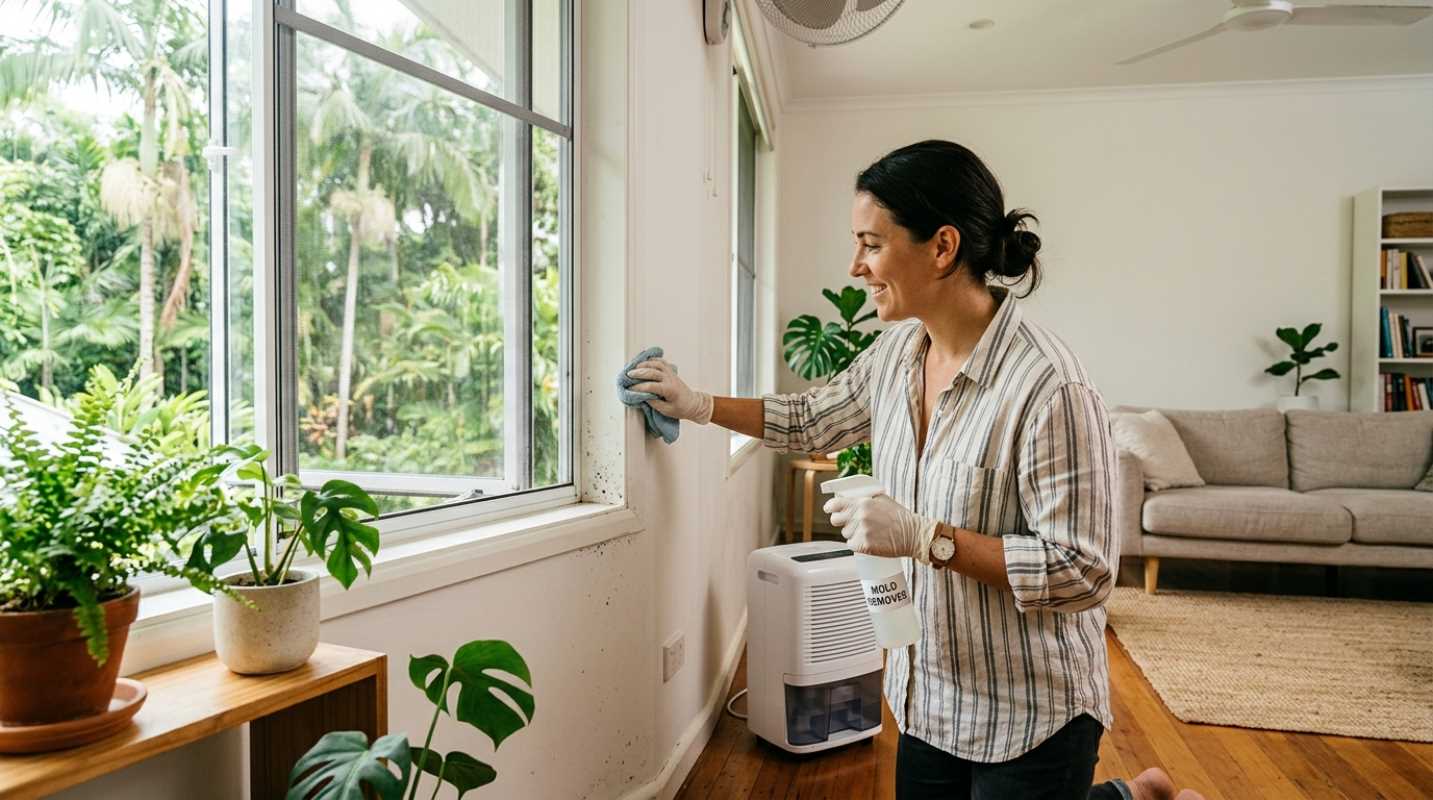
• Install supplemental dehumidifiers: Air conditioners cool indoor air rapidly, but modern systems often turn off before stripping out latent humidity. A dedicated dehumidifier pulls excess water from the air without overcooling your home.
• Run mechanical exhaust fans: Turn on kitchen and bathroom exhaust fans before cooking or showering, and let them run for at least 20 minutes afterward.
• Space out your furniture: Leave a few inches of clearance between heavy dressers and exterior walls to promote healthy air movement.
• Manage houseplant moisture: Excess water from potted plants off-gasses directly into your rooms, so avoid overwatering and make sure pots drain properly.
Safe Mold Removal Methods That Actually Work
What should you do when you spot a patch of dark fuzz under the bathroom sink or along a closet baseboard? First, take a deep breath. Small outbreaks are common and manageable if you address them correctly.
A frequent mistake homeowners make is spraying chlorine bleach directly onto moldy drywall or wood. Bleach consists mostly of water. When applied to porous materials, the chlorine stays on the surface while the water sinks deeper into the substrate, feeding the underlying mold roots.
For minor cleanup jobs covering less than 10 square feet, follow this straightforward cleanup process:³
1. Put on protective gear: Always wear safety goggles, rubber gloves, and an N95 respirator mask before handling contaminated materials.
2. Isolate the work space: Close interior doors and open nearby windows to prevent loose spores from drifting into clean rooms.
3. Clean hard surfaces: Scrub non-porous items like tile, glass, or vinyl using warm water mixed with household detergent or an EPA-registered fungicide.
4. Discard contaminated porous goods: Drywall, carpeting, or ceiling tiles soaked with heavy mold growth cannot be fully disinfected. Seal them in plastic bags and throw them away.
5. Dry the area completely: Use fans and dehumidifiers to make sure the surface dries within 24 to 48 hours.
If fungal contamination covers more than 10 square feet, or if it sits inside your central HVAC ductwork, skip the DIY approach. Large jobs require professional remediation technicians who use containment barriers, negative air pressure machines, and specialized HEPA vacuums to clean your home safely.
Maintaining a Mold-Free Sanctuary
Keeping a home clean in a sticky climate requires steady, simple habits rather than frantic, occasional cleanups. Once you set up effective moisture barriers, routine maintenance keeps your indoor air clear and fresh.
Establish a regular seasonal home maintenance routine
• Inspect air conditioning drain lines: Clear condensate lines every few months to prevent water backups and overflow.
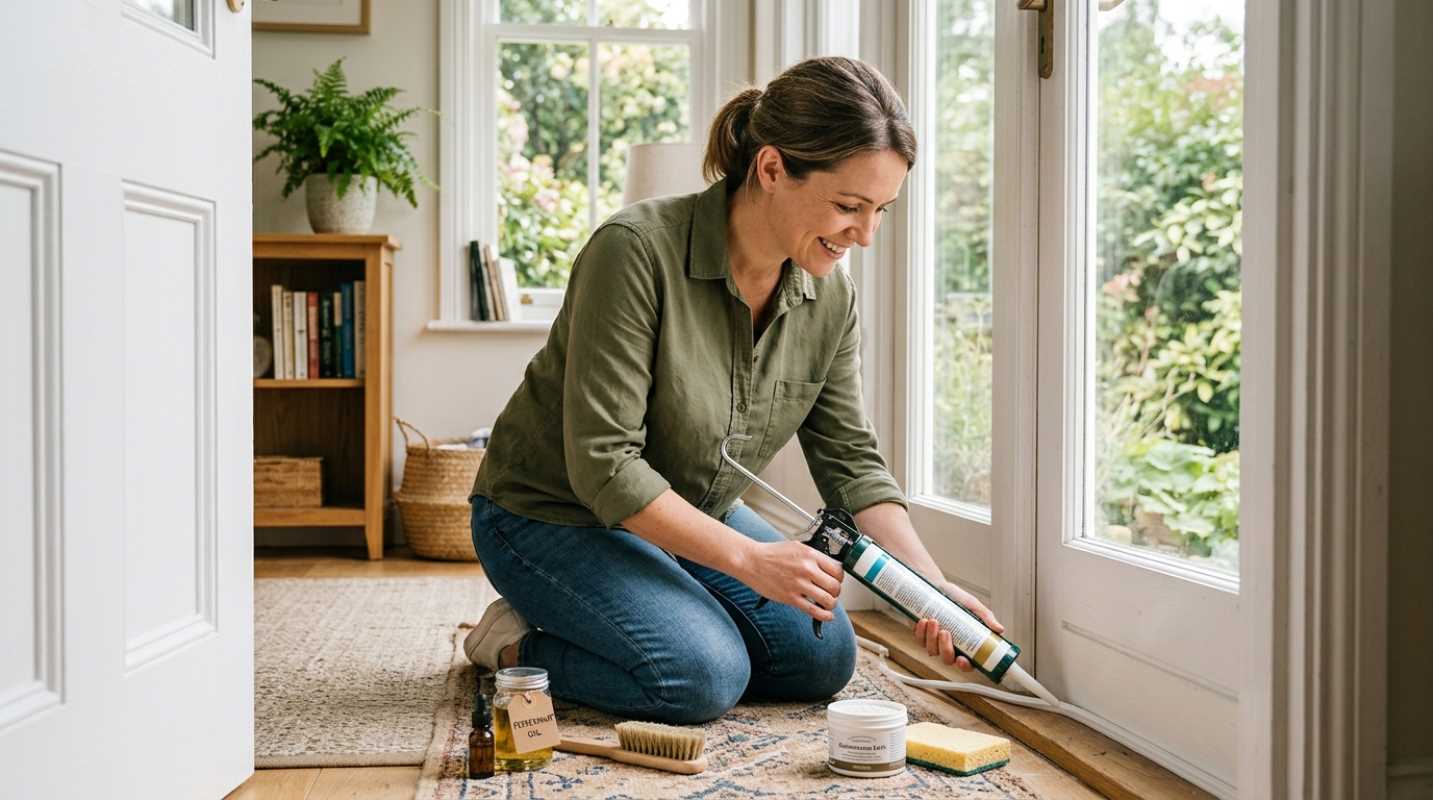
• Check window and door seals: Re-caulk weathered seals around doors and window panes before humid seasonal weather arrives.
• Track indoor moisture: Use a simple digital hygrometer in your living areas to track daily relative humidity changes.
• Clean vent covers: Clear away dust accumulation on exhaust fan grilles so air vents out at full capacity.
If you ever catch a persistent musty smell without seeing visible growth, or if family members develop unexplained coughing or nasal congestion, contact a certified indoor environmental professional. They can conduct air sampling tests and find hidden moisture leaks behind your walls.
Managing indoor humidity requires attention, but it pays off in comfort and peace of mind. By controlling moisture levels and acting promptly at the first sign of water, you can keep your home healthy, safe, and comfortable no matter what the weather looks like outside.
Sources:
1. EPA - A Brief Guide to Mold, Moisture and Your Home
https://www.epa.gov/mold/brief-guide-mold-moisture-and-your-home
2. Recommended Indoor Humidity Levels
https://indoorhumidity.com/indoor-humidity/recommended-indoor-humidity-levels-epa-cdc-ashrae/
3. CDC Mold Prevention and Clean Up Guide
https://www.cdc.gov/mold/pdfs/you_can_control_mold.pdf
*This article on modernlifestyle is for informational and educational purposes only. Readers are encouraged to consult qualified professionals and verify details with official sources before making decisions. This content does not constitute professional advice.*