When you step into a room, what is the first thing your senses register? You might think it is the wall color or the statement lighting fixture hanging from the ceiling. In reality, your eyes and feet immediately connect with the floor.
Flooring forms the literal and visual base of your entire home. It ties your architectural details together, dictates how natural light moves across a space, and sets the tone for your furniture. If your floors feel dated, worn, or mismatched, the most expensive sofa in the world will not fix the room.
Upgrading your flooring is one of the most rewarding home improvements you can make. The National Association of Realtors consistently finds that hard surface flooring brings the highest buyer interest, with hardwood refinishing recovering up to 147 percent of its project cost at resale. Finding the right balance between high-end style, daily comfort, and practical durability is the real key to a successful renovation.
Understanding the Material Comparison
Choosing the right flooring material means looking past surface aesthetics. You need to understand how each option behaves under real-world conditions like foot traffic, spills, and climate shifts.
• Solid Hardwood: The gold standard of traditional interior design. Created from single planks of timber, it lasts anywhere from 50 to over 100 years because you can sand and refinish it four to seven times. Woods like White Oak (rated at 1,360 pounds-force on the Janka hardness scale) and Hickory (1,820 Janka) offer great scratch resistance, though solid wood remains vulnerable to moisture and humidity swings.
• Engineered Hardwood: Built with a real wood veneer (typically 2mm to 6mm thick) over a multi-ply core. It gives you the authentic look, grain, and warmth of solid timber while providing better dimensional stability over concrete subfloors and in regions with fluctuating humidity.¹
• Luxury Vinyl Plank (LVP): A standout performer for busy households. High-end rigid Stone Plastic Composite (SPC) vinyl is 100 percent waterproof and uses a protective wear layer between 12 and 20+ mils thick. It handles pet claws, dropped items, and heavy spills without breaking a sweat.
• Porcelain and Ceramic Tile: Rated on the Porcelain Enamel Institute (PEI) scale from Class I to Class V. Porcelain absorbs less than 0.5 percent moisture, making it practically impervious to water. It lasts 50 to 75 years and pairs seamlessly with radiant floor heating systems.
• High-Performance Laminate: Modern laminates feature Abrasion Criteria (AC) ratings of AC4 or AC5, making them exceptionally tough against surface scratches and daily wear, offering an affordable option for active households.
Room by Room Suitability and Function
Every zone in your home deals with different daily demands. Laying the same delicate flooring across every square foot can lead to premature wear and expensive repairs down the road.
Kitchens and open-concept living rooms require materials that bridge comfort with spill resistance. Wide-plank engineered white oak is a designer favorite here because it handles small moisture changes near dishwashers while keeping your main floor looking cohesive. If you have an active kitchen with frequent spills, 20-mil SPC luxury vinyl gives you that same seamless wood look with zero water anxiety.
Bathrooms and laundry rooms demand total water defense. Large-format porcelain tiles (such as 24-by-48-inch slabs) create a clean, spa-like feel while reducing grout lines that catch dirt and mildew. Natural slate or marble herringbone mosaics also work well in primary bathrooms if you remember to seal them periodically against cosmetic stains.
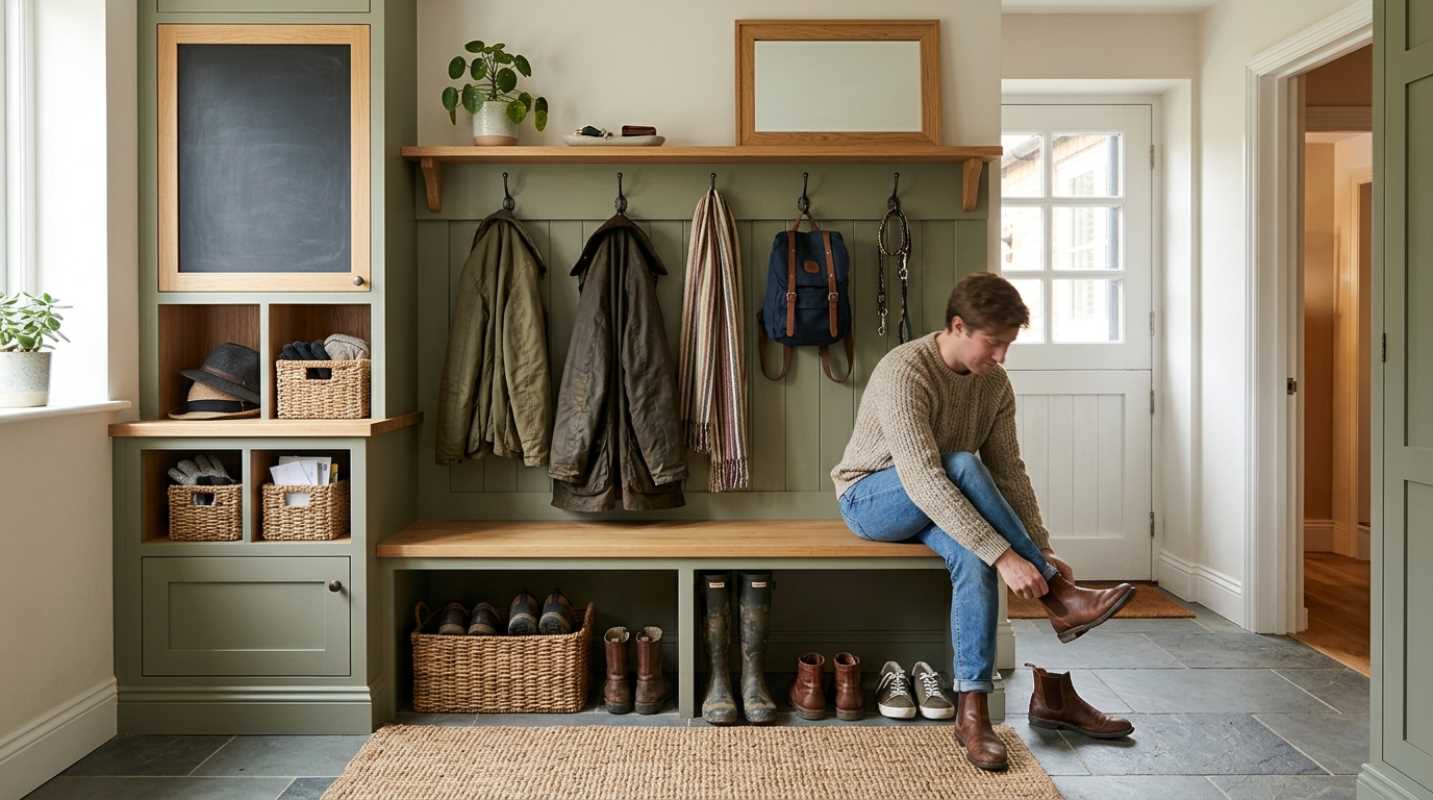
Entry foyers and mudrooms take the brunt of outside grit, snow, and rain. You need high abrasion resistance here. Patterned porcelain tiles, natural cleft slate, or dense European oak hold up well against wet boots while establishing an immediate sense of arrival at your front door.
Basements and lower levels are prone to subfloor moisture rising through concrete slabs. Never install solid hardwood in a basement, as it will cup and buckle over time. Instead, choose click-lock SPC luxury vinyl plank with an attached acoustic underlayment to keep the floor warm, quiet, and completely protected against dampness.
The Strategic Tradeoff Between Style and Durability
Do you have to sacrifice luxury aesthetics to get a floor that survives kids and large dogs? Not anymore.
In the past, pet owners had to settle for cheap-looking vinyl sheets or cold tile everywhere. Today, manufacturers use Embossed-in-Register (EIR) technology to press realistic 3D textures into luxury vinyl and composite planks. The surface grain matches the printed wood pattern underneath with startling precision, giving you the visual depth of wire-brushed timber alongside total scratch and water resistance.
If you love authentic wood but have a high-energy home, pay attention to the wood species. A softer wood like American Walnut (around 1,010 Janka) will dent easily under pet nails or heavy dropped toys. Switching to Hickory or White Oak gives you natural wood beauty with far higher impact tolerance.
Trends and Finishing Touches for Modern Homes
Flooring trends have evolved past cold aesthetics into warmer, more organic styles.² If you are planning an upgrade, keep these current design movements in mind
• Warm Earthy Tones: Cool, stark gray floors are out. Designers are favoring warm greige, honey-toned oak, mushroom taupe, and rich mocha tones that add natural warmth to neutral walls.
• Herringbone and Chevron Patterns: Classic parquet layouts have made a massive comeback in foyers, dining areas, and primary bedrooms, adding architectural character to both historic and modern layouts.³
• Ultra-Wide and Long Planks: Straight plank installations are trending wider (7 to 9.5 inches) and longer (up to 8 feet). Fewer seams make open living rooms feel noticeably larger and less cluttered.
• Low-Luster Finishes: High-gloss polyurethane has been replaced by ultra-matte, low-sheen clear coats. Matte finishes hide everyday dust, micro-scratches, and dog fur far better while showing the raw grain of the material.
• Sustainable Materials: Eco-conscious options like FSC-certified European oak, cork, and compressed bio-composites like hemp flooring (which tests over 2,000 pounds on the Janka scale) are seeing strong demand for non-toxic indoor air quality.
To protect your investment once installation day arrives, always let wood materials acclimate to your home's temperature and humidity for several days before laying them down. Add heavy-duty felt pads under all furniture legs, place quality walk-off mats at exterior entryways, and clean with manufacturer-recommended damp mops rather than harsh steam cleaners. With the right foundation underfoot, your home will look exceptional and perform reliably for decades.
Sources:
1. Best Flooring Designs of the Year
https://superiorcustomflooring.net/best-flooring-designs-of-the-year-2024-2025/
2. Flooring Trends
https://embeltonflooring.com/blogs/flooring-blog/6-flooring-trends-for-2025
3. Herringbone Wood Flooring Trends
https://www.accio.com/business/herringbone-wood-flooring-trends