Have you ever climbed into bed, pulled up the covers, and suddenly wondered if you locked the back door? We have all been there. Your home should be your personal sanctuary, the one place where you can kick off your shoes, unwind, and leave the stress of the outside world behind.
True home security is not something you should only think about after a scare in the neighborhood. Waiting until a break-in occurs turns security into a reactive, stressful scramble. When you take small, proactive steps today, you create real peace of mind for yourself and your family. Building a safe haven does not require turning your house into a military compound. You just need practical habits, a few clever physical reinforcements, and smart digital choices.
The Power of a Layered Security Approach
Think of your home security like the layers of an onion. If an intruder attempts to target your house, they should have to work through several distinct obstacles before they ever get close to your living room.
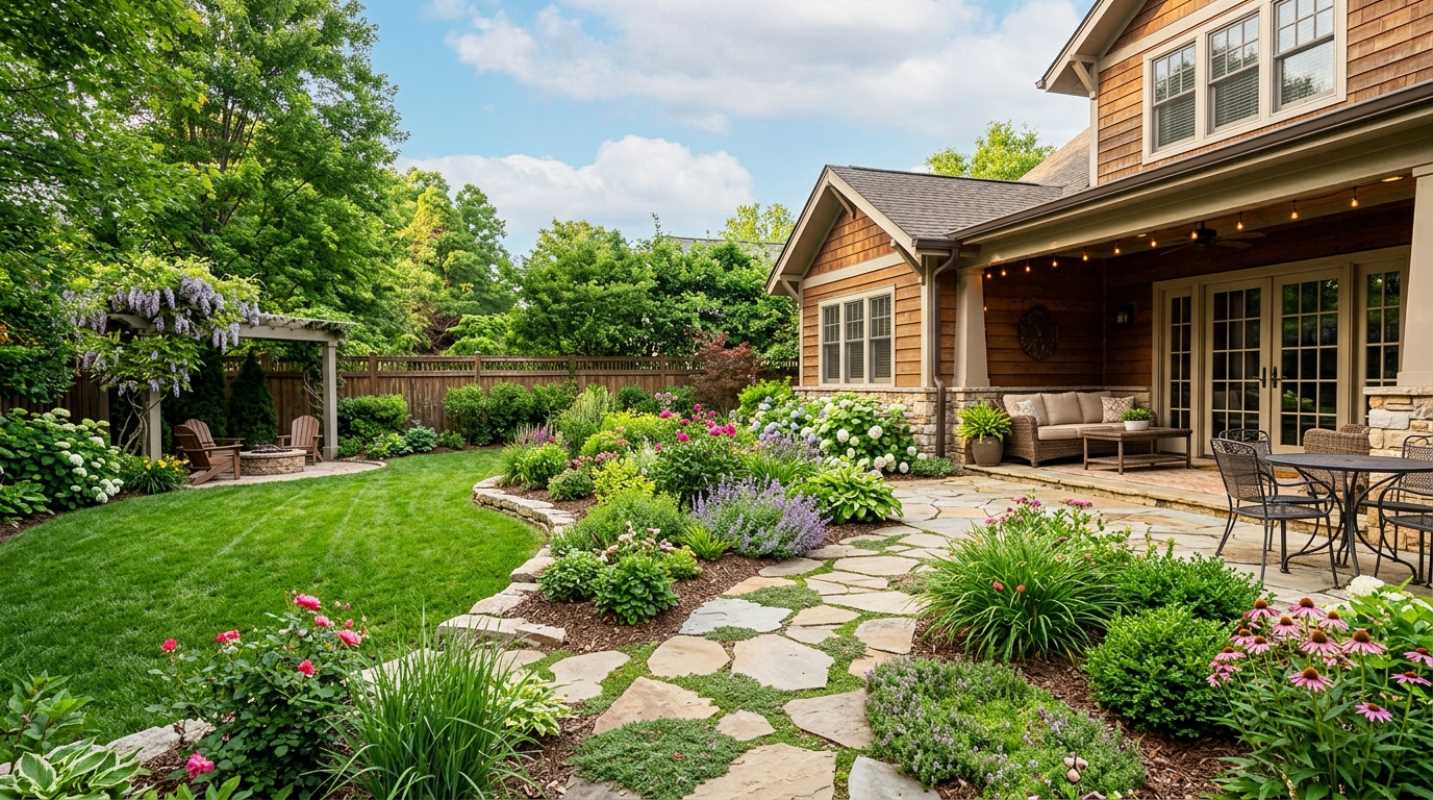
The first layer starts at the edge of your property. This includes your front yard, fences, outdoor lighting, and driveway. The second layer protects your physical entry points, such as doors, windows, and garage access. The final layer sits inside your living space, consisting of interior motion detectors, alarms, and safe storage for valuables.
Why does this layered defense matter so much? Burglars look for fast, low-effort targets. In fact, over 60 percent of residential break-ins happen during daylight hours when homes are empty, with about 34 percent of intruders walking straight through the front door.³ When you create visible friction at the outer boundaries, most opportunists will simply walk away and move on to an easier target.
Smart and Budget-Friendly Upgrades
You do not need to spend thousands of dollars on expensive hardware to make your property significantly safer. A few inexpensive tweaks to your doors and landscaping can stop a forced entry before it starts.
• Reinforce door strike plates: Standard builder-grade door frames come with tiny three-quarter-inch screws that barely catch the soft wood trim. Swap those out for three-inch hardened steel screws. This anchors the strike plate and hinges directly into the structural wall studs, making it nearly impossible to kick the door open without heavy tools.
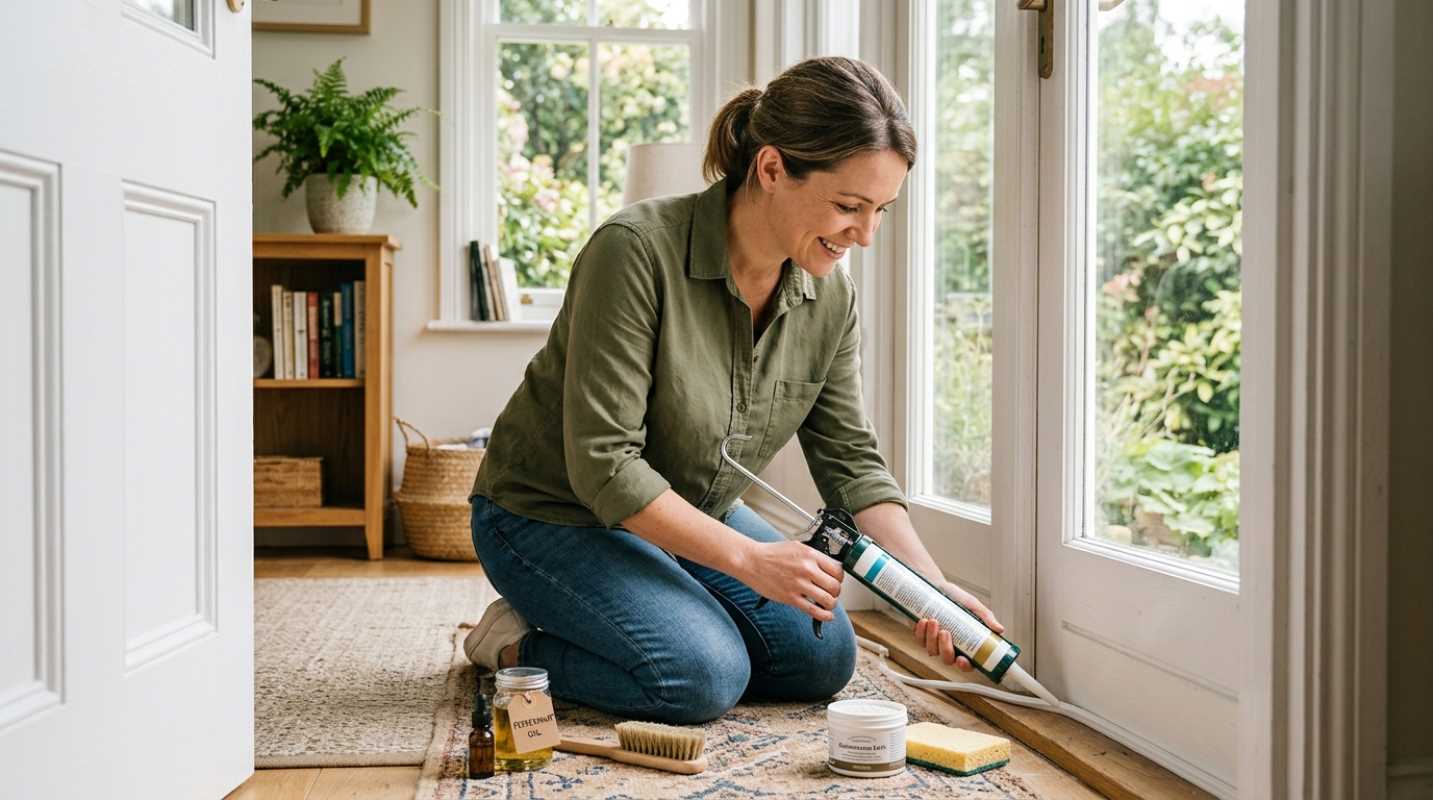
• Apply security window film: Ground-floor windows are a popular secondary entry point. Installing an 8-mil to 12-mil clear polyester security film over the glass keeps shattered panes bonded together during an impact. This delays a smash-and-grab attempt by 30 to 60 seconds, which is usually more than enough time to scare an intruder away.
• Follow the 3-foot and 6-foot landscaping rule: Overgrown bushes give prowlers the perfect hiding spot. Trim your shrubs down to a maximum height of 3 feet around windows, and trim tree canopies up to at least 6 feet from the ground. This keeps sightlines open from the street and prevents anyone from lurking undetected.
• Secure sliding glass doors: Patio sliders can often be lifted right out of their tracks. Place a heavy wooden dowel or a sturdy metal bar in the bottom track, or install an aftermarket track lock to stop forced sliding.
Digital Safety and Cybersecurity at Home
Physical locks and deadbolts are only half the battle today. As our households fill with connected doorbells, smart locks, and voice assistants, physical security and digital security have officially merged. The global smart home safety market crossed $34 billion in 2025, and about 49 percent of homeowners now install their own security hardware.²¹ That convenience brings great benefits, but it also creates digital doorways into your home that require protection.
• Isolate your smart devices: Never put your smart cameras, plugs, and appliances on the same Wi-Fi network as your personal computers and phones. Most modern routers allow you to create a dedicated Guest Network. Put all your smart gadgets on that separate network. If a cheap camera gets hacked, the attacker cannot reach your work laptop or banking data.
• Turn off risky router protocols: Log into your home router admin panel and disable Universal Plug and Play (UPnP) as well as Wi-Fi Protected Setup (WPS). These legacy features are well-known entry points that automated bots use to scan for vulnerable home networks.
• Protect against wireless jamming: Tech-savvy burglary crews sometimes carry cheap signal jammers that drown out 2.4 GHz Wi-Fi, blinding battery-powered cameras and video doorbells. To combat this, choose security cameras that support local on-device recording via microSD cards, or use hardwired Ethernet connections for your most important outdoor angles.
• Enforce multi-factor authentication: Always turn on two-factor authentication for your security apps, baby monitors, and smart locks. Stick to app-based authenticators like Google Authenticator or 1Password rather than SMS text codes, which can be intercepted.
Building a Culture of Vigilance
The best deadbolts and the smartest cameras in the world cannot protect your home if your front door stays unlocked or your family forgets to turn the alarm on. Security is ultimately a set of daily habits.
Start by creating a simple nightly routine. Assign family members specific roles, like making sure the garage door is down, patio doors are latched, and exterior floodlights are active. Walk through basic emergency plans together so everyone knows two ways out of every room in case of a fire or a home intrusion.
Community connection is another powerful deterrent. Get to know the people living on your street. When neighbors know each other, they notice unfamiliar vehicles idling in driveways, strange activity by side gates, or packages sitting unattended on front porches. A quick text message between neighbors often stops suspicious behavior long before an alarm ever sounds.
Investing in Your Future Peace
Securing your home is not an all-or-nothing project. You do not need to install every sensor, camera, and reinforcement piece by tomorrow afternoon.
Pick one small project to tackle this weekend. Head down to the local hardware store for a pack of three-inch screws, log into your router to set up a separate guest network for your cameras, or trim back that overgrown bush near your porch. Each small improvement adds another protective barrier around your living space. When you take control of your environment, you give yourself the greatest home improvement of all: the comfort of knowing you and your loved ones are safe.
Sources:
1. Smart Home Safety Market Report
https://nchstats.com/smart-home-safety-market/
2. Home Security Industry Annual Report
https://www.safehome.org/resources/home-security-industry-annual/
3. Burglary Statistics and Trends
https://www.safehome.org/resources/burglary-statistics/