 (Image source: Gemini)
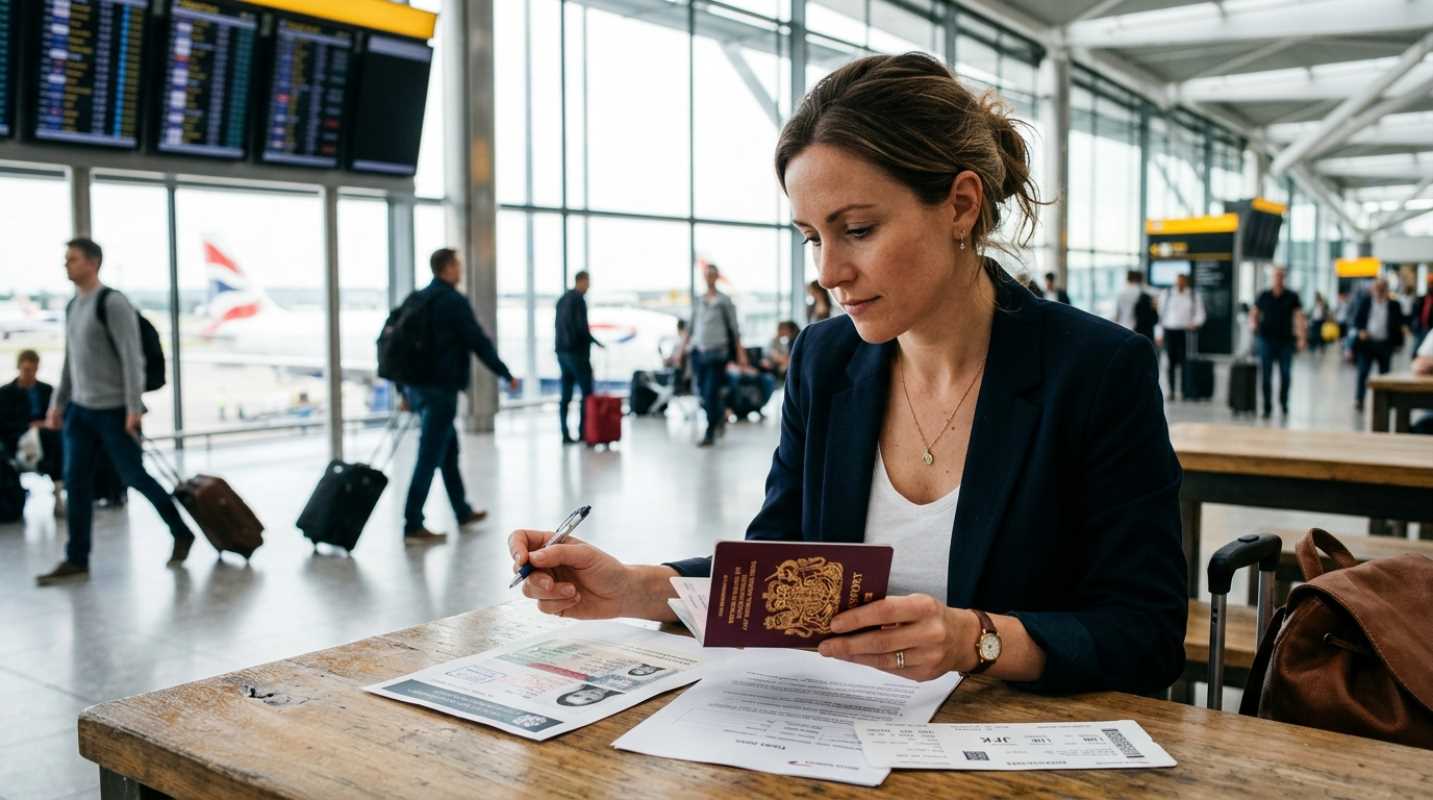
 You know the feeling. You return from a week-long vacation only to realize you need another week just to recover from the trip itself. We’ve all been there, sprinting through airports and checking off landmarks like they’re chores on a grocery list. By the time you’re back at your desk, your brain feels like a browser with fifty tabs open, and none of them are loading.
In 2026, we’re finally admitting that this isn’t working. Mental recovery in our era of digital fatigue and high-pressure work requires more than just a change of scenery. It requires a neurological reset. Slow travel has shifted from a niche trend to a necessary approach for anyone facing burnout. It’s a deliberate choice to prioritize your nervous system over your Instagram feed.
The goal isn't just to see a new place. It’s to use pacing as a tool for deep psychological restoration. When you slow down, you give your brain the space to move from a state of constant problem-solving to a state of presence.
Establishing Anchor Days and Deep Immersion
One of the most effective ways to lower your cognitive load is to stop moving so much. Traditional tourism thrives on destination hopping, but every time you change hotels or cities, your brain has to work overtime to map out new surroundings and logistics. This transition stress eats up the energy you’re supposed to be recovering.
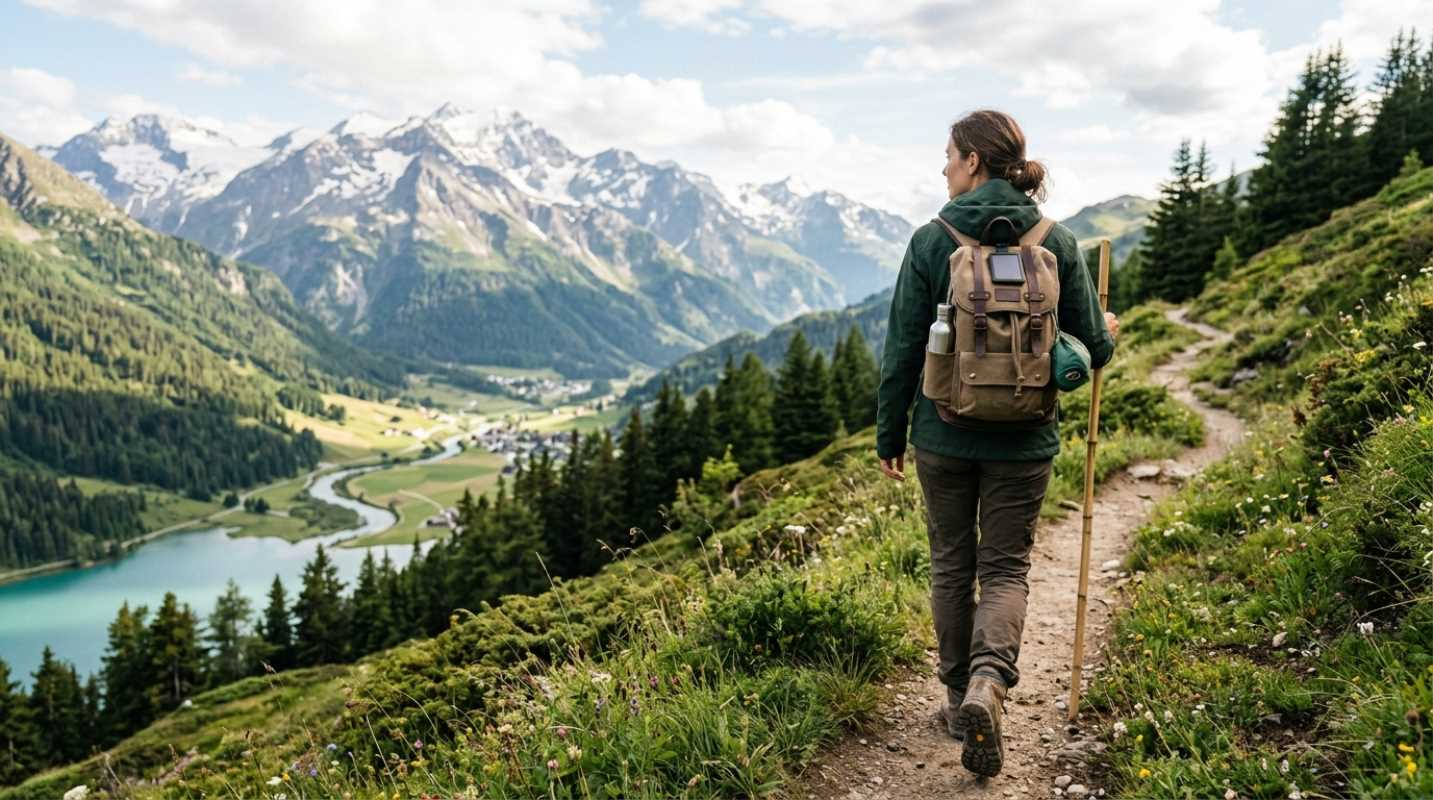
The "Anchor Point" approach is a simple fix. Instead of a frantic multi-city tour, you commit to spending at least three or four nights in a single location. This allows you to develop a routine, find a favorite coffee spot, and stop relying on GPS for every single turn. You’re not just a visitor anymore; you’re a temporary resident.
To make this work, try the one-activity rule. Pick one "anchor" for the day, maybe a specific local market or a museum you’ve always wanted to see. Everything else stays unstructured. This leaves room for the spontaneous discoveries that actually make travel feel transformative. When you aren't rushing to a 2:00 PM reservation, you’re free to follow a side street or sit on a park bench for an hour just because the light looks nice.
Integrating Digital Detox and Aware Presence
It’s impossible to recover mentally if your phone is still tethered to your office or your social circle back home. Constant connectivity is the enemy of rest. In fact, 64% of travelers in 2026 are specifically looking for destinations that help them disconnect.¹ The mental exhaustion we feel often comes from the "always-on" nature of modern life, and travel is the perfect time to break that cycle.
Setting intentional digital boundaries doesn't mean you have to throw your phone in the ocean. It means creating "no-phone" zones or hours. Maybe you leave the device in the hotel safe during your morning walk. Or perhaps you decide that dinner is a screen-free experience.
When you remove the screen, you’re forced to engage your senses. You start noticing the smell of the bakery down the street, the texture of the stone walls, or the specific sound of the local dialect. This sensory engagement triggers the parasympathetic nervous system, the "rest-and-digest" mode that counteracts the fight-or-flight state of a high-stress job.
The Power of Unscheduled Time and the Art of Doing Nothing
We often suffer from a fear of missing out (FOMO), which drives us to over-schedule. We feel guilty if we’re in a beautiful city and we’re just... sitting there. But for true mental recovery, boredom is actually a feature, not a bug. Your brain needs empty blocks of time to process experiences and consolidate memories.
If you’re prone to "time blindness" or you’re a high-achiever who can’t stop planning, try the 50% buffer rule. Take whatever time you think an activity will take and add 50% more.² This prevents the "rush-stress" cycle that happens when a train is late or a tour runs over. It builds in the permission to be slow.
Allocating "buffer days" is also key. Think of these as empty containers. You might use them to sleep in, or you might use them for a spontaneous hike. The point is that the choice is yours in the moment, not something you decided three months ago while sitting in a cubicle. Expert psychologists note that this sense of autonomy is a huge factor in reducing cortisol levels.
Sustainable Movement and Realistic Itineraries
There’s a big difference between being physically tired from a long walk and being mentally fatigued from a chaotic schedule. To recover properly, you have to manage both. If you spend one day hiking or exploring a massive city on foot, the next day should be low-energy. This alternating rhythm keeps you from hitting a wall halfway through your trip.
One of the biggest mistakes travelers make is trying to sightsee immediately after a long-haul flight. In 2026, many experts recommend the "Lost Day" protocol. You treat your travel days as work days. You don't expect yourself to be "on" or to see anything meaningful. You focus on hydration, light movement, and sleep. This prevents the initial spike in stress hormones that can ruin the first few days of a vacation.
Recent research from Edith Cowan University has even found that this kind of leisurely, positive travel can slow down the aging process.³ By reducing the "entropy" or gradual decline of the body caused by chronic stress, slow travel acts as a physical healing tool. It’s not just a break; it’s a way to boost your immune system and reset your biological clock.
Top Recommendations
So how do you know if your slow-travel approach actually worked? It isn't about how many photos you have or how many countries you checked off. It’s about how you feel when you get home. Do you feel a sense of "re-entry shock," or do you feel equipped to handle your daily life again?
Genuine recovery shows up in small ways. You might find you’re less reactive to emails, or that your focus is sharper. You might notice that the "mental fog" you’ve been carrying for months has finally lifted. Slow travelers report 43% higher satisfaction with their trips because they’ve prioritized the quality of their experience over the quantity of their stops.
Next time you plan a getaway, try to resist the urge to build a "perfect" itinerary. Leave the gaps. Stay in one place long enough to learn the name of the person who sells you bread. Give yourself permission to do absolutely nothing for a whole afternoon. Your brain will thank you for it.
Sources:
1. Slow Travel Alliance 2025 Report
https://slowtravelalliance.com/2025-report
2. AAA Tips for Neurodivergent Travelers
https://cluballiance.aaa.com/the-extra-mile/advice/travel/tips-for-neurodivergent-travelers
3. Journal of Travel Research, Edith Cowan University Study
https://www.foxnews.com/travel/new-study-suggests-travel-delay-aging-improve-physical-mental-health
This article is for informational and educational purposes only. Readers are encouraged to consult qualified professionals and verify details with official sources before making decisions. This content does not constitute professional advice.