 (Image via
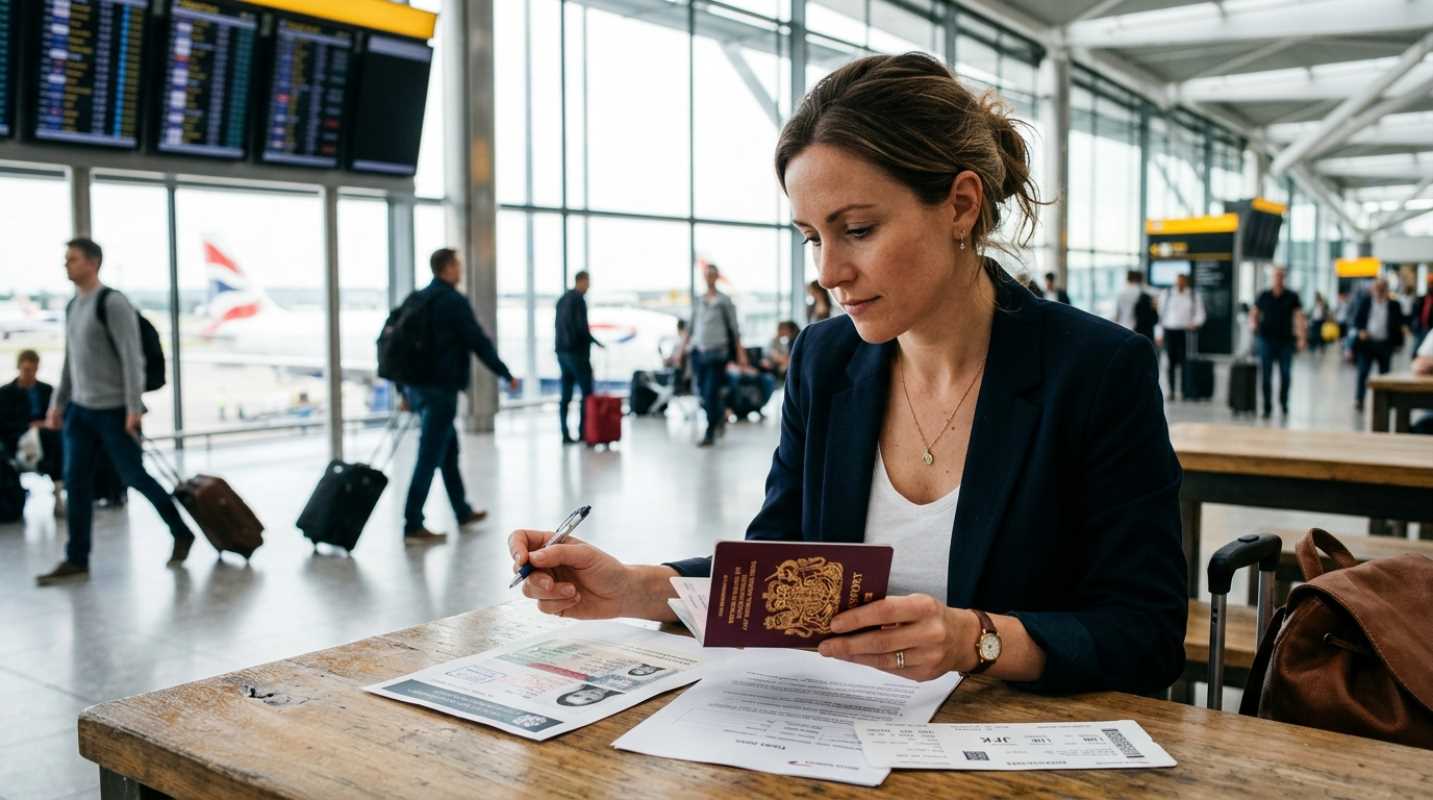
Have you ever stepped off a long flight, walked up to an airport currency kiosk, and felt a sinking feeling after looking at the receipt? You are not alone. Most travelers know that converting money costs something, but few realize just how much cash they leave on the table.
Convenience is expensive. Airport booths, traditional bank branches, and foreign card machines quietly make billions each year off unsuspecting travelers. They do this by stacking exchange rate markups, out-of-network fees, and foreign transaction penalties on top of your daily spending.
Exchange rates matter a lot more than you might think. On an average $3,000 vacation, falling into common currency traps can easily cost you $120 to over $200 in junk fees.¹ That is money you could spend on a fantastic dinner, a guided tour, or your next flight.
Building smart financial travel habits does not require a degree in economics. With a few simple shifts in how you convert and spend your money, you can keep your funds where they belong: in your pocket.
The Battle of the Rates App vs Bank Comparison
When you need foreign cash, your first instinct might be to walk into your local bank branch before your trip. Although that feels safe and familiar, it comes at a steep price.
Traditional high-street banks typically add a 5% to 10% markup to the exchange rate when you order paper currency. On top of that, if you swipe your standard home debit card overseas, your bank probably tacks on a 3% foreign transaction fee to every single coffee, meal, and train ticket.
Digital fintech apps have flipped this model on its head. Apps like Wise and Revolut let you hold multiple currencies in one digital account and spend abroad using the real mid-market rate. That is the interbank rate you see on Google or financial news sites, without the hidden markup. Instead of pocketing a fat spread, these platforms charge a transparent fee that usually sits between 0.3% and 1.0%.
Each fintech app comes with its own quirks
• Wise: This platform applies the true mid-market rate 24 hours a day, 7 days a week, charging a small, upfront fee (typically 0.4% to 0.7% on major currency pairs).² It is straightforward, reliable, and predictable.
• Revolut: You get fee-free currency exchange during weekday market hours up to plan limits. But Revolut adds a 1.0% markup on weekends when global currency markets close.² If you swipe your card on a Saturday in Rome, you pay a little extra.
• Cash withdrawal limits: Although fintech apps are brilliant for everyday card swipes, they usually cap free international ATM withdrawals at $100 to $250 per month. Exceed that limit, and you will run into a 2% fee.
Fintech platforms offer solid digital security, including instant card freezing and virtual burner cards for online bookings. For everyday spending, they easily beat traditional retail banks on price and flexibility.
Mastering the Timing Approach
Currency values move constantly based on interest rates, inflation, and global news. Although you should never try to day-trade your vacation budget, paying attention to timing can save you serious cash.
First, stay far away from airport exchange booths and hotel front desks. These spots know you are in a pinch, so they hit you with exchange rate markups between 10% and 20%. Exchanging $500 at an airport counter can instantly wipe out $50 to $100 of your spending power.
A much better approach is watching the exchange rate in the months leading up to your trip. If you notice your home currency is performing unusually well against your destination currency, you can convert money in advance inside an app like Wise or Revolut. This locks in the favorable rate immediately, protecting your travel budget from sudden market drops closer to your departure date.
Fee Avoidance: Keeping More Cash in Your Pocket
Banks and exchange counters love slick marketing. Learning to spot their favorite tricks will save you a small fortune.
Watch out for zero-commission signs. A booth shouting "0% Commission" is not offering free service. They simply build their profit into an inflated exchange rate. If the real exchange rate is 1.10 and they offer you 0.95, they are taking a massive cut while claiming to charge zero fees.
Another trap is Dynamic Currency Conversion, or DCC. When you tap your card at a restaurant or enter a foreign ATM, the screen will often ask: "Would you like to be charged in your home currency (USD) or local currency (EUR/JPY/GBP)?"
It sounds helpful, but choosing your home currency gives the local merchant terminal permission to choose the conversion rate. That simple button press can trigger an extra markup of 4% to 18% on your bill.³
• The golden rule: Always choose to be billed in the local currency of the country you are visiting. Let your own card issuer handle the conversion at wholesale network rates.
When you need physical cash, skip independent tourist ATMs found in convenience stores, train stations, and tourist plazas. Networks like Euronet often tack on $5 to $10 usage fees and push aggressive DCC prompts. Instead, look for an official ATM physically attached to a major local bank branch during regular business hours.
To eliminate fees entirely, set up a layered travel wallet before you leave home. Splitting your spending across the right financial tools gives you maximum protection and the lowest possible costs.
• Tier 1 (Primary Spending): Use a travel credit card with zero foreign transaction fees for 80% to 90% of your purchases. You will get wholesale card network rates, solid purchase protection, and travel reward points.
• Tier 2 (Cash Withdrawals): Carry an investor checking debit card from institutions like Charles Schwab or Fidelity. These cards charge 0% foreign transaction fees and offer unlimited ATM fee reimbursements worldwide.
• Tier 3 (Backup and Splitting): Keep a funded fintech card like Wise or Revolut in your wallet. It is a handy tool for pre-locking currency and splitting group expenses with travel buddies.
Pro Tips for Seamless International Spending
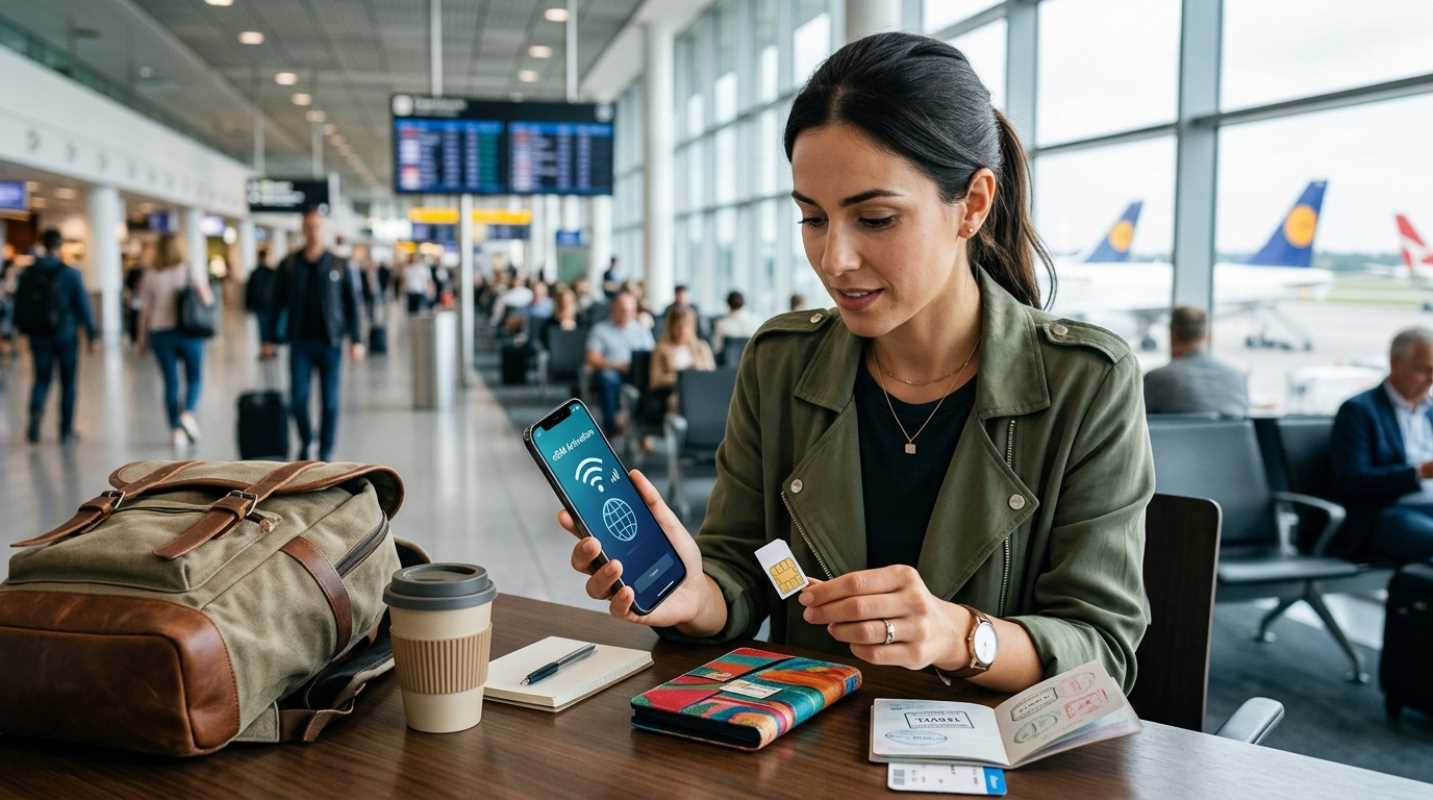
A little preparation before boarding your flight makes sure you never get stuck without working payment methods
• Audit your cards: Check the terms on all your credit and debit cards. If your favorite daily card charges a 3% foreign transaction fee, leave it at home and pick a card designed for travel.
• Separate your backups: Never carry all your cards in one place. Keep your primary credit card in your pocket, and store your backup debit card and extra cash inside your hotel room safe or a zipped pocket in your daypack.
• Notify your bank: Although many modern banking apps no longer require travel notices, checking your app settings prevents unexpected fraud blocks while trying to pay for dinner abroad.
• Carry emergency paper cash: Keep $50 to $100 in clean, undamaged banknotes from your home country tucked away. If an ATM network goes down or a card gets misplaced, you can exchange those crisp bills anywhere in the world.
Smart currency exchange is all about avoiding unforced errors. By dodging airport kiosks, saying no to DCC screens, and packing the right cards, you will make every dollar go much further on your next adventure.
Sources:
1. Foreign Transaction Fees: What Travelers Need to Know
https://valueinvestorinsight.com/first-dry/Foreign-Transaction-Fees-What-Travelers-Need-to-Know-About-Costs-and-Avoidance-Approaches-44-3889
2. Revolut vs Wise Comparison
https://wise.com/us/blog/revolut-vs-wise
3. DCC Fee Interest and Merchant Conversion
https://fxcintel.com/research/analysis/dcc-fee-interest
*This article on ModernLifestyle is for informational and educational purposes only. Readers are encouraged to consult qualified professionals and verify details with official sources before making decisions. This content does not constitute professional advice.*