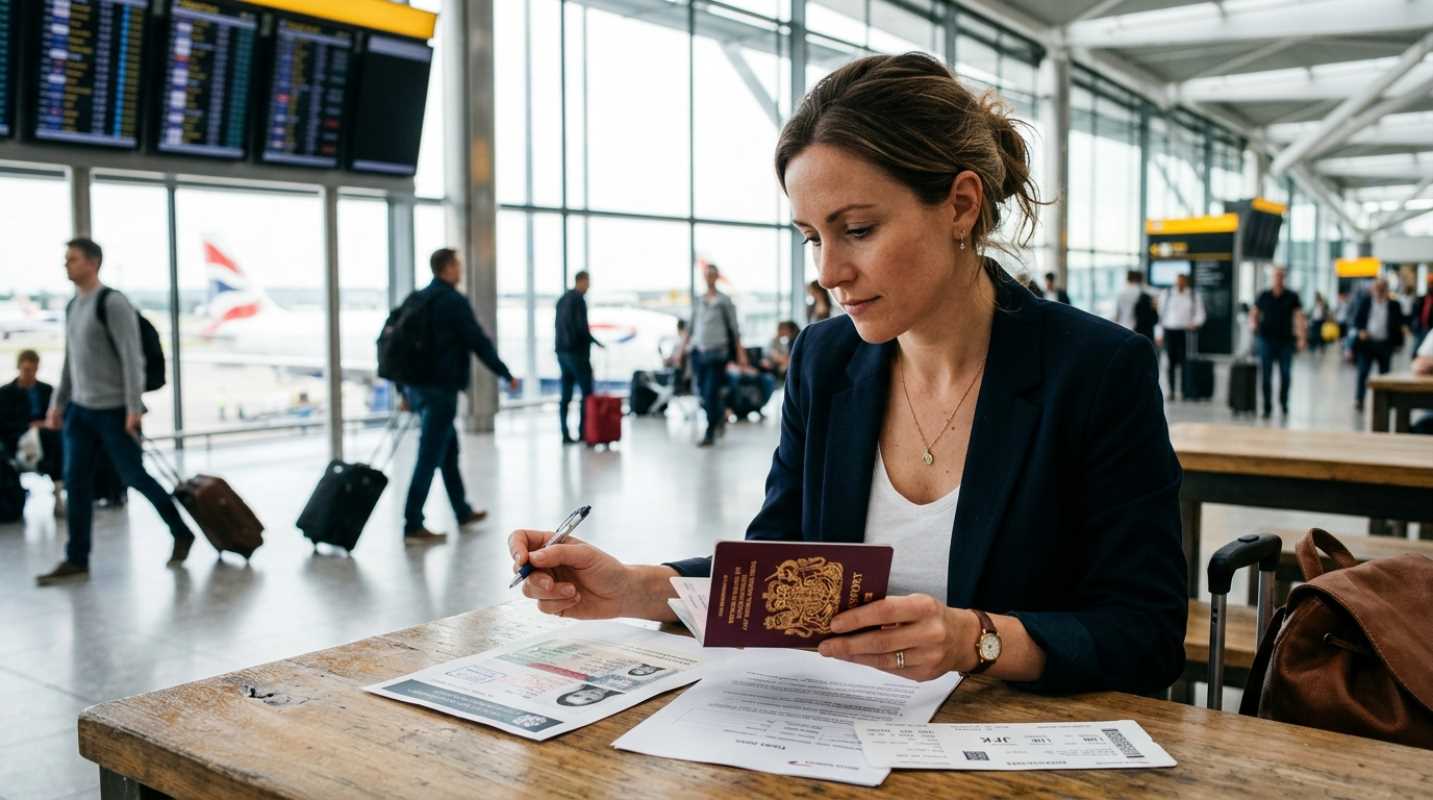
Ever walked off a fourteen-hour flight feeling like you just went twelve rounds in a boxing ring? You have a pounding headache, sandpaper eyes, tight muscles, and legs that feel like lead. Long-distance air travel takes a real physical toll. Between desert-dry cabin air, low barometric pressure, and hours of immobility in a tight seat, it is easy to see why so many travelers arrive completely drained.
Flying across continents does not have to be a miserable ordeal. With the right approach and proactive preparation, you can protect your body, protect your sleep, and land ready to explore.
Pre-Flight Preparation for Real Comfort
A smooth journey begins days before you pack your bags. Making smart choices during the booking phase will dramatically cut down on physical strain.
Whenever possible, book your trip on modern composite aircraft like the Boeing 787 Dreamliner or the Airbus A350.¹ These newer planes maintain cabin pressurization equivalent to 6,000 feet instead of the traditional 8,000 feet found on older aluminum aircraft. This higher pressure keeps your blood oxygen levels closer to normal, which reduces headaches, nausea, and post-flight fatigue. Their advanced filtration systems also maintain cabin humidity around 15% to 25%, sparing your eyes and nose from the harsh dryness of standard cabins.
Seat selection is your next tactical choice. Think about your personal travel style
• Aisle seats: These give you quick access to the aisle so you can stand, stretch, and visit the restroom without climbing over seatmates.
• Window seats: Ideal for resting because you can lean against the cabin wall and control the window shade without disturbances.
• Exit rows: Perfect for taller passengers seeking extra knee clearance, though seat cushions can be slightly firmer.
As soon as you step on the plane, adjust your watch and phone to the local time at your destination. Shifting your mental clock immediately stops you from thinking about what time it is back home, which kickstarts your psychological adjustment.
Packing the right gear in your personal item turns a chaotic flight into a relaxing cruise.
Needed Comfort Hacks for Your Seat
Economy seats are notoriously unforgiving, but small adjustments make a huge difference over ten or twelve hours.
Traditional U-shaped inflatable pillows often push your head forward, creating neck strain and shoulder stiffness. Look for structured neck supports or wraparound travel cushions that keep your cervical spine aligned and prevent your chin from dropping while you sleep. If your seat lacks lower back support, roll up a jacket or small blanket and tuck it into the lumbar curve of your back.
Cabin temperatures frequently fluctuate between freezing on the tarmac and uncomfortably warm during cruising altitude. Dress in loose, breathable layers made from natural fibers like merino wool, bamboo, or soft cotton. Layers allow you to adjust your temperature on the fly without having to dig through the overhead bin.
Standard airplane cabins hover between 10% and 20% relative humidity, which is drier than many deserts. Keep a small travel kit at your seat containing
• Preservative-free eye drops: These protect your eyes from burning and irritation, especially if you wear contact lenses.
• Saline nasal mist: A quick spray every few hours keeps mucous membranes moist and helps your immune system filter out airborne irritants.
• Rich barrier balm: Apply a hydrating moisturizer or petroleum-based ointment to your lips and face to prevent dry, flaky skin.
The Ultimate In-Flight Routine
Staying still for hours on end is hard on your vascular system. According to the Centers for Disease Control and Prevention, sitting immobile on flights lasting four hours or longer increases the risk of deep vein thrombosis and blood clots two to four times.²
Graduated compression socks with a rating of 15 to 30 mmHg provide gentle pressure that assists venous blood flow back up toward your heart. Put them on before boarding to prevent swelling in your calves and feet.
Combine compression socks with simple seated stretches every hour
• Seated calf raises: Place your feet flat on the floor, raise your heels as high as possible, hold for two seconds, and lower them. Repeat 15 times.
• Ankle rotations: Lift your feet off the floor and trace smooth circles in the air with your toes, alternating clockwise and counter-clockwise.
• Glute squeezes: Contract your gluteal muscles firmly for five seconds, then release. Repeat 10 times to keep blood moving through your hips.
Keep hydration steady throughout the flight. Aim to drink roughly eight ounces of water for every hour in the air. Stirring an electrolyte packet into your water bottle helps your cells retain fluids efficiently without overloading your bladder. Skip the complimentary wine and beer. Alcohol acts as a diuretic, dehydrates your tissues faster at high altitudes, and ruins your sleep quality by fragmenting deep sleep cycles.
Proactive Jet Lag Mitigation
Jet lag occurs when your master circadian clock, located in the hypothalamus, falls completely out of sync with local time cues like sunlight and meals.
Light is your primary tool for shifting circadian rhythms. When traveling eastward across multiple time zones, your body needs to advance its sleep cycle. Seek bright natural sunlight first thing in the morning at your destination, and put on dark sunglasses during the late afternoon to encourage natural melatonin production. When traveling westward, do the reverse by getting late afternoon light exposure to extend your waking hours.
Strategic fasting also helps reset your metabolic clock.³ Your digestive system maintains its own peripheral biological rhythms that react directly to food intake. Fasting during the flight and breaking your fast with a balanced, high-protein meal at the destination's regular morning hour signals your liver and metabolism that a brand new day has begun.
If you choose to use melatonin supplements, timing and dosage are everything. Clinical research suggests that microdoses between 0.5 mg and 3 mg taken near your target bedtime at the destination work best. Avoid mega-doses of 5 mg to 10 mg, which can cause morning grogginess and sleep inertia.
Landing Ready to Explore
Surviving a long-haul flight is about taking care of your baseline physiology from gate to gate. When you support your circulation, prioritize hydration, manage light exposure, and create a restful seat environment, you can step off the jet bridge ready for adventure instead of spending your first few days in a fog.
What is your absolute must-have item or routine for surviving long international flights? Share your favorite travel tips and let other travelers know what keeps you comfortable in the skies.
Sources:
1. Infinite Flight
https://community.infiniteflight.com/t/bye-bye-jetlag-boeing-and-airbus-say-the-787-and-a350-could-stop-symptoms/94939
2. Centers for Disease Control and Prevention
https://www.cdc.gov/yellow-book/hcp/travel-air-sea/deep-vein-thrombosis-and-pulmonary-embolism.html
3. Timeshifter
https://www.timeshifter.com/jet-lag/melatonin-for-jet-lag-type-dose-timing
*This article on ModernLifestyle is for informational and educational purposes only. Readers are encouraged to consult qualified professionals and verify details with official sources before making decisions. This content does not constitute professional advice.*