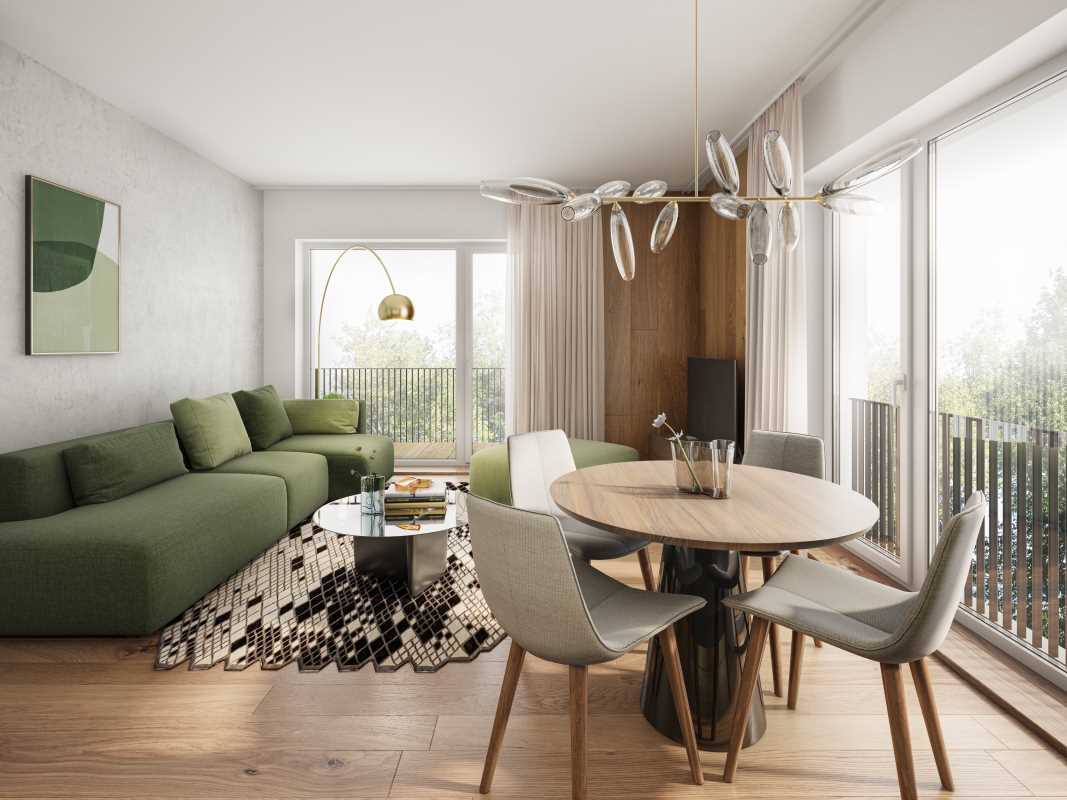
After a chaotic day, does your living room help you relax or add to your mental load? In 2026, home design is shifting from picture-perfect aesthetics to spaces that feel warm, calming, and designed to reduce stress.
Creating a Zen space is not about following rigid rules or buying a specific set of matching furniture. It is about creating an intentional, quiet atmosphere where your mind can finally rest.
Why Your Home Needs a Zen Sanctuary
Think about the amount of digital stimulation you process every day. Notifications buzz constantly, screens flash bright light, and work boundaries blur easily. When your home environment is equally loud, your brain never gets the signal that it is safe to unwind.
A Zen sanctuary gives you a dedicated baseline of calm. You do not need a spare room or an entire floor to make this happen. A cozy corner, an uncluttered bedroom wall, or a quiet reading nook can serve the exact same purpose.
When you set up an environment tailored for peace, you create a tangible buffer between the rush of the outside world and your personal well-being.
Embracing Minimalist Principles for Mental Clarity
Clutter in your physical space creates subconscious friction. Every pile of papers or tangle of cords asks your brain for a tiny bit of processing power. When you clear that away, your thoughts settle down naturally.
Traditional Japanese design relies on several core ideas that work wonders for modern homes
• Ma (Negative Space): This is the practice of honoring empty space rather than rushing to fill it. Leaving 30 to 40 percent of your walls and floors completely clear lets your eyes rest when you scan a room.
• Wabi-Sabi (Imperfect Beauty): Instead of mass-produced plastic and high-gloss finishes, lean into organic textures with natural flaws. Unglazed ceramics, weathered oak, and hand-woven textiles bring genuine warmth.
• Kanso (Simplicity): Focus on purposeful curation. Keep items that either serve a daily practical function or give you genuine joy, and tuck the rest away.
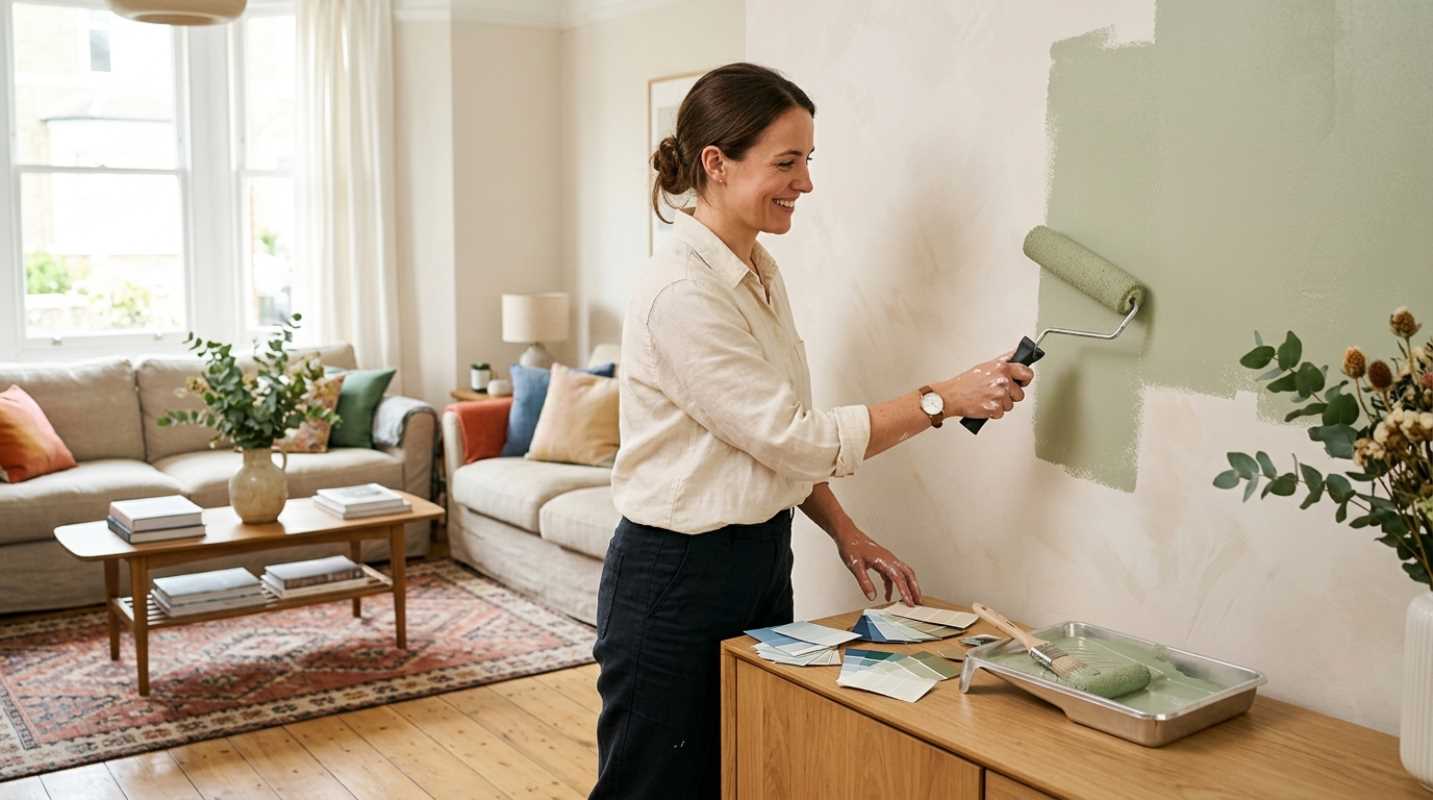
Ground the room with an earthy color palette. Swap stark clinical whites for warm alabaster, mushroom gray, soft taupe, or muted moss green. These shades mimic the tones found in a quiet forest, triggering an immediate calming response in your mind.
Creating Sensory Calm Beyond the Visual
Most decorating advice stops at what looks nice in photos. True relaxation happens when you engage all five senses through sensory interior design.¹
Lighting plays the biggest role here. Harsh overhead fixtures, often nicknamed "the big light," trigger daytime alertness and can spike stress at night. Turn them off once the sun goes down. Switch to layered, warm-temperature lighting between 2200K and 2700K using floor lamps, low sconces, and dimmable paper lanterns.
Next, pay attention to sound and texture
• Acoustic Comfort: Hard, empty surfaces cause echoes that make rooms feel chaotic. Add heavy linen curtains, a thick wool rug, or textured wall hangings to soften the acoustics of the room.
• Tactile Materials: Layer different textures to create depth without visual clutter. Combine slubbed linen, matte plaster finishes, and ribbed wood accents.
• Olfactory Grounding: Scent directly stimulates the brain's emotional center. Diffuse grounding, woody aromas like Hinoki cypress, cedarwood, sandalwood, or lavender to mark the room as a place of rest.
Small Space Adaptability for Any Square Footage
You do not need a sprawling house to build a tranquil retreat. Zen minimalism actually shines best in compact apartments and multi-purpose rooms.²
Start by lowering your furniture lines. Low-profile platform beds, floor cushions, and low credenzas increase the vertical distance between your furniture and the ceiling. This simple visual trick makes small rooms feel significantly taller and airier.
Here are three simple space-saving tactics to try
1. Follow the 60/40 Floor Rule: Aim to keep at least 40 percent of your visible floor space completely clear to avoid a cramped feeling.
2. Mount Storage Off the Floor: Floating nightstands and cantilevered desks show off uninterrupted flooring underneath, which tricks the brain into seeing a larger room.
3. Choose Curved Shapes: Round coffee tables and soft, curved chair backs eliminate harsh 90-degree corners, improving natural walking flow through tight pathways.
Bringing Nature Indoors
Bringing living natural elements into your living space creates a direct psychological bridge to the outdoors.³ Natural greenery cleans indoor air and provides a restful focal point during a busy day.
You do not need an indoor jungle to get the benefits. One or two carefully chosen statement plants create a cleaner, more intentional look than a dozen cluttered pots.
Great low-maintenance choices include
• Bonsai or Ficus: Adds an elegant architectural focal point to a low table or credenza.
• Cast Iron Plant: Thrives in lower light and requires very little watering.
• Snake Plant: Offers clean upright lines and handles neglected watering routines with ease.
• Natural Stones and Raw Wood: A smooth river rock placed on a tray or an unfinished cedar slab introduces grounding textures without adding maintenance chores.
Finding the right balance of soft lighting, natural textures, and low-profile furniture is the easiest way to bring this entire look together.
Daily Rituals to Maintain Your Haven
Designing your Zen space is only the starting point. The real magic happens in how you use and protect that environment each day.
Spend five minutes every evening resetting the room. Put throw blankets back in place, clear empty cups from side tables, and return stray items to their designated spots. When you wake up, you will meet a clean, peaceful room instead of yesterday's clutter.
Let your space change as your personal routines shift. Move a chair closer to a sunny window in the winter, or swap out your needed oils when the seasons change. By treating your room as a supportive living environment, you create a lasting daily sanctuary where you can recharge on your own terms.
Sources:
1. The Rise of Sensory Interior Design
https://navilize.com/blog/the-rise-of-sensory-interior-design/
2. Interior Design Trends With More Flow
https://www.smartcret.com/en/blogs/news/2025-interior-design-trends-with-more-flow-according-to-experts
3. 10 Easy Steps to a Zen Home Interior
https://wondrwood.com/blogs/diy-home-improvement/1-to-zen-10-easy-steps-to-a-zen-home-interior